What does fashion on a budget mean for Australian women?
Fashion on a budget is the practice of building a stylish, versatile wardrobe through intentional, value-focused spending rather than simply buying the cheapest items available. The industry term for this approach is “conscious wardrobe curation,” and it sits at the intersection of personal style, financial planning, and smart shopping. You are not sacrificing style. You are choosing it more deliberately. With 62% of Australians expecting tighter finances in 2026 planning to cut clothing spend, affordable style has moved from a niche habit to a mainstream priority. Indy Love exists precisely for this moment.
What does fashion on a budget actually comprise?
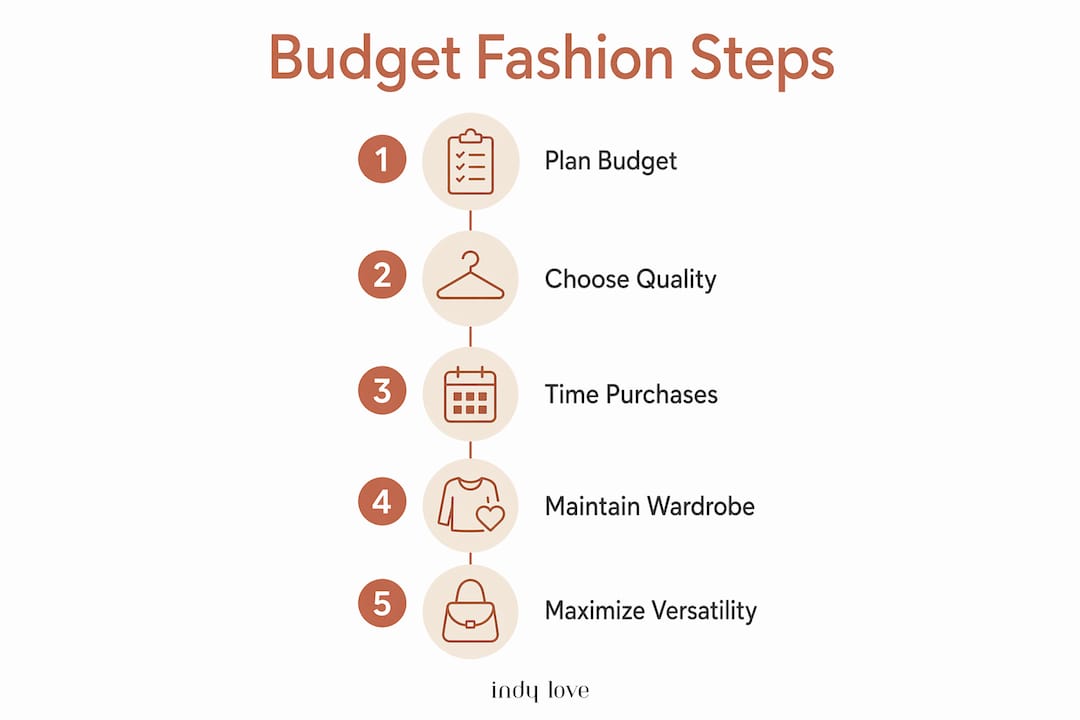
Budget fashion is defined by three core principles: quality over quantity, strategic timing, and wardrobe versatility. Get any one of these wrong and you spend more, not less.
Quality over quantity
The biggest misconception about dressing on a budget is that cheaper items save money. They do not. Higher overall fashion bills are directly linked to frequent purchases of cheap items, not high prices per piece. Shoppers spending over $3,000 per year typically buy more low-cost items rather than fewer quality pieces. Switching to fewer, higher-quality purchases can reduce annual spending by 50–70%. That is the core logic of budget-friendly clothing done right.
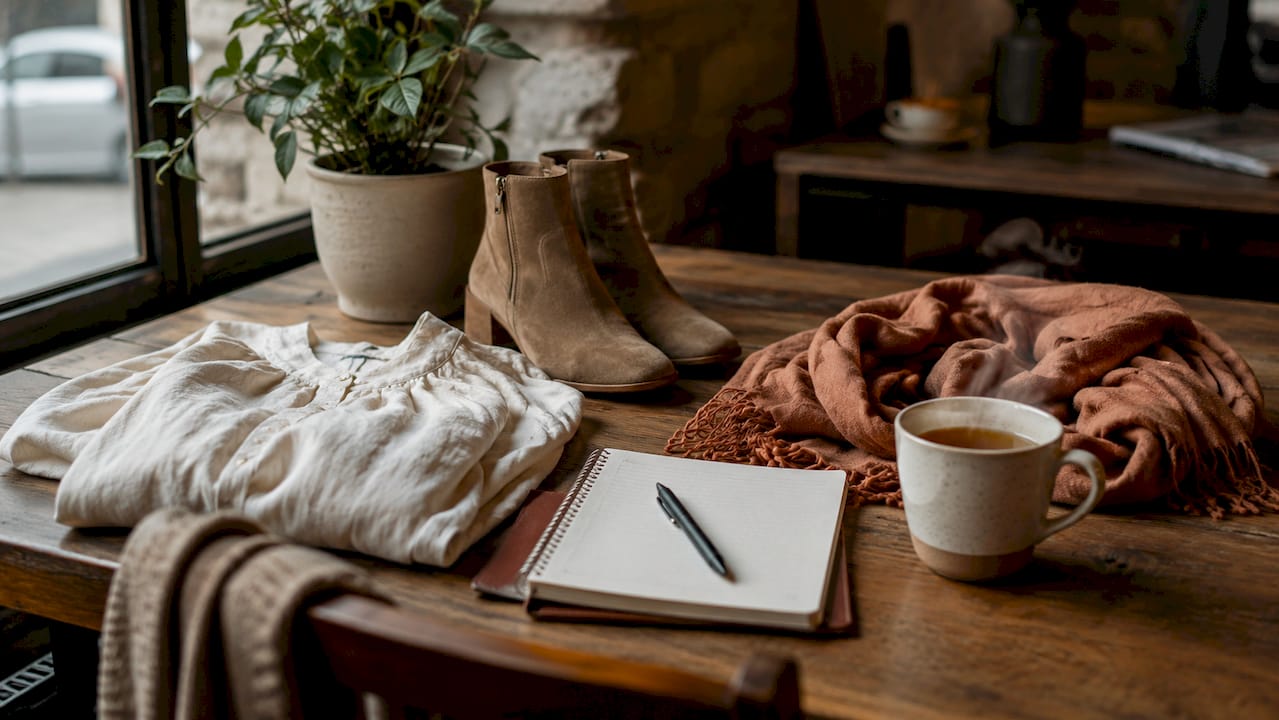
Quality pieces also deliver better cost-per-wear value. A $120 linen shirt worn 60 times costs $2 per wear. A $30 fast-fashion version worn 8 times before it pills costs $3.75 per wear. The maths consistently favours the better garment.
Timing your purchases
Major Australian sale periods, particularly EOFY in june and Boxing Day in december, deliver discounts of 30–50% on quality essentials. This is the most overlooked budget fashion strategy in Australia. Buying a $200 blazer at 40% off during EOFY costs $120 and performs exactly the same as the full-price version. Timing is not patience. It is planning.
Pro Tip: Set calendar reminders for EOFY (late june) and Boxing Day sales. Write your wardrobe wishlist in advance so you buy with intention, not impulse, when the discounts hit.
Versatility and capsule wardrobes
A capsule wardrobe is a curated set of pieces that mix and match across many outfits. Building a capsule wardrobe of 30 quality mid-range items costs between $1,200 and $2,500 initially, with annual upkeep of just $200–$400 thereafter. The break-even point arrives within 12 months for average spenders. After that, you spend dramatically less while wearing more outfit combinations. Versatility is the hidden multiplier in affordable style.
- Choose neutral base colours (white, black, navy, camel) that pair with everything
- Add 3–5 statement pieces per season to keep looks fresh
- Prioritise fabrics that hold their shape and colour after washing
- Invest in classic silhouettes that do not date quickly
How do Australian women manage their clothing budgets in 2026?
The average annual clothing spend for working Australian women sits at $2,400. Budget-conscious shoppers reduce this to $800–$1,200 annually without compromising quality. That potential saving of 50–66% comes from combining sale timing, cashback platforms, and a deliberate shift away from impulse buying. The gap between these two figures is not income. It is strategy.
| Budget category | Annual spend | Key approach |
|---|---|---|
| Average Australian woman | $2,400 | Mixed spending, frequent purchases |
| Budget-conscious shopper | $800–$1,200 | Sale timing, quality focus, capsule wardrobe |
| Capsule wardrobe upkeep | $200–$400 | Annual refresh of core pieces only |
Understanding where your money goes is the first step. Most women overspend on wardrobe maintenance, replacing worn-out cheap items repeatedly, rather than on discretionary style pieces. Shifting spend toward fewer, better items stops this cycle.
Cashback platforms and loyalty programmes add another layer of savings on top of sale discounts. Combining a 40% EOFY discount with a cashback offer on the same purchase compounds your savings without extra effort. You can read more practical approaches in this guide to affordable clothing online for Australian shoppers.
Financial planning for fashion works best when you split your annual budget into two pools. The first covers wardrobe maintenance, replacing worn staples like basics, underwear, and shoes. The second covers discretionary style, the trendy pieces and seasonal updates that keep your wardrobe feeling current. Keeping these separate stops maintenance costs from eating into your style budget.
What is the “frugal chic” approach and why does it matter?
“Frugal chic” is a cultural and aesthetic movement that reframes thriftiness as aspirational rather than restrictive. It is not about buying the cheapest option. It is about buying the right option, once.
“The ‘frugal chic’ aesthetic prioritises quality, intention, and sustainability, encouraging consumers to invest in pieces that last long and form a ‘forever wardrobe.’ It blends luxury, thrift, and slow fashion principles for mindful clothing consumption.”
The philosophy behind frugal chic is simple: buy it nice or buy it twice. A poorly made dress that falls apart after three wears costs more in the long run than a well-constructed piece bought at a higher price point. This thinking aligns directly with slow fashion, which advocates for fewer, better purchases and a conscious rejection of disposable clothing culture.
Frugal chic also connects to sustainability. Consumers in 2026 expect transparency, quality, and longevity from brands, with less brand loyalty in favour of value and purpose-driven purchasing. This shift means shoppers are actively choosing brands that deliver lasting quality over those offering cheap novelty.
The frugal chic approach works best when you follow a clear framework:
- Audit your wardrobe first. Identify what you actually wear versus what sits untouched. Most women wear 20% of their wardrobe 80% of the time.
- Define your personal style. Knowing your aesthetic stops impulse purchases that do not fit your existing wardrobe.
- Research before you buy. Check fabric composition, brand reputation, and return policies before committing.
- Calculate cost-per-wear. Divide the price by the number of times you expect to wear it. Anything under $5 per wear is generally a sound investment.
- Resist trend-chasing. Micro-trends cycle fast. Classic pieces with a modern twist outlast them every time.
The tension within frugal chic is real. Quality pieces cost more upfront, which creates a barrier for shoppers on tight budgets. The solution is patience and planning. Saving for one quality piece over two months beats buying three cheap versions that disappoint.
What practical budget fashion tips actually work?
Styling on a budget is a skill, and like any skill, it improves with practice. The styling hacks used by fashion editors consistently point to accessories as the highest-return investment in any wardrobe. A belt, a brooch, or a statement pair of earrings transforms a simple jeans-and-tee combination into a polished look without adding a new garment. Accessories are the budget shopper’s most powerful tool.
- Accessories first: Add a structured belt to a shirt dress, layer necklaces over a plain tee, or tie a silk scarf around your bag handle. Each addition creates a new outfit from existing pieces.
- Mix price points deliberately: Pair a quality investment piece (a well-cut blazer, a leather bag) with affordable basics. The quality anchor elevates everything around it.
- Shop your own wardrobe: Before buying anything new, style three new outfits from what you already own. This builds creativity and reduces impulse spending.
- Prioritise fit over brand: A well-fitting $60 dress looks more expensive than an ill-fitting $200 one. Tailoring a $40 thrift find costs $20 and produces a $60 garment that fits perfectly.
- Track cost-per-wear: Keep a simple note on your phone. Items that score under $5 per wear stay. Items that score over $20 per wear get reconsidered next season.
Pro Tip: Before any shopping trip, write down exactly what your wardrobe is missing. Stick to the list. Impulse buys are the single biggest budget-buster in fashion, and a written list is the simplest defence against them.
Mixing and matching is the practical engine of budget-friendly clothing. Ten core pieces in complementary colours can produce over 30 distinct outfits. A white shirt, dark jeans, a neutral blazer, a midi skirt, and a knit dress form the backbone of a wardrobe that works from casual outings to work meetings to weekend events. You can find seasonal inspiration in Indy Love’s summer fashion trends guide to see how current trends translate into versatile, wearable pieces.
Avoiding impulse buys requires a 48-hour rule. If you still want the item two days after seeing it, it is likely a considered purchase. If you have forgotten about it, it was impulse. This single habit saves most budget shoppers hundreds of dollars per year.
Key takeaways
Fashion on a budget means building a stylish wardrobe through quality choices, smart timing, and accessories rather than buying cheap items frequently.
| Point | Details |
|---|---|
| Quality beats quantity | Fewer, better pieces reduce annual spend by 50–70% compared to frequent cheap purchases. |
| Timing is a strategy | EOFY and Boxing Day sales deliver 30–50% discounts on quality essentials worth planning for. |
| Capsule wardrobes pay off | A 30-piece capsule costs $1,200–$2,500 upfront but drops annual upkeep to $200–$400. |
| Accessories multiply outfits | Belts, scarves, and jewellery refresh existing pieces without adding new garments. |
| Frugal chic is a mindset | Buying once with intention beats buying cheap repeatedly in both cost and style outcomes. |
Why I think most women are one mindset shift away from dressing brilliantly on any budget
The biggest mistake I see is treating budget fashion as a compromise. It is not. The women I know who dress most consistently well are almost never the ones spending the most. They are the ones who know exactly what they own, what they need, and what they will never wear again.
The data backs this up. Purchase frequency drives spending more than price per item. Reducing how often you shop, while increasing the quality of what you buy, cuts total fashion spend by over half. That is not a sacrifice. That is a better result with less effort.
The frugal chic movement gets this right. It redefines thriftiness as aspirational, aligning budget fashion with conscious spending values that feel genuinely modern. Buying less and wearing it more is not a financial limitation. It is a style statement.
My honest encouragement: start with your wardrobe, not a shopping cart. Know what you have. Wear it with confidence. Then buy one brilliant thing when the time and price are right. That is the whole philosophy, and it works every time.
— Helen
Chic pieces that work harder for your wardrobe
Indy Love is built for exactly this kind of shopping. Every piece in the collection is chosen for versatility, quality, and that effortless chic that makes getting dressed feel exciting rather than stressful.
The Alice Shirt Dress is a perfect example of a budget-conscious investment piece. It works dressed down with sandals for a weekend market, belted with mules for a lunch date, or layered under a blazer for a work event. One dress, multiple occasions, outstanding cost-per-wear. Indy Love offers free shipping on orders over $150 across Australia, so building your capsule wardrobe is as convenient as it is stylish. Shop the full collection and find the pieces that will work the hardest for you.
FAQ
What does fashion on a budget mean?
Fashion on a budget means building a stylish, versatile wardrobe through intentional, value-focused spending. It prioritises quality, timing, and accessories over buying cheap items frequently.
How much should an Australian woman spend on clothes per year?
The average Australian woman spends $2,400 annually on clothing, but budget-conscious shoppers reduce this to $800–$1,200 by using sale cycles, cashback, and a capsule wardrobe approach.
What is a capsule wardrobe and does it save money?
A capsule wardrobe is a curated set of 30 or so versatile, quality pieces that mix and match across many outfits. The initial cost of $1,200–$2,500 drops to $200–$400 in annual upkeep, making it cost-effective within 12 months.
What is “frugal chic” in fashion?
Frugal chic is a style philosophy that prioritises quality, intention, and sustainability over cheap, frequent purchases. The guiding principle is “buy it nice or buy it twice.”
What are the best budget fashion tips for Australian women?
The most effective tips are: shop EOFY and Boxing Day sales for 30–50% discounts, use accessories to refresh existing outfits, apply the 48-hour rule before any purchase, and calculate cost-per-wear to evaluate value.
Recommended
- Fashion Tip | Indylove Adelaide Women’s Fashion Boutique – Indy Love Boutique
- The Ultimate Guide to Affordable Clothing Online: Stay Stylish Without – Indy Love Boutique
- The Ultimate Guide to Boutique Ladies Dresses and Online Fashion Trend – Indy Love Boutique
- Top 10 Summer Fashion Trends in Australia – Indy Love Boutique