
What is casual street style: your 2026 guide
Casual street style is defined as self-expressive, relaxed urban fashion that prioritises comfort, balance, and individual flair over brand names or runway trends. The industry term for this broader category is “street style,” and the casual variant sits at its most accessible and democratic end. Unlike streetwear, which centres on community identity through logos and limited-edition drops, casual street style belongs to anyone with any budget and any body. It is built on personal curation, not brand allegiance. Whether you are mixing a vintage find with a new season piece or throwing a denim jacket over a simple tee, the goal is always the same: look intentional, feel comfortable, and express who you are.
What is casual street style and how does it work?
Casual street style is fashion that emerges from everyday people in urban settings, not from high-fashion runways or designer houses. That origin matters because it means the rules are yours to set. The aesthetic is built on balance: relaxed pieces offset by fitted ones, statement footwear grounding a simple top half, and accessories adding texture without overwhelming the look.
The styling formula that works consistently involves three elements working together. First, a relaxed or oversized base garment, such as a boxy tee, wide-leg trouser, or slouchy knit. Second, a fitted counterpart that creates proportional contrast, like slim-cut denim or a tucked singlet. Third, intentional footwear that ties the outfit together, whether that is a retro sneaker, chunky boot, or clean white trainer.
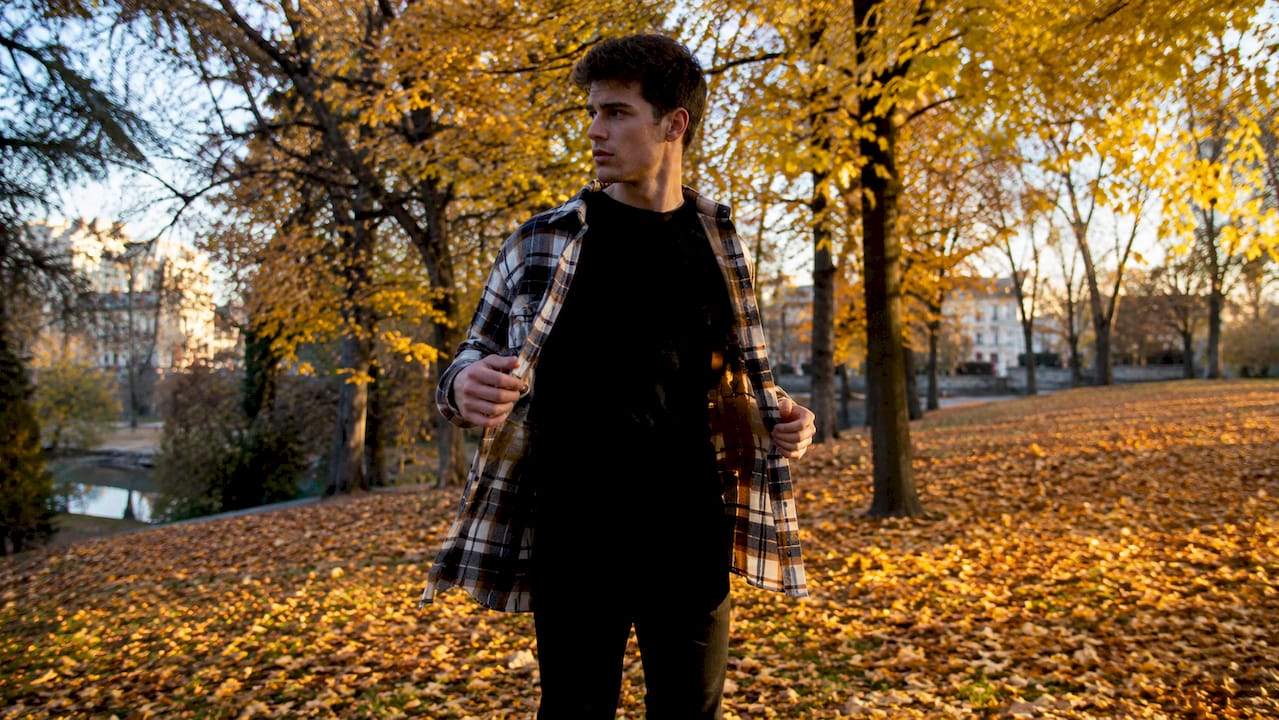
Accessories complete the picture. A cap, a cross-body bag, or a single layered necklace adds depth without effort. The key is restraint: choose one or two accessories that feel deliberate, not decorative.
The core garments to build from
- Boxy or oversized tees: The foundation of most casual street outfits. Wear them tucked half-in or fully out depending on the silhouette you want.
- Slim or straight-cut denim: The most reliable fitted counterpart to an oversized top. Dark wash reads more polished; light wash reads more relaxed.
- Retro or chunky sneakers: Footwear carries enormous visual weight in street style. A bold sneaker can make a simple outfit look considered.
- Layering pieces: Overshirts, lightweight jackets, and vests are the tools that elevate basics into curated looks.
- Cross-body or tote bags: Practical and stylish. They keep the look grounded in real life, which is exactly where street style lives.
Pro Tip: Add a third layer, such as an open overshirt or a vest, over your base outfit. This single addition transforms a two-piece basic into a styled, considered look with almost no extra effort.
How does casual street style differ from streetwear?
The two terms get used interchangeably, but they describe genuinely different things. Streetwear is a brand-centric subculture. It is built around community identity, logo-heavy garments, limited drops, and the cultural cachet of owning the right pieces. Think Supreme, Palace, or Off-White. The goal of streetwear is often belonging: wearing the right brand signals membership in a specific group.
Casual street style has a different goal entirely. It prioritises individuality and eclectic personal curation over brand recognition. A street style outfit might combine a thrifted blazer, a plain cotton tee, vintage Levi’s, and a pair of New Balance trainers. None of those pieces need a logo to work. The outfit works because of how they are put together, not what they cost or who made them.
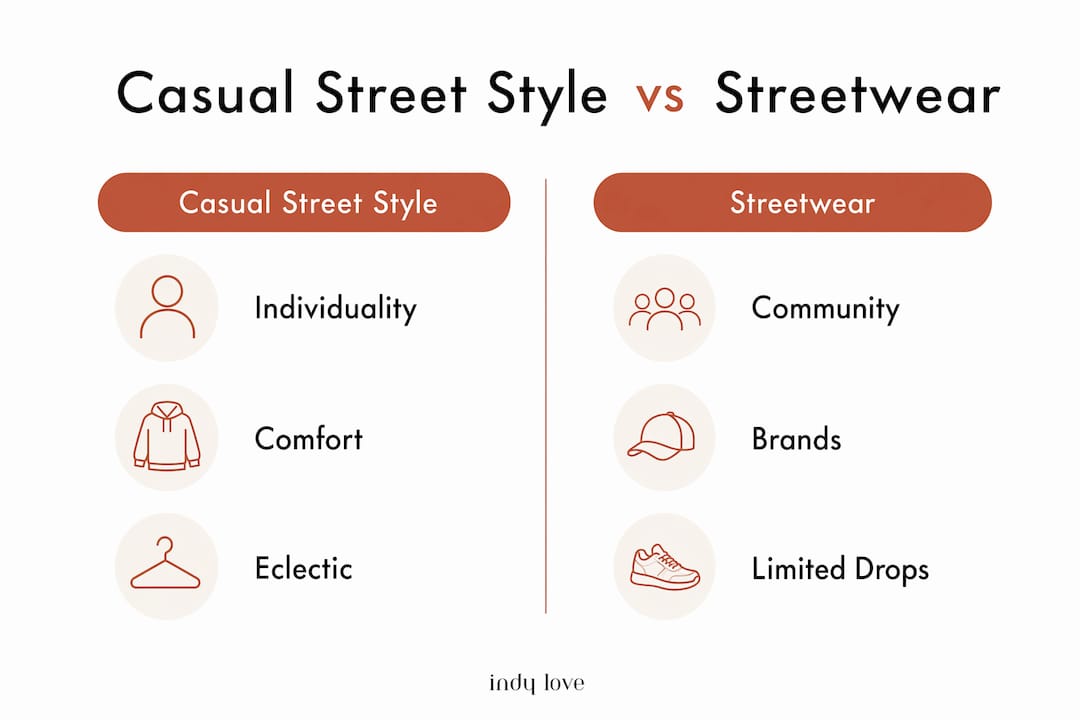
| Feature | Casual street style | Streetwear |
|---|---|---|
| Core goal | Individual self-expression | Community identity and belonging |
| Brand focus | Low to none | High, often logo-driven |
| Key garments | Mixed vintage, basics, and statement pieces | Limited-edition drops, branded hoodies, graphic tees |
| Budget | Accessible at any price point | Often premium or resale-priced |
| Cultural driver | Personal curation and creativity | Subculture membership and exclusivity |
The biggest misconception about street style is that it requires following trends. Experts emphasise individualism and authenticity as its true core. You do not need to buy into a drop cycle or track what is selling out. You need to know what you like and how to put it together with intention.
How has Australian casual street style evolved?
Australian casual street fashion has a distinct origin story. It grew out of 1980s surf and skate subcultures, where practicality and durability were non-negotiable. The local aesthetic favoured sturdy cotton fabrics suited to the climate, relaxed silhouettes that moved well, and an understated cool that never tried too hard. Brands like Mambo captured that spirit: irreverent, comfortable, and unmistakably Australian.
By the 2000s, global urban influences started blending with that local foundation. Hip-hop aesthetics, Japanese street fashion, and European minimalism all filtered into the Australian mix. The result was a street style culture that was genuinely eclectic, drawing from everywhere while staying grounded in local practicality. You can see this in the summer fashion trends that cycle through Australian cities each year: lightweight fabrics, relaxed cuts, and a preference for pieces that work across multiple settings.
The 2020s brought a significant shift toward conscious consumerism. Australian street style now integrates ethical production and sustainable materials as standard expectations, not premium add-ons. The shift reflects a broader cultural move toward quality over quantity. Buying fewer, better pieces that last longer is now as much a part of the aesthetic as the clothes themselves.
What makes Australian street style distinct
- Climate-first thinking: Lightweight, breathable fabrics are prioritised. Layering is functional as well as stylish, adapting to warm days and cool evenings.
- Understated confidence: The local aesthetic avoids loud branding and over-styling. The goal is to look effortlessly put-together, not performatively fashionable.
- Sustainability as standard: Ethical production and durable materials are now central to how Australian fashion enthusiasts shop and style.
- Cultural permission: Australian street style draws confidently from local suburban realities, surf culture, and global influences without needing to replicate any one of them exactly.
Practical casual street style tips for fashion enthusiasts
Getting casual street style right comes down to a few consistent principles. The good news is that none of them require a large wardrobe or a big budget. They require attention to proportion, a willingness to experiment, and confidence in your own taste.
-
Start with reliable staples. Build your base from pieces you already reach for: a well-fitted tee, your favourite denim, a clean pair of trainers. Street style works best when it starts from clothes you actually wear, not aspirational pieces you never touch.
-
Add one statement piece per outfit. A vintage blazer, a bold sneaker, or an oversized printed tee can anchor an entire look. Street style celebrates mixing vintage finds, handmade pieces, and contemporary basics. One strong piece does more than five mediocre ones.
-
Master proportional contrast. The art of proportion is the single most important skill in street style. Pair an oversized hoodie with sleek bike shorts. Wear a fitted crop top with baggy trousers. The contrast creates visual interest and makes the outfit look considered rather than accidental.
-
Layer with purpose. Add a jacket, overshirt, or vest as your third piece. This works in every season: a linen overshirt in summer, a denim jacket in autumn, a padded vest in winter. Layering adds depth and gives you flexibility across different environments throughout the day.
-
Choose footwear deliberately. Shoes carry more visual weight than most people realise. A chunky retro sneaker reads differently to a clean minimal trainer, even with the same outfit. Decide what mood you want the outfit to have, then choose your footwear to match it.
-
Mix price points without apology. A $15 op-shop tee worn with quality denim and a considered accessory looks better than a head-to-toe designer outfit with no personal edit. Street style rewards curation, not spending.
Pro Tip: Avoid the common pitfall of over-accessorising. Pick one focal accessory per outfit, whether that is a cap, a bag, or a layered necklace, and let it do the work. Too many accessories compete for attention and dilute the look.
Indy Love’s fashion tips blog is a great resource if you want to keep building your styling instincts with practical, locally relevant advice.
Key takeaways
Casual street style is the most accessible and personally expressive form of urban fashion, built on proportional contrast, intentional layering, and individual curation rather than brand loyalty.
| Point | Details |
|---|---|
| Core formula | Pair an oversized base with a fitted counterpart and deliberate footwear for a balanced look. |
| Layering is key | Adding a third piece, such as a jacket or overshirt, transforms basics into a styled outfit. |
| Street style vs streetwear | Street style prioritises individuality; streetwear prioritises brand identity and community belonging. |
| Australian distinctives | Local street style values climate-appropriate fabrics, understated confidence, and sustainable choices. |
| Budget is irrelevant | Curation and proportion matter more than price. Mix vintage, high street, and quality basics freely. |
Why casual street style is the most honest form of fashion
Street style has always fascinated me because it is the one area of fashion where the rules genuinely do not apply. I have watched trends come and go, seen micro-aesthetics rise and collapse within a single season, and the one thing that consistently looks good is someone who has dressed for themselves.
The Australian version of this has a particular quality I find compelling. There is a confidence in its understatement. It does not shout. It does not need to. A well-worn cotton tee, a great pair of jeans, and a sneaker with some history to it can communicate more personality than a full designer outfit ever could. That is not an accident. It comes from a culture that has always valued practicality and authenticity over performance.
What I think will define street style in the years ahead is sustainability. Not as a trend, but as a permanent shift in how fashion enthusiasts think about their wardrobes. Buying less, choosing better, and wearing things longer is already central to how the most interesting dressers I know approach their style. That ethos fits perfectly with what casual street style has always been: intentional, personal, and built to last.
My honest advice is to stop waiting until you have the “right” pieces. The best street style outfits are built from what you already own, edited with a clear eye and worn with confidence. That is the only formula that actually works.
— Helen
Chic, considered pieces for your street style wardrobe
Casual street style works best when your wardrobe includes versatile pieces that layer well and hold their shape across multiple wears. Indy Love curates exactly that kind of collection for Australian women: well-made, stylish garments that move between casual and dressed-up without effort.
The Alice Shirt Dress is a strong example. Wear it open as a layering piece over a fitted tee and slim denim, or belted as a standalone statement. The Moda Maxi Dress offers the same versatility in a longer silhouette, perfect for the relaxed, considered aesthetic that defines Australian street style. Indy Love ships fast across Australia, with free shipping on orders over $150. Browse the full women’s fashion collection and find the pieces that fit your edit.
FAQ
What is the street style definition in simple terms?
Street style is fashion created by everyday people in urban settings, prioritising personal expression over brand names or runway trends. It is inclusive, accessible at any budget, and driven by individual curation.
How do I wear street style without looking sloppy?
The key is proportional contrast: pair one oversized piece with one fitted piece, and choose your footwear deliberately. Adding a third layer, such as a jacket or overshirt, makes the outfit look intentional rather than casual by accident.
What are the best casual street outfits for Australian women?
A boxy tee with straight-cut denim and a retro sneaker is the most reliable starting point. Layer an overshirt or lightweight jacket over the top, and add a cross-body bag to complete the look with minimal effort.
Is casual street style the same as streetwear?
No. Streetwear is a brand-focused subculture built around logos, limited drops, and community identity. Casual street style prioritises individual expression and personal curation, with no requirement for specific brands or price points.
Can I build a street style wardrobe on a tight budget?
Absolutely. Street style rewards curation over spending. Op shops, markets, and high-street basics mixed with one or two quality pieces create stronger outfits than a wardrobe full of expensive items worn without intention.