What is fashion curation and why it matters
Fashion curation is the thoughtful selection, organisation, and presentation of fashion pieces to create compelling narratives that communicate cultural, social, and aesthetic significance. It is practised by museum curators at institutions like the Costume Institute at the Metropolitan Museum of Art, by fashion directors at houses such as Chanel and Prada, and by individuals building intentional personal wardrobes. The practice treats clothing as cultural artefacts rather than mere products. Understanding what fashion curation means gives you a sharper lens for every wardrobe decision you make.
What is fashion curation in exhibitions and museums?
Exhibition fashion curation uses spatial design and staging to communicate narratives through object arrangement and visitor experience. A curator does not simply hang garments on racks. Every layout decision, lighting choice, and display element is deliberate, guiding how a visitor feels and what they understand about a piece’s cultural weight.
The concept of narrative architecture sits at the heart of this practice. Narrative architecture plans the visitor’s emotional and interpretive journey through layout, lighting, mannequin styling, and interpretive media. At the Victoria and Albert Museum in London, for instance, a single Balenciaga coat placed under directional lighting with contextual wall text becomes a statement about post-war silhouette and social change. Without that curatorial framing, it is just a coat.
Technical precision matters just as much as storytelling. Fashion curators create custom mannequins to preserve historic garments’ integrity and intended silhouette in installations, fitting bespoke forms rather than altering garments to standard display bodies. This approach protects fragile textiles while honouring the designer’s original vision.
Key elements that define exhibition fashion curation include:
- Spatial sequencing: The order in which visitors encounter pieces shapes the story they absorb.
- Lighting design: Directional and coloured lighting controls mood and draws attention to specific details.
- Interpretive media: Video, audio, and text panels add layers of context that objects alone cannot provide.
- Custom display forms: Bespoke mannequins preserve garment structure without damaging historic fabrics.
- Thematic grouping: Pieces are clustered by era, designer, or concept rather than by chronology alone.
Pro Tip: Next time you visit a fashion exhibition, notice the order in which you encounter pieces. That sequence is a deliberate editorial decision, and reading it consciously will transform how you experience the show.
How does fashion curation apply to personal wardrobes?
Curated wardrobes focus on quality, identity, and intentional dress rather than volume or fast-trend chasing. This is the direct opposite of impulse buying or filling a wardrobe with whatever is on sale. A curated wardrobe has a point of view. Every piece earns its place by serving the wearer’s identity, lifestyle, and occasions.
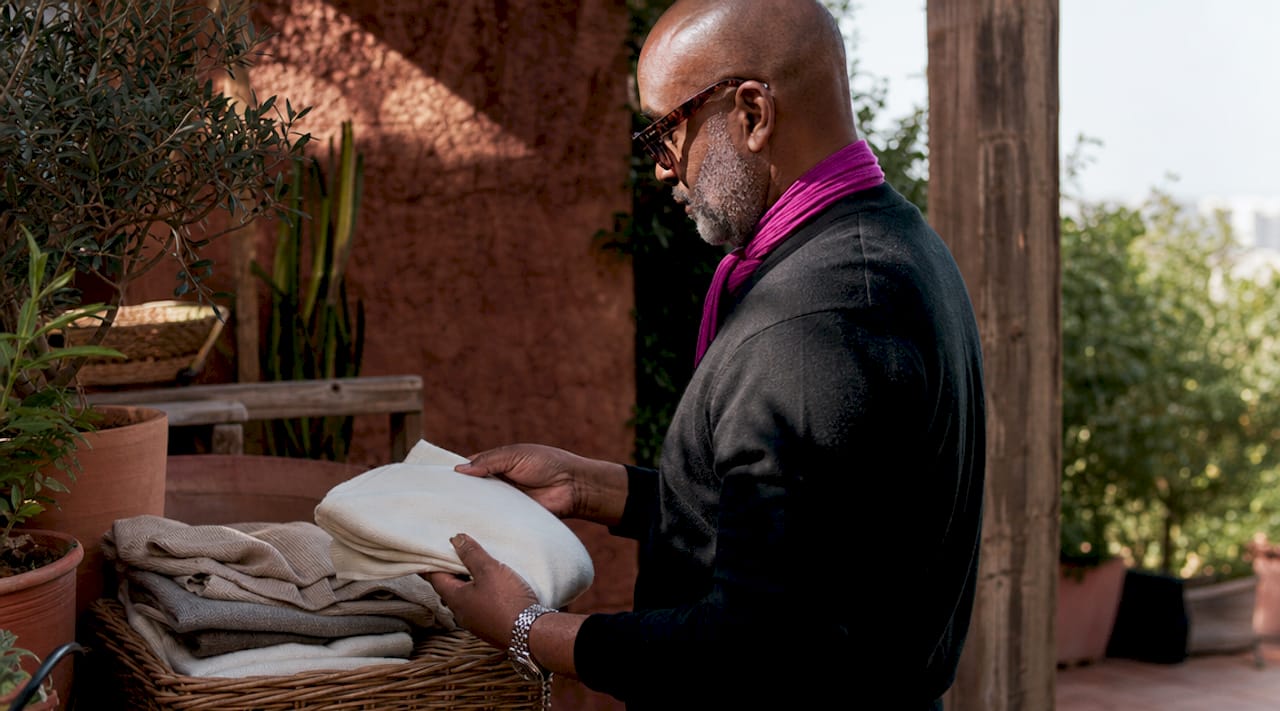
The concept of “collection logic” is the starting point most people skip. Effective personal wardrobe curation requires setting collection logic focused on identity, lifestyle, and occasion before you shop. Collection logic is essentially your wardrobe’s editorial brief. It answers questions like: What occasions do I dress for most? What colours and silhouettes feel like me? What pieces do I reach for on my best days?
Fashion directors apply this same thinking professionally. Roopal Patel, former fashion director at Saks Fifth Avenue, has described curating collections as building a theme or story from runway to customer selections, linking trends to coherence and personal fit. The same discipline that shapes a luxury department store floor can shape your own wardrobe.
Here is how to start curating your wardrobe with intention:
- Audit what you own. Pull everything out and identify the pieces you actually wear versus those you keep out of guilt or habit.
- Define your collection logic. Write down your three most common occasions, your preferred colour palette, and the silhouettes that make you feel confident.
- Identify the gaps. Cross-reference your collection logic against what you own. The gaps are your actual shopping list.
- Apply the exclusion rule. Before adding a new piece, ask whether it connects to at least two existing items. If it does not, it is a costume, not a wardrobe addition.
- Review seasonally. Curation is not a one-time event. Reassess every season and remove pieces that no longer serve your current identity or lifestyle.
Pro Tip: The exclusion rule is the single most powerful curation tool you have. Buying less but buying with purpose creates a wardrobe that feels personal and polished every time you open the door.
Fashion curation vs traditional retail merchandising: what sets it apart?
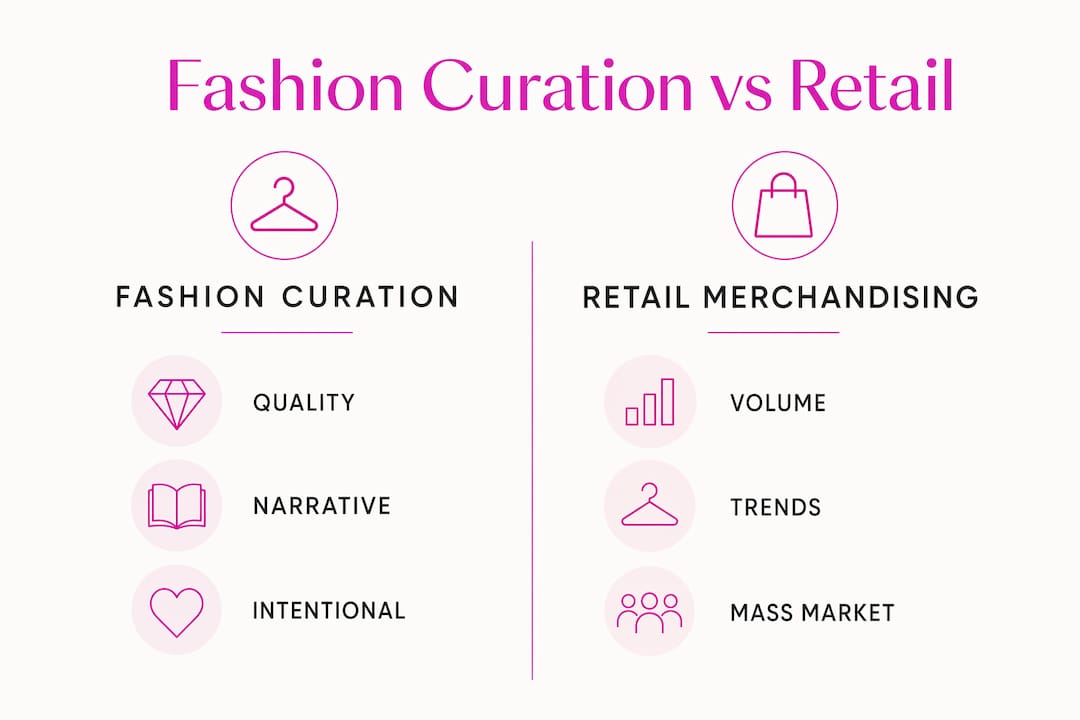
Curated fashion counters the myth that more choice equals better style by focusing on quality and narrative coherence. Traditional retail merchandising prioritises volume, trend velocity, and margin. Fashion curation prioritises meaning, coherence, and the shopper’s experience of the selection itself.
The difference is not just philosophical. It changes the entire shopping experience. A curated boutique presents fewer options, each chosen because it fits a specific aesthetic or quality standard. A mass retailer presents thousands of options, leaving the shopper to do all the curatorial work themselves. Fewer, better choices make wardrobes feel exclusive and personally meaningful. This is why curated fashion reduces decision fatigue in a way that browsing a large catalogue never can.
| Aspect | Fashion curation | Traditional retail merchandising |
|---|---|---|
| Selection criteria | Quality, narrative fit, and identity alignment | Trend velocity, margin, and volume |
| Choice volume | Deliberately limited and cohesive | Broad, maximising options |
| Shopper experience | Guided, editorial, and intentional | Self-directed with high decision load |
| Relationship to trends | Trends filtered through a curatorial lens | Trends adopted rapidly and broadly |
| Brand authority | Built on taste and editorial judgement | Built on range and price competitiveness |
The table above shows why curated fashion commands a premium, both in price and in loyalty. When a boutique or stylist has done the curatorial work for you, you are paying for their editorial judgement as much as for the garment itself.
What are examples of fashion curation in practice today?
Fashion curation appears across museums, retail, and personal styling, each context applying the same core principles of selection, narrative, and intentional presentation. Real-world examples make the concept concrete:
- The Arizona Costume Institute profiles curators who preserve heritage garments using custom display forms, treating each piece as an irreplaceable cultural document rather than a decorative object.
- Fashion directors at luxury retailers translate runway collections into coherent floor edits, selecting which Prada or Chanel pieces will resonate with their specific customer base rather than stocking everything available.
- Curated online boutiques apply editorial logic to their buying process, choosing pieces that fit a defined aesthetic rather than chasing every trend. Indylove is a strong local example, selecting chic and trendy pieces for Australian women with a clear focus on quality and wearability.
- Personal stylists practise curation every time they build a client’s wardrobe, applying collection logic to create a cohesive system rather than a collection of unrelated purchases.
- Technology in exhibitions is expanding what curation can do. Digital installations and augmented reality layers now allow curators to add narrative depth to physical garments, letting visitors explore a piece’s construction, provenance, and cultural context without touching the original.
The common thread across all these examples is intentionality. Curation is always a deliberate act of selection and framing, whether the audience is a museum visitor, a boutique shopper, or the person standing in front of their own wardrobe at 7am.
Key takeaways
Fashion curation is the practice of selecting, organising, and presenting fashion pieces with deliberate narrative intent, and applying it to your own wardrobe transforms how you dress and shop.
| Point | Details |
|---|---|
| Core definition | Fashion curation treats clothing as cultural artefacts, not just products, organising pieces to tell a story. |
| Exhibition curation | Spatial design, lighting, and custom mannequins shape how visitors interpret fashion as culture and art. |
| Personal wardrobe curation | Setting collection logic before shopping builds a cohesive, identity-driven wardrobe and reduces decision fatigue. |
| Curation vs merchandising | Curated fashion limits choice deliberately, prioritising quality and narrative over volume and trend speed. |
| Starting point | Audit your wardrobe, define your collection logic, and apply the exclusion rule before your next purchase. |
Why curation changed how I think about getting dressed
Most people treat their wardrobe as a storage problem. I used to do the same. The shift happened when I started thinking about my wardrobe the way a museum curator thinks about an exhibition: every piece either earns its place in the story or it does not belong on the floor.
What surprised me was how liberating that constraint felt. Owning fewer pieces that genuinely reflect who you are is far more satisfying than owning a wardrobe full of options that leave you feeling uninspired. The fashion curation process is not about minimalism for its own sake. It is about coherence. A well-curated wardrobe has a point of view, and that point of view makes getting dressed feel confident rather than chaotic.
The other thing I have noticed is that curation naturally pushes back against fast fashion’s worst habits. When you have defined your collection logic, impulse buys become obviously out of place. You stop buying things because they are cheap or on trend and start buying things because they genuinely fit the story you are telling through your clothes. That is a shift worth making, and it starts with understanding what curation actually means.
For practical guidance on building your own style framework, the fashion tips at Indylove are a genuinely useful starting point.
Start your curated wardrobe with Indylove
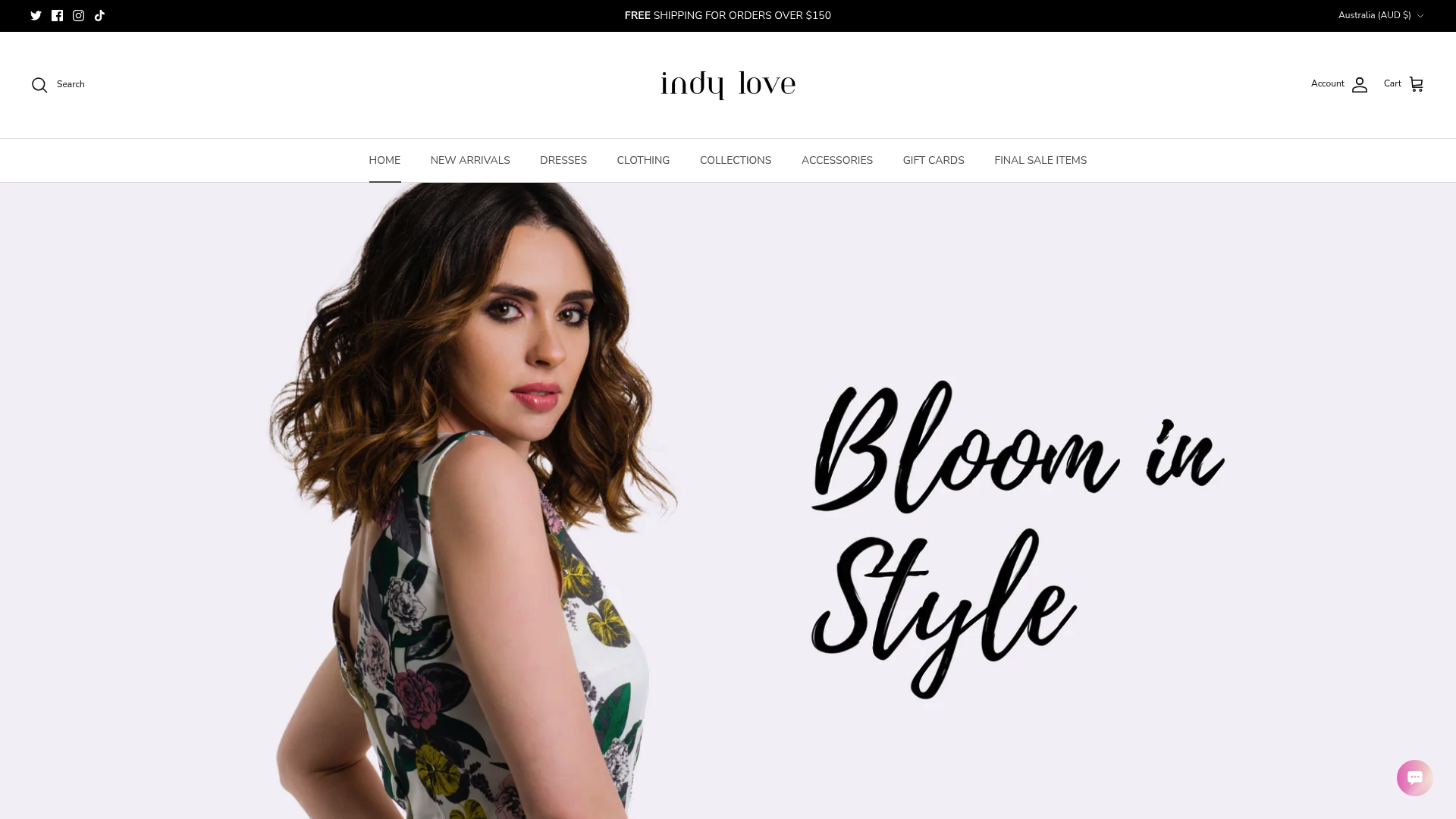
Indylove is built on exactly the principles this article describes: a carefully chosen selection of chic, trendy pieces for Australian women who want quality and style without the overwhelm of endless options. Every piece in the collection is chosen with intention, from the structured Emily Wide Collar Coat to the effortlessly stylish Ruby Floral Dress. These are not random trend grabs. They are curated picks designed to work together and work for you. Browse the full Indylove collection and start building a wardrobe with a genuine point of view. Free shipping on orders over $150 across Australia.
FAQ
What is the definition of fashion curation?
Fashion curation is the deliberate selection, organisation, and presentation of fashion pieces to communicate cultural, social, and aesthetic narratives. It treats clothing as cultural artefacts rather than functional objects alone.
How does fashion curation differ from personal styling?
Personal styling focuses on dressing an individual for specific occasions or looks, while fashion curation builds a cohesive system or narrative across a collection of pieces. Curation is the broader, more strategic practice.
Why is fashion curation important for your wardrobe?
Fashion curation reduces decision fatigue, builds a coherent personal identity through clothing, and encourages quality over quantity. A curated wardrobe feels intentional and reflects who you are rather than what was on sale.
Who practises fashion curation professionally?
Fashion curation is practised by museum curators, fashion directors at luxury retailers, personal stylists, and boutique buyers. Each applies the same core principle: selecting pieces with deliberate narrative and quality intent.
How do you start curating your own wardrobe?
Begin by auditing what you own, defining your collection logic based on identity and lifestyle, and applying an exclusion rule to every new purchase. Seasonal reviews keep the wardrobe coherent as your style evolves.
Recommended
- Fashion Blog | Style Tips & Trends | Indy Love Boutique Australia
- Discover the Latest Trends at Indy Love: Your Premier Australian Onlin – Indy Love Boutique
- Fashion Tip | Indylove Adelaide Women’s Fashion Boutique – Indy Love Boutique
- Indy Love Boutique | Women’s Fashion & Clothing Online Australia