Elevate everyday looks with statement accessories
One well-chosen statement accessory can turn a basic outfit into a considered, polished look. The trick is simple: pick one focal piece and let everything else play a supporting role. Indy Love’s Tate Earring does exactly this for a plain white tee, while the Love Headband transforms a rushed morning outfit into something intentional. To style statement accessories for everyday looks, you need one bold piece, a neutral base, and the confidence to stop there.
Quick wins to try right now:
- T-shirt + jeans: Swap your studs for the Tate Earring. Face-level impact, zero extra effort.
- Workwear: Add the All Eyes On Me Set over a tailored blazer. The layered jewellery reads polished without being overdressed.
- Knitwear: Slide on the Love Headband over a chunky knit. It frames your face and lifts the whole look in seconds.
Table of Contents
- Why a statement accessory changes how your outfit reads
- What counts as a statement accessory, and when does each shine?
- Styling formulas that keep your look balanced every time
- How to pair statement accessories with your everyday outfits
- How to choose pieces that last versus pieces that are trend-driven
- What Australian stylists actually recommend
- Your 30-second pre-leave-the-house checklist
- How to care for your statement accessories so they last
- Key takeaways
- The accessory habit that actually changes how you dress
- Chic statement picks at Indy Love, ready to shop
- Useful sources and further reading
Why a statement accessory changes how your outfit reads
The eye goes to the face first. Face-level accessories — earrings, necklaces, scarves, sunglasses — carry the highest visual impact because they sit closest to where people naturally look. That is the face-framing principle, and it is why a pair of bold earrings can make a plain outfit feel styled rather than thrown together.
Visual weight is the other piece of the puzzle. A chunky gold chain on a white tee creates contrast. That contrast signals intention. Without it, even a well-fitted outfit can read as unfinished. Scale matters too: a delicate pendant on a voluminous knit disappears, while an oversized hoop holds its own. Placement and proportion are what make an accessory feel deliberate rather than accidental.
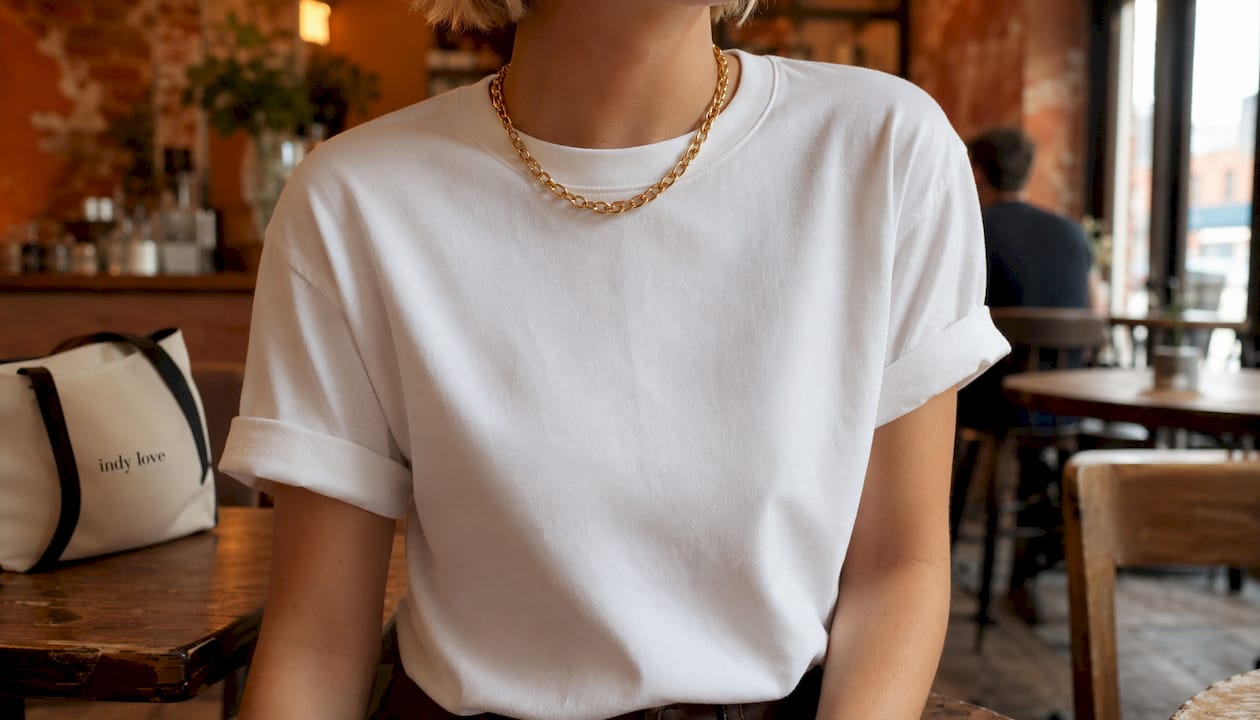
Australian stylists recommend adding texture and small intentional layers as the fastest route to a considered wardrobe. In summer, a pair of architectural sunglasses or a silk scarf does this effortlessly. In cooler months, a structured belt or a bold headband over a beanie achieves the same effect.
What counts as a statement accessory, and when does each shine?
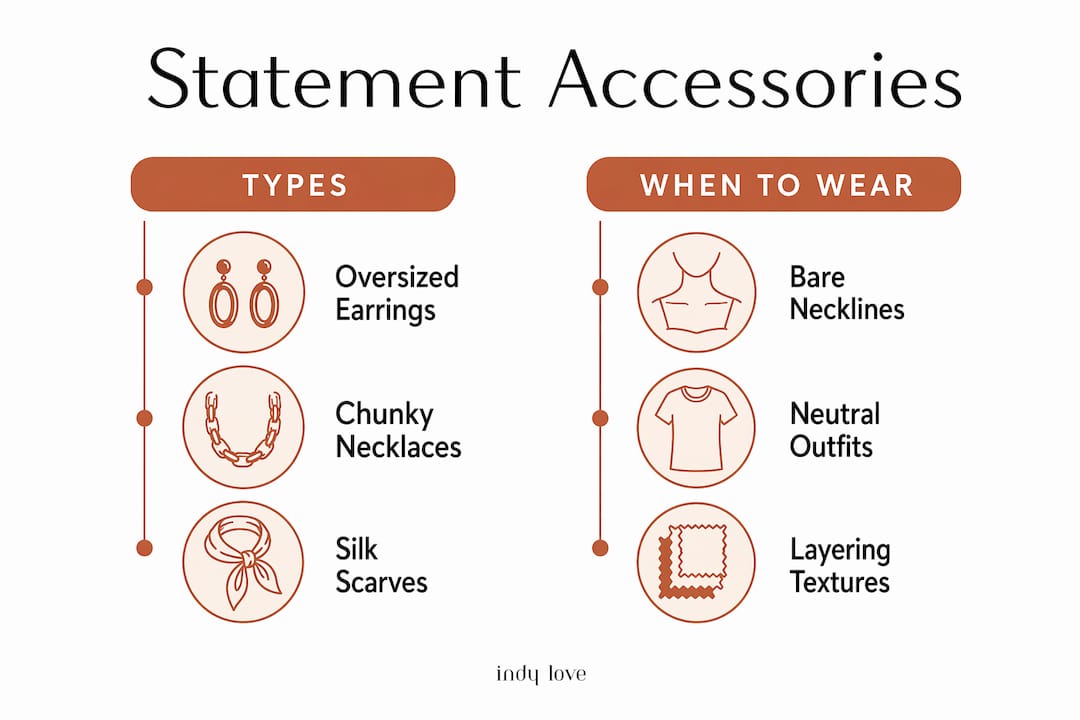
Statement accessories are bold, focal pieces designed to command attention rather than quietly complement. They contrast with neutral or minimalist clothing to add personality. Here is a quick catalogue of the main categories and their best use cases.
| Category | Best use case | Indy Love pick |
|---|---|---|
| Oversized earrings | Face-framing for bare necklines and updos | Tate Earring |
| Bold necklaces / jewellery sets | Lifts a plain scoop-neck or blazer | All Eyes On Me Set |
| Headbands | Frames the face; works over knitwear or with a bun | Love Headband |
| Sculptural handbag | Anchors a neutral outfit; hand-level accent | Choose a structured silhouette in a bold colour |
| Statement belt | Defines the waist over dresses, blazers, or oversized tops | Wide buckle or contrast leather |
| Silk scarf | Adds texture and colour; wear at the neck, wrist, or on a bag | Lightweight for Australian summers |
| Architectural sunglasses | Daytime impact; face-framing for casual looks | Acetate frames in a bold shape |
| Chunky rings / watches | Hand-level accents; pairs with the 2:1:1 jewellery rule | Stack with one statement ring |
A silk scarf tied at the neck or looped through a bag handle is one of the most versatile low-cost upgrades you can make to a basic outfit. For gemstone jewellery pairings with specific necklines, the principles of contrast and scale apply just as strongly.
Styling formulas that keep your look balanced every time
Good accessorising is repeatable when you have a formula. These two rules cover most everyday situations.
-
The 2:1:1 jewellery rule. Wear two subtle pieces, one medium-impact piece, and one statement piece. A typical application: two rings on one hand, one ring on the other, and a bracelet or watch on the hand with two rings. Each piece has a role. The statement piece anchors the look; the others guide the eye without competing.
-
The Rule of Three. A top-and-bottom combination reads as “dressed.” Add a third element — a scarf, a belt, a bold earring — and it reads as “styled.” This is the Rule of Three that stylists use to shift a look from assembled to considered.
-
Stick to one metal tone. Mixing gold and silver can work when done deliberately, but for everyday dressing it is easier to commit to one. The All Eyes On Me Set is built for this: the pieces share a finish so the 2:1:1 hierarchy is already done for you.
-
Let the busiest piece set the rules. If your accessory has pattern, texture, or colour, keep your clothing clean. A bold printed scarf over a busy floral top creates noise, not style.
-
Scale to your outfit’s volume. Oversized earrings need a clean neckline or pulled-back hair to read clearly. A chunky belt needs a structured garment to cinch, not a flimsy fabric that bunches.
Dos: one focal piece, neutral base, consistent metal tone, accessories spread across the body. Don’ts: two statement necklaces at once, competing patterns, heavy accessories on lightweight fabrics.
Pro Tip: Before you leave the house, cover your accessories with your hand and look at the outfit. Then uncover them. If the look improves noticeably, the accessory is earning its place. If it looks cluttered, remove one piece.
How to pair statement accessories with your everyday outfits
| Outfit | Statement accessory | Why it works | Quick swap for warmer days |
|---|---|---|---|
| White tee + straight-leg jeans | Tate Earring | Face-framing; contrast against a clean base | Swap to architectural sunglasses for outdoor errands |
| Casual weekend (linen shirt + shorts) | Silk scarf at the neck | Adds colour and texture without weight | Tie it on your bag handle instead |
| Business casual (blazer + trousers) | All Eyes On Me Set | Layered jewellery reads polished; face-level and hand-level accents | Wear just the necklace on hot days |
| Midi dress + sandals | Statement belt | Defines the waist; adds structure to a floaty silhouette | Choose a lighter woven belt in summer |
| Knitwear + ankle boots | Love Headband | Frames the face over a cosy base; lifts a heavy-fabric look | Swap for an oversized hoop earring in spring |
| Trench coat + basics | Bold structured bag | Hand-level anchor; the bag does the work when outerwear is neutral | A bright tote works just as well |
Face-framing accessories sit closest to the eye line, so they deliver the fastest payoff. For knitwear and outerwear, where the garment itself carries visual weight, a headband or earring near the face cuts through the bulk. Waist-level pieces like belts work best on dresses and blazers where there is a defined silhouette to anchor them. For casual street style inspiration, the same principles apply: one bold piece, clean base, done.
How to choose pieces that last versus pieces that are trend-driven
Not every statement accessory deserves the same investment. Here is how to decide.
Invest when:
- The piece is made from leather, solid metal, acetate, or natural fibre — materials that age well and can be maintained.
- The colour is neutral or classic (black, gold, ivory, tortoiseshell) so it works across multiple outfits.
- You can picture it with at least five things already in your wardrobe.
- The finish is clean and the hardware is solid, not flimsy.
Try the trend at a lower price point when:
- The colour is season-specific (neon, a very particular shade of the moment).
- The shape is exaggerated in a way that will date quickly.
- You are not sure yet whether it suits your personal style.
The 70/30 wardrobe rule is a useful guide here: roughly 70% of your wardrobe should be stable staples, and 30% can be statement or trend pieces. That ratio means your bold accessories always have a neutral base to work with.
A well-made leather belt, quality sunglasses, and a structured bag have a disproportionate effect on how an outfit reads. Polarised acetate sunglasses in particular outlast cheaper plastic frames in both durability and appearance. Buy those once and buy them well.
What Australian stylists actually recommend
Australian stylists favour quiet, high-quality pieces that signal attention to detail over loud branding. Three checkpoints worth applying to your own wardrobe:
Texture layering. A matte linen shirt with a glossy sculptural earring creates contrast through texture, not colour. This is particularly effective in Australian summers when heavy layering is not practical.
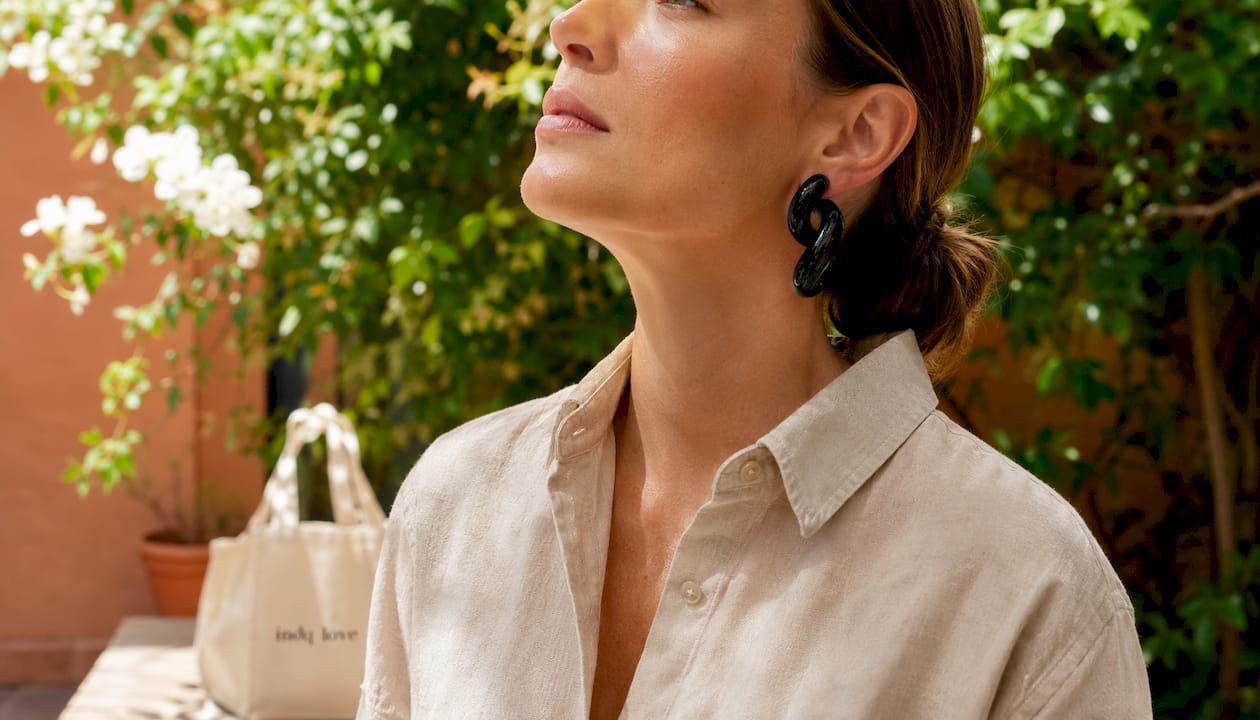
Climate-aware fabrics. Silk scarves, lightweight acetate, and open-weave straw bags suit the warmer months across most of Australia. Save heavier pieces — chunky knit headbands, wide leather belts — for the cooler southern states in winter.
The “considered” accessory test. Australian stylist Molly Johnstone, who has styled editorial work for Australian publications, puts it plainly: a casual outfit needs one stand-out piece, whether that is large sunglasses frames, a bright accessory, or a printed element. The stand-out is what makes the look feel chosen rather than assembled. For local shopping, look for Australian boutique picks that offer versatile colourways, clear return policies, and fast domestic shipping. Indy Love ships across Australia with free shipping on orders over $150, which makes trying a new statement piece low-risk.
Your 30-second pre-leave-the-house checklist
Run through these five checks before you walk out the door:
- Focal point: Is there one clear statement piece? If two accessories are competing for attention, remove one.
- Metal consistency: Are your metals the same tone, or is the mix intentional? Accidental mixing reads as unfinished.
- Scale: Does the size of your accessory suit the weight of your outfit? A delicate chain on a heavy knit disappears; an oversized earring on a busy print creates noise.
- Colour contrast: Does your accessory contrast with or complement your base? Either works — but it should be a choice, not an accident.
- Season suitability: Is the piece appropriate for the day’s weather and activity? A silk scarf on a 35°C Sydney day is a different proposition to the same scarf in Melbourne in July.
Last-minute fixes: tie your scarf a different way (around the wrist or on the bag instead of the neck), swap a structured bag for a tote, or remove one ring if your hands feel crowded. Small edits make a big difference.
How to care for your statement accessories so they last
Good pieces deserve good maintenance. The basics by material:
- Leather (belts, bags): condition every few months with a leather conditioner. Keep away from direct sunlight and store stuffed with tissue to hold shape. Wipe down after use in humid weather.
- Plated metals (gold-plated earrings, necklaces): keep dry and store separately to prevent scratching and tarnishing. Remove before swimming, showering, or applying perfume directly to the skin near the piece.
- Silk scarves: hand-wash in cool water with a gentle detergent, or dry-clean for structured styles. Never wring. Roll in a towel to remove moisture, then lay flat to dry.
- Acetate and resin (sunglasses, earrings): wipe with a microfibre cloth. Store in a hard case to prevent warping. Avoid leaving in a hot car.
- Headbands and fabric accessories: spot-clean where possible. For embellished styles like the Love Headband, store flat and away from other pieces that could snag the detail.
A little routine care means your investment pieces stay looking sharp for years rather than seasons.
Key takeaways
Statement accessories work best when one bold piece leads and everything else supports it.
| Point | Details |
|---|---|
| One focal piece rule | Choose one statement accessory and keep the rest minimal so the look reads intentional. |
| Face-framing first | Earrings, headbands, and necklaces sit closest to the face and deliver the highest visual impact. |
| 2:1:1 jewellery balance | Wear two subtle pieces, one medium piece, and one statement piece to distribute visual weight evenly. |
| Invest in quality staples | Leather, acetate, and solid metal pieces outlast trend items and work across more outfits. |
| Indy Love picks to try | The Tate Earring, Love Headband, and All Eyes On Me Set are ready-to-wear focal pieces for everyday looks. |
The accessory habit that actually changes how you dress
The conventional advice is to “invest in classics.” That is true, but it misses the more useful point: the habit that changes how you dress is building a small handful of go-to focal pieces you reach for automatically. Not a full jewellery box. Not a capsule of twenty accessories. Three to five pieces that you know work, that you have already tested against your wardrobe, and that you can grab without thinking.
What tends to get overlooked is that statement accessories are not about drama for its own sake. They are about giving your eye somewhere to land. A well-chosen earring or a structured headband does not shout. It just makes the rest of the outfit make sense. That is the difference between looking dressed and looking styled, and it is a distinction worth caring about for everyday wear, not just special occasions.
The fashion-forward approach is not about chasing every trend. It is about knowing your focal pieces and using them deliberately.
Chic statement picks at Indy Love, ready to shop
If you have been building your everyday look from the outfit up and wondering why it still feels unfinished, the answer is usually one well-chosen accessory away. Indy Love curates statement pieces that are designed to work hard across multiple outfits, made with quality finishes, and priced so you can actually try them.
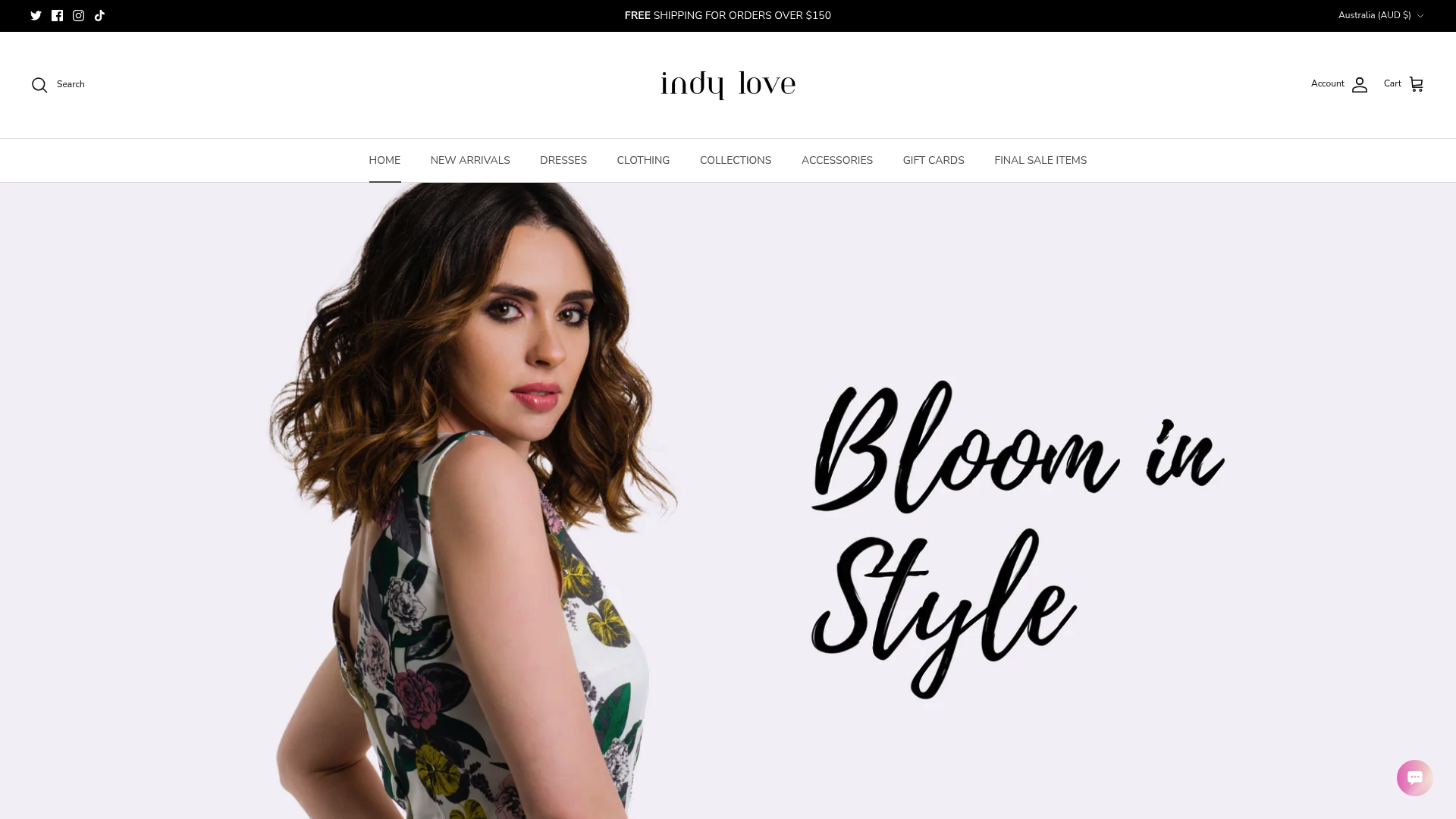
Three picks worth starting with:
- Love Headband: A face-framing focal piece that works over knitwear, with a bun, or on a casual weekend look. Versatile enough to wear daily.
- All Eyes On Me Set: A curated jewellery set that applies the 2:1:1 balance for you. Wear it over a blazer or a plain tee and the work is already done.
- Tate Earring: A standout face-level piece that lifts a white tee and jeans into a considered look. The kind of earring you reach for automatically.
Check sizing and colour options on each product page, and note Indy Love’s return policy before you order. Free shipping applies on orders over $150 across Australia. Browse the full accessories range at indylove.com.au and find your next go-to focal piece.
Useful sources and further reading
- Simple styling tweaks to elevate a basic outfit — Fashion Journal Australia: practical stylist advice on texture, layers, and elevating basics without buying more clothes.
- How to elevate basic outfits with statement accessories — Sikho.ai: covers the face-framing principle and single-accessory focus method.
- Accessories that elevate any outfit — This Is Media (AU): investment accessory guidance including leather, sunglasses, and maintenance tips.
- The 2:1:1 rule: a simple way to balance your jewellery — Jewelry Cult: clear explanation of the 2:1:1 formula and how to apply it.
- Capsule wardrobe guide: 70/30 rule — Outfint: practical guidance on balancing staples and statement pieces.
- How to elevate a casual outfit, according to a stylist — Fashion Journal Australia: Australian stylist Molly Johnstone on casual dressing and statement pieces.
- Gemstone jewellery outfit pairing: style it right — HerMJ: practical pairing advice for jewellery and necklines.
- Indy Love Boutique fashion tips — Indy Love: styling how-tos and trend guidance for Australian women.