Role of accessories in trend setting: what you need to know
Accessories are the single fastest lever for creating and spreading a fashion trend. They are small, visible, affordable to copy, and easy to photograph — which means a chunky gold hoop or an oversized tote can move from a runway look to your Instagram feed to your local boutique in weeks, not seasons. As base garments trend toward minimalism, jewellery, bags and hair accessories now carry most of the personal-expression load.
TL;DR:
- One well-chosen accessory updates an existing outfit faster and cheaper than buying a new garment.
- Accessories are highly shareable on social media, which accelerates how quickly a trend spreads.
- Buying one strong anchor piece (a bag, a pair of earrings) returns more style value per dollar than most clothing purchases.
Read on for the mechanics of how accessories drive trends, practical styling rules, and how to buy smart in Australia.
Table of Contents
- Why accessories carry so much trend power
- How accessories set and spread trends: the mechanics
- Types of accessories that drive trends and how each shapes style
- Practical styling rules for trend-led accessorising
- Australian examples: how local shoppers translate global trends
- How to choose and buy trend-right accessories in Australia
- How accessories became trend catalysts through history
- How cross-cultural exchange shapes accessory trends
- Economic factors that shape accessory trend cycles
- Key takeaways
- Accessories tell the truth about your style
- Indy Love makes trend-forward accessorising easy
- Useful sources
Why accessories carry so much trend power
The psychology behind accessories is straightforward: face-level and hand-level pieces are processed earlier by observers than any other part of an outfit. Earrings, glasses, and rings sit closest to where people make eye contact, so they register first and linger longest in memory. That is why a signature ring or a distinctive pair of frames can define someone’s personal style more completely than the clothes underneath.
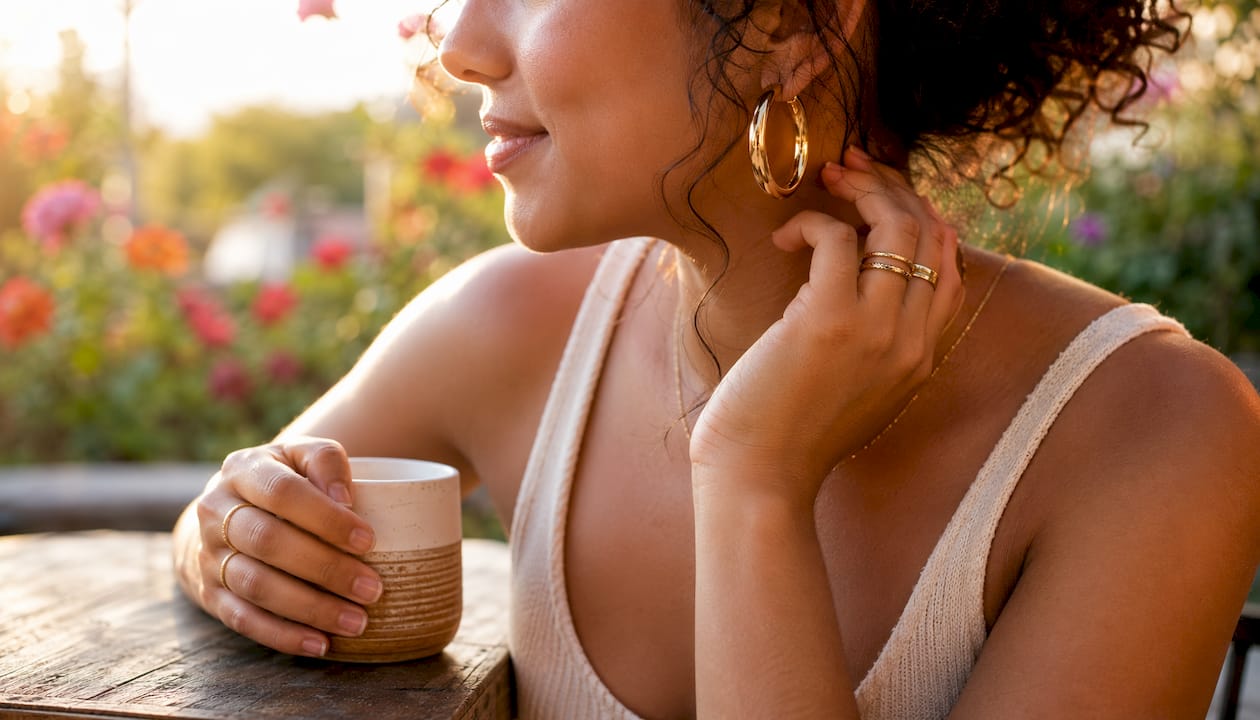
Accessories also function as identity markers in a way garments rarely do. A bag is present in nearly every photograph taken throughout the day. A watch or a bracelet appears in every handshake and gesture. These pieces accumulate meaning through repetition, which is why treating jewellery as an anchor rather than an afterthought changes how an entire outfit reads.
The emotional value of accessories also outlasts the clothing trend that inspired them. A well-chosen belt or bag can remain relevant long after the garment it was first paired with has left the wardrobe. That durability is part of what makes accessories such powerful trend indicators in fashion.
How accessories set and spread trends: the mechanics
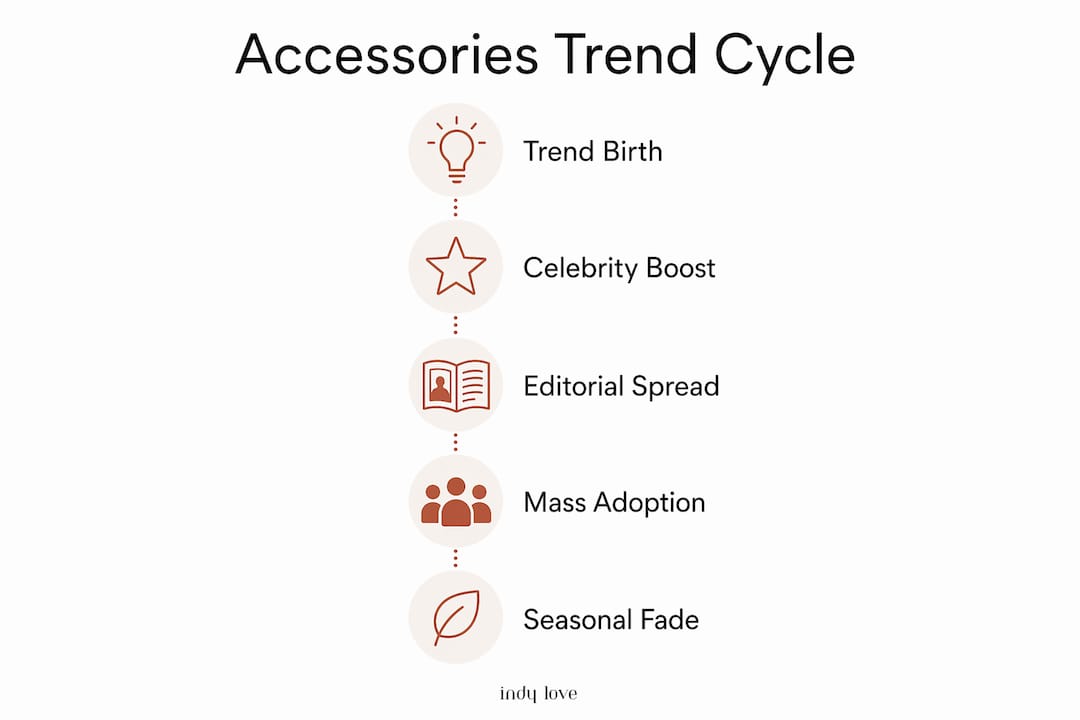
Accessories change trend perception faster than garments because of four structural advantages: smaller size, lower cost, higher visibility, and easier repeatability. A dramatic pair of sunglasses from a runway show can be photographed, shared, and stocked in retail within a single season. A coat from the same show takes far longer to filter through.
The path from concept to cultural trend follows a consistent sequence:
- Runway and collections. Designers introduce a shape, material, or proportion — oversized bags, visible belts, sculptural earrings.
- Editorial and trade press. Fashion editors and stylists amplify the signal through magazine shoots and online features.
- Influencer amplification. Creators on short-form social platforms style the piece in everyday contexts, making it feel accessible and wearable.
- Street and retail adoption. Shoppers and local boutiques translate the trend into real-life purchases.
Three accelerants speed up this cycle considerably. Celebrity appearances attach cultural cachet to a specific piece almost overnight. Short-form video content on platforms like TikTok and Instagram Reels compresses the editorial-to-street timeline from months to weeks. Limited drops and scarcity marketing create urgency that pushes adoption faster than a standard retail release.
Example 1: Oversized bags returned in Spring 2026 as a direct reaction to the impractical micro-bag era. Editors flagged the shift, influencers styled the new silhouettes, and bag shapes became cultural markers communicating a practical-yet-chic lifestyle within one season.
Example 2: Vintage hair pins and sculptural barrettes appeared in Pinterest’s 2026 Predicts report alongside handbags and jewellery as accessories to watch. Within weeks of that editorial coverage, they were visible across Australian street style and social feeds.
Types of accessories that drive trends and how each shapes style
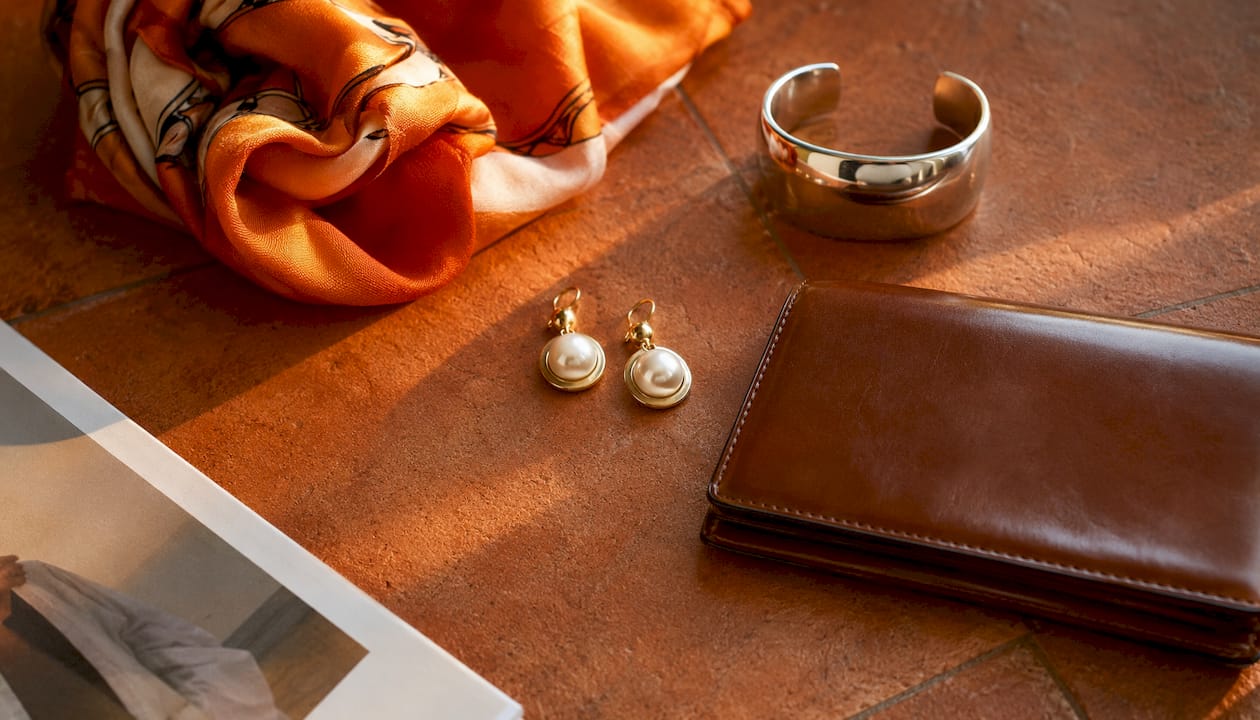
Different accessory categories send distinct style signals. Understanding what each one communicates helps you choose pieces that work with intention rather than habit.
| Category | Style signal | Practical example |
|---|---|---|
| Jewellery | Personal expression, face-level anchor | Chunky gold hoops transform a plain white tee into a statement look |
| Bags | Lifestyle and silhouette | An oversized structured tote reframes a blazer as editorial rather than corporate |
| Eyewear | Personality and proportion | Geometric frames shift a minimal outfit into fashion-forward territory |
| Footwear | Silhouette and formality | A pointed mule under wide-leg trousers creates a polished, elongated line |
| Belts | Structure and waist definition | A wide leather belt over a wrap dress adds shape and intentionality |
| Scarves | Colour and texture layering | A silk scarf tied at the neck or wrist introduces pattern without commitment |
| Hats | Occasion and attitude | A wide-brim hat shifts a sundress from casual to resort-chic |
| Hair accessories | Finish and modernity | A sculptural barrette on a low bun signals the same care as a jewellery choice |
| Tech accessories | Lifestyle signalling | A sleek smartwatch like the Montblanc Summit 3 bridges function and fashion |
| Small leather goods | Cohesion and quality cues | A card holder or wallet in a complementary tone ties a whole look together |
A statement necklace over a plain dress does the work a printed garment would otherwise do, but with more flexibility. The dress stays neutral; the necklace changes with the occasion. Similarly, an oversized tote reframes a blazer from office-ready to off-duty editorial, simply by shifting the proportion and lifestyle cue.
Practical styling rules for trend-led accessorising
The most effective approach is anchor-first: choose your face-level and hand-level pieces before you add statement accents. This produces a coherent personal signature rather than a collection of unrelated pieces.
Eight rules that work:
- Start with face-level pieces. Glasses and earrings sit closest to where people look first; get these right and the rest follows.
- Add hand-level pieces next. A watch or rings appear in every gesture and photograph, so they need to work across your daily movement.
- Choose your daily carry. Your bag is in more photographs than any other accessory; select it for silhouette and proportion, not just function.
- Balance scale deliberately. A bold earring pairs with a minimal necklace. An oversized bag works with a fitted silhouette. Competing statement pieces cancel each other out.
- Limit focal points to two. One strong accessory and one supporting piece is almost always more effective than three competing ones.
- Repeat signature pieces. Wearing the same ring or the same frames consistently builds a recognisable personal style faster than rotating through novelty.
- Translate runway shapes for real life. Dramatic sunglasses and visible belts work on the street when scaled to your proportions, not the runway model’s.
- Use colour to connect, not match. An accessory that picks up one tone from your outfit creates cohesion; an exact colour match can look costume-like.
The 3-3-3 capsule wardrobe method (3 tops × 3 bottoms × 3 shoes = 27 outfit combinations) shows exactly how accessories multiply options. Adding one or two layering pieces can double the number of combinations, often resulting in 54 or more possible outfits. That combinatorial effect is the practical argument for buying fewer, better accessories rather than more garments.
Pro Tip: Before buying any accessory, ask yourself how many times per week it will realistically appear in your outfits. Prioritise pieces you will wear at least three times a week before adding showpieces. This single question eliminates most impulse purchases.
Australian examples: how local shoppers translate global trends
In Australia, accessories often translate global signals into everyday wardrobes through local retail and social scenes, where the pace of adoption is fast and the appetite for chic, wearable pieces is strong.
Look 1: The statement earring as outfit anchor. A pair of sculptural gold hoops worn with a simple wrap dress does what a printed garment would otherwise do. The dress provides a clean canvas; the earrings carry the trend signal. This combination photographs well, repeats across occasions, and costs a fraction of a new wardrobe.
Look 2: The oversized bag as lifestyle marker. Styled with a tailored blazer and straight-leg trousers, a structured oversized tote communicates the practical-yet-polished aesthetic that dominated Australian street style in 2026. The bag does the editorial work; the outfit underneath stays classic and versatile.
Look 3: Hair accessories as a finishing statement. A sculptural barrette or vintage-style clip on a low bun, worn with a chic occasion dress, signals the same level of intention as a jewellery choice. It is a small addition that changes the perceived effort of the whole look.
Indy Love curates pieces that work as both anchors and seasonal accents, with fast shipping across Australia so you can respond to a trend while it is still current.
How to choose and buy trend-right accessories in Australia
Smart accessory buying starts with a few clear criteria before you reach the checkout.
Buyer checklist:
- Frequency of wear. Will you reach for this piece three or more times per week? If not, it is an accent, not an anchor.
- Compatibility with staples. Does it work with at least three items already in your wardrobe? If it only pairs with one outfit, reconsider.
- Scale and proportion. Hold the piece against your face or body before buying. Online shoppers should check dimensions carefully.
- Materials and maintenance. Gold-plated pieces fade with daily wear; solid metals and quality leathers last longer and justify a higher spend.
- Build vs. accent. Anchor pieces (a quality bag, a signature pair of earrings) deserve more budget. Seasonal accents (a trend-specific scarf, a novelty hair clip) should cost less because their lifespan is shorter.
For sustainability, consider secondhand platforms for investment-level pieces: check condition, authenticity markers, and original materials before buying. A pre-loved leather bag in excellent condition often outperforms a new entry-level piece in both longevity and style.
Cost framing by tier:
- Entry-level accents are low-cost, trend-specific, and expected to rotate seasonally.
- Mid-range pieces balance quality and trend relevance; these are your workhorses.
- Investment anchors are bought for longevity, not trend alignment; quality materials and classic proportions matter most here.
When in doubt, invest in anchors and experiment with accents. This approach aligns with affordable chic principles and keeps your wardrobe flexible without overcapitalising on short-lived trends.
How accessories became trend catalysts through history
Accessories have functioned as status and identity signals for as long as fashion has existed. In ancient Egypt, jewellery communicated rank and divine connection. In Renaissance Europe, gloves and fans were coded social tools, their handling a language of their own. By the 20th century, accessories had become the primary vehicle for democratising fashion: a woman who could not afford a couture gown could still wear a silk scarf or a pair of gloves that signalled the same aesthetic sensibility.
The post-war period accelerated this. As ready-to-wear clothing became standardised, accessories became the main differentiator. The 1950s handbag boom, the 1970s belt revival, the 1990s logomania wave — each represented a moment when a small, wearable object carried the full weight of a cultural shift. By the 2000s, the “It bag” phenomenon had made accessories the commercial centrepiece of luxury fashion, with waiting lists and resale markets that no garment category could match.
Today, that dynamic has intensified. With base garments trending toward clean, minimal silhouettes, the role of fashion accessories as the primary site of personal expression is stronger than at any point in recent history.
How cross-cultural exchange shapes accessory trends
No accessory trend emerges in isolation. The chunky gold jewellery that dominated Australian street style in 2025–2026 drew on West African adornment traditions, filtered through New York and London editorial culture before reaching local boutiques. The sculptural barrette revival owed as much to Japanese hair accessory craft as it did to French vintage style.
Cross-cultural exchange accelerates through social media, where a styling tradition from one country becomes a reference point for creators in another within days. Australian fashion has always absorbed these signals quickly, partly because of the country’s multicultural population and partly because of the strong local appetite for fashion-forward styling that does not feel derivative.
The practical implication for shoppers is that the most interesting accessory choices often come from looking beyond the dominant trend narrative. A piece rooted in a specific cultural craft tradition tends to carry more visual distinctiveness and longevity than a piece designed purely to chase a seasonal signal.
Economic factors that shape accessory trend cycles
Accessory trends do not move independently of economic conditions. When consumer confidence is high, investment-level pieces sell strongly and luxury accessories lead the trend cycle. When conditions tighten, the pattern shifts: shoppers trade down in garments but maintain or increase accessory spending because a new bag or a pair of earrings delivers a visible style update at a fraction of the cost of a new wardrobe.
This is sometimes called the “lipstick effect” in fashion economics, though the same logic applies across all accessory categories. A value-conscious consumer who will not spend on a new coat will often spend on a statement necklace that makes last season’s coat feel current again.
The 2026 environment, characterised by more value-conscious consumers, has reinforced this pattern. Wrong accessory purchases feel costlier when shoppers expect every piece to work harder across multiple outfits. That pressure has pushed buyers toward anchors with clear repeat-use value and away from novelty pieces with a single-outfit lifespan. It has also accelerated the secondhand accessories market, where quality pieces at accessible prices offer the best return on style investment.
Key takeaways
Accessories are the fastest, most flexible drivers of fashion trends because they are visible, affordable to copy, and easy to share — making a single well-chosen piece more powerful than a wardrobe full of trend-chasing garments.
| Point | Details |
|---|---|
| Anchor-first selection | Choose face-level and hand-level pieces first; they register earliest and build a consistent personal signature. |
| The 3-3-3 multiplier | Three tops, three bottoms, and three shoes create 27 outfits; adding one or two layering pieces can double that number to 54 or more combinations. |
| Invest in anchors, experiment with accents | Spend more on repeat-use anchors (bags, earrings); keep seasonal accents affordable so you can rotate without overcapitalising. |
| Cross-cultural and economic forces | Accessory trends accelerate during value-conscious periods and draw on global cultural exchange, making them more dynamic than garment trends. |
| Indy Love for local sourcing | Indy Love curates trend-forward accessories with free shipping on orders over $150 and fast delivery across Australia. |
Accessories tell the truth about your style
The conventional wisdom is that a great outfit starts with great clothes. After looking at how trends actually move, that framing is back to front. The clothes provide the canvas. The accessories are where the real decisions happen.
What strikes me most about the 2026 accessory moment is how it has exposed a gap that was always there: most people plan their clothing carefully and grab their accessories at the door. The result is an outfit that looks almost right. The earring chosen without thought, the bag grabbed from habit, the hair clip that does not connect to anything else in the look — these are the details that separate a styled outfit from a dressed one.
The anchor-first approach is not a styling trick. It is a reorientation of where the decision-making energy goes. When you choose your earrings before you choose your top, the whole outfit organises itself differently. That shift in sequence is small, but the visual result is not.
For Australian shoppers, the opportunity is clear. Global trends are arriving faster than ever, local boutiques are translating them into wearable, everyday pieces, and the accessory category is where the most interesting style conversations are happening right now. The question is not whether accessories matter. It is whether you are choosing them or just grabbing them.
Indy Love makes trend-forward accessorising easy
Knowing which accessories to buy is one thing. Finding them at a price that makes sense for real life is another. Indy Love curates a selection of chic, trend-right pieces designed to work as anchors and accents across your existing wardrobe, without the guesswork of sorting through mass-market noise.
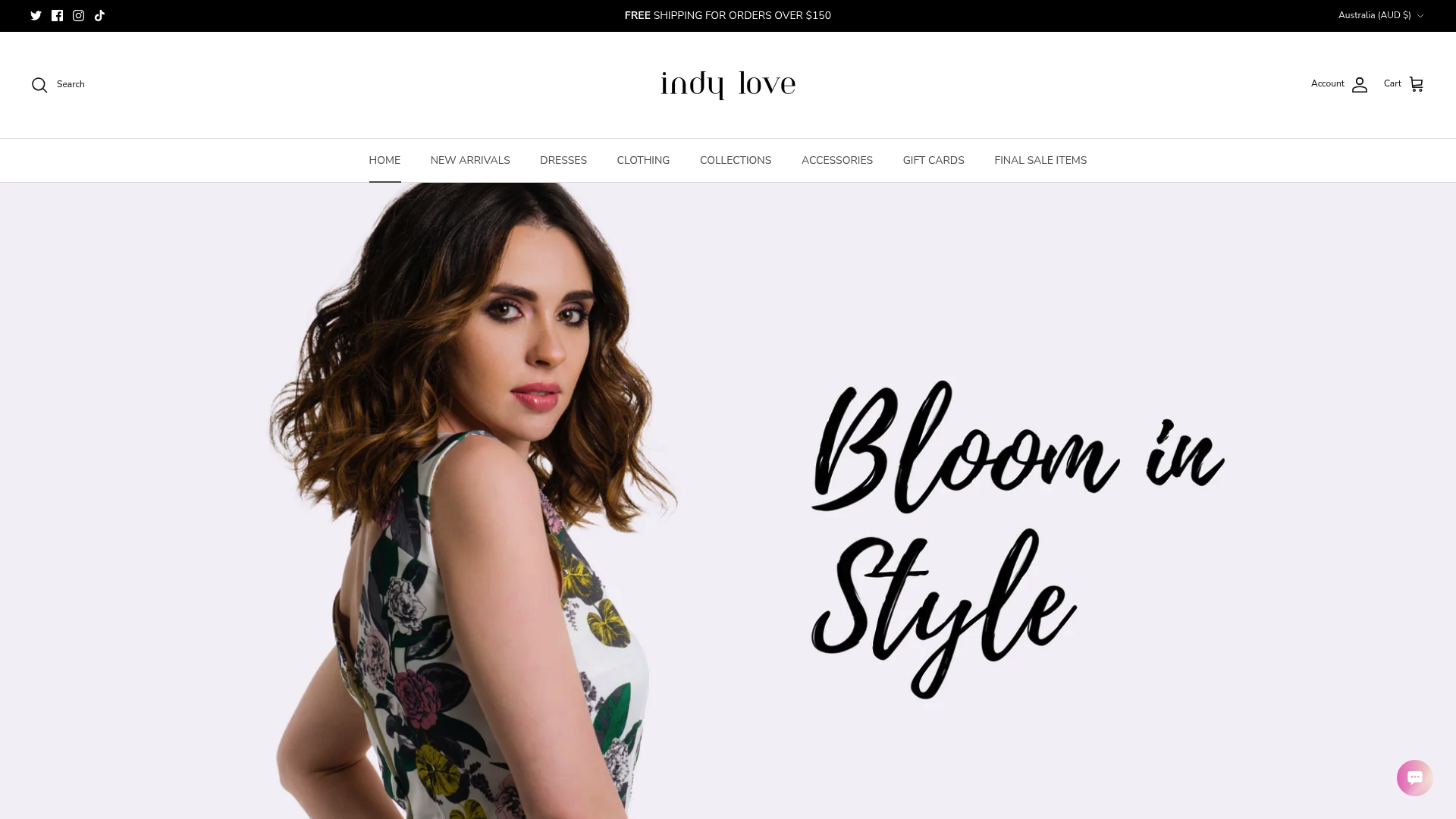
The Passion Dress and the Alice Shirt Dress are exactly the kind of clean canvases that let accessories do their work. Pair either with a statement earring and a structured bag and you have a look that reads as considered and current. The Mary Wrap Dress is a natural fit for belt-led styling, where a single waist piece shifts the silhouette entirely.
Indy Love ships fast across Australia, with free delivery on orders over $150. Browse the full collection and find the pieces that will anchor your wardrobe this season.
Useful sources
| Source | What it covers |
|---|---|
| Accentuating Accessories: The Art of Completing a Look — RMCAD | Academic and editorial perspective on how accessories complete and define an outfit |
| Why Accessories Deserve The Same Thought As Your Clothing — MiNDFOOD | Practical argument for planning accessories with the same attention as garments |
| Why accessories are driving fashion right now | 2026 trend analysis showing accessories as primary personal-expression vehicles |
| Why accessories change trend perception faster than clothes — The Blissful Studio | Explains the mechanics of rapid accessory trend diffusion versus garment trends |
| The accessories that define personal style — Jewelbeat | Recommended purchase hierarchy for building a coherent accessory wardrobe |
| How fashion accessories in 2026 became powerful | Runway and editorial analysis of key accessory shifts in 2026 |
| 3-3-3 capsule wardrobe rule — 1abel | Practical framework showing how accessories multiply outfit combinations |
| Indy Love Boutique | Local Australian source for curated, trend-forward women’s clothing and accessories |