
Trendy vs classic clothing: what each style really means
Trendy clothing is defined as a style that gains rapid popularity within a specific cultural moment, then fades within months, while classic clothing refers to timeless pieces that remain stylish across years and occasions. Understanding what does trendy vs classic clothing mean is the foundation of every smart wardrobe decision you will ever make. The Y2K denim revival, quiet luxury tailoring, and the enduring trench coat each tell this story clearly. Get the balance right and your wardrobe works harder, costs less per wear, and reflects who you actually are.
What does trendy vs classic clothing mean in fashion?
A fashion trend is a recurring style pattern that gains popularity within a specific time and cultural context, shaped by technology, pop culture, and the fashion industry. Trendy pieces capture a moment. Classic pieces outlast it.
The difference between trendy and classic is not about quality or price alone. It is about lifespan and intent. Trendy clothing is designed to feel current right now. Classic clothing is designed to feel right every year. Both have genuine value in your wardrobe, but they serve entirely different purposes.
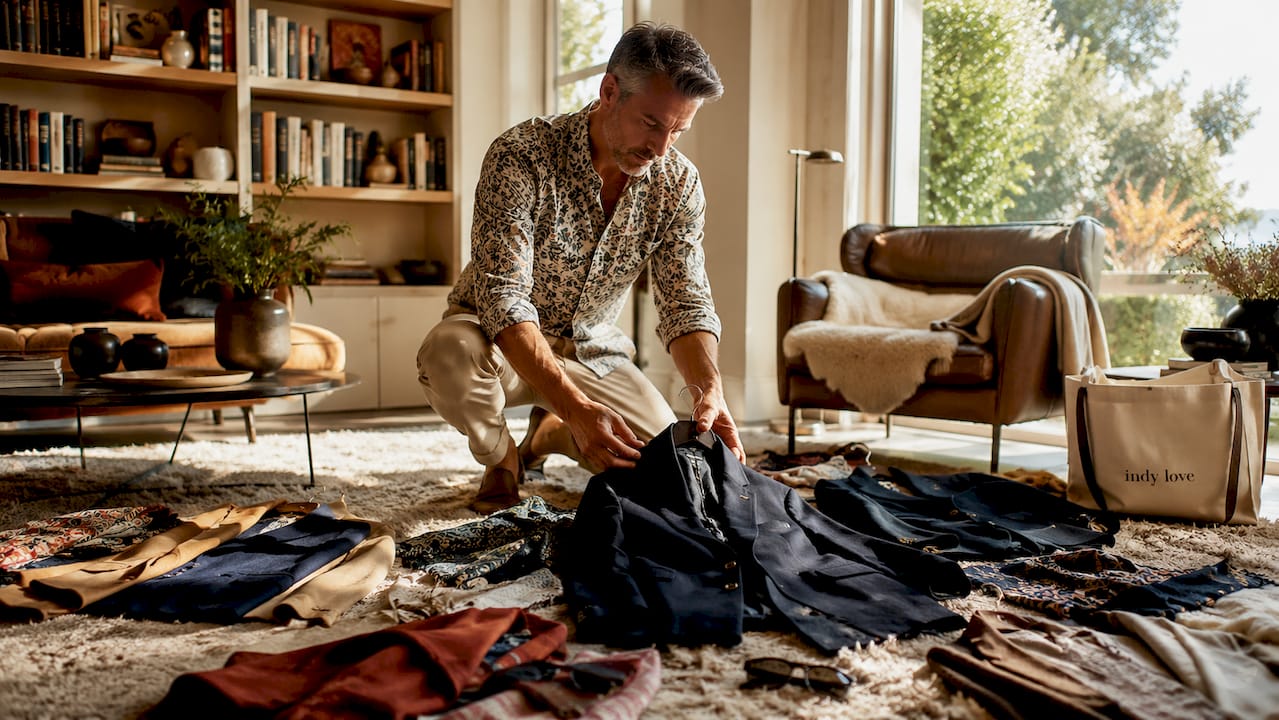
Knowing which category a piece falls into before you buy it changes everything. You stop impulse purchasing and start building a wardrobe with real staying power.
How long do fashion trends actually last?
Fashion trends rotate every three to six months, while timeless pieces can last five to ten years or more. That gap is enormous when you think about cost per wear.
Trendy clothing sits across three distinct categories, and understanding them helps you shop more deliberately:
- Megatrends represent long-term cultural shifts, like the move toward gender-neutral silhouettes, lasting several years.
- Macrotrends are seasonal movements driven by runway shows and major cultural events, such as the quiet luxury wave that followed 2022.
- Microtrends are the short-lived viral moments, think Y2K denim in 2024–2025, that saturate social media and disappear within months.
Trendy fashion is characterised by bold colours, statement cuts, novel fabrics, and seasonal shifts. It reflects what is popular in the moment, often with viral details that feel exciting but date an outfit quickly. Influencers, runway shows, and platforms like Instagram and TikTok accelerate the cycle dramatically. A microtrend that would have taken two years to reach mainstream shoppers in the 1990s now peaks and declines within a single season.
Trendy pieces are not a mistake. They add personality, energy, and creative expression to your look. The risk is treating them as wardrobe foundations rather than accents.
Pro Tip: Before buying a trendy piece, ask yourself whether you would still wear it in 18 months. If the honest answer is no, treat it as a low-cost accent rather than a wardrobe investment.
What makes a piece of clothing truly classic?
Classic clothing is defined by five consistent traits: neutral colours, classic silhouettes, quality materials, clean design, and multi-occasion wearability. These are not arbitrary rules. They are the reasons certain pieces survive decade after decade.
Here are the hallmarks of a genuinely classic wardrobe piece:
- Neutral or versatile colour palette — navy, white, camel, black, and grey work across seasons and occasions without clashing.
- Timeless silhouette — tailored blazers, straight-leg trousers, wrap dresses, and white shirts adapt to changing trends without looking dated.
- Quality fabric — merino wool, structured cotton, and quality linen hold their shape and appearance over years of wear.
- Clean, unfussy design — minimal embellishment means the piece does not scream a particular era.
- Cross-occasion versatility — a piece that works at the office, at a weekend lunch, and at a casual event earns its place in your wardrobe.
Classic fashion silhouettes like tailored blazers, white shirts, and straight-leg trousers adapt easily to changing trends and rarely fall out of favour. A trench coat worn across seasons outperforms trend jackets in cost-per-wear analysis by a significant margin. That is the financial case for classics made plain.
One important clarification on classic style explained: timeless does not mean boring. A well-curated classic wardrobe has personality through texture, colour depth, and intentional details. The difference is that the personality comes from you, not from a trend cycle.
Pro Tip: Do a closet audit once a season. Identify which pieces you reach for constantly. Those are your classics. Build around them first, then add trend accents.
Trendy vs classic clothing: a direct comparison
The practical difference between trendy and classic becomes clearest when you compare them side by side across the factors that matter most to your wardrobe.
| Feature | Trendy Clothing | Classic Clothing |
|---|---|---|
| Lifespan | 3–18 months | 5–10+ years |
| Cost per wear | High (worn infrequently) | Low (worn repeatedly) |
| Versatility | Limited to current season | Works across occasions and years |
| Style risk | Higher (can date quickly) | Lower (rarely looks out of place) |
| Creative expression | High energy, bold, experimental | Subtle, deliberate, personal |
| Environmental impact | Contributes to fast fashion waste | Supports sustainable buying habits |
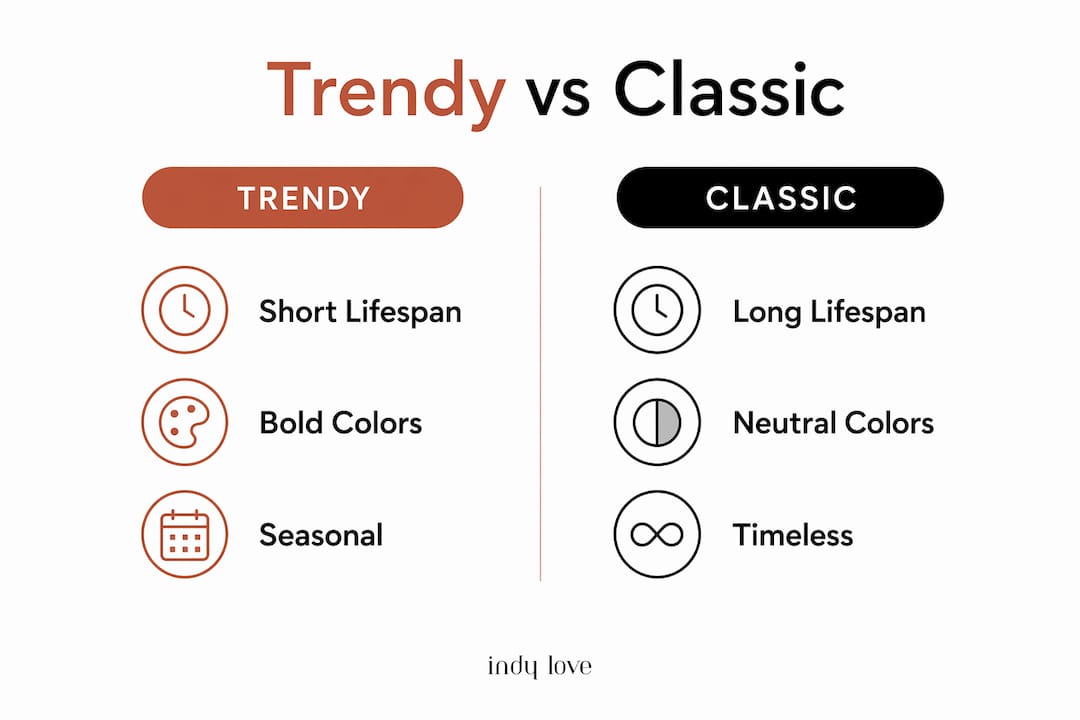
Trendy fashion brings genuine excitement. It connects you to the cultural moment and allows for bold self-expression. The downside is that overbuying trends creates wardrobe clutter, financial waste, and a closet full of pieces that feel irrelevant within a year.
Classic fashion offers longevity and reliability. The downside is that a wardrobe built entirely on classics can feel static and disconnected from the energy of contemporary style. Neither extreme serves you well.
The cognitive load of an overstuffed wardrobe is also real. When every piece competes for attention, getting dressed becomes stressful rather than enjoyable. Intentional buying, guided by understanding fashion trends vs classics, solves this directly.
How to blend trendy and classic pieces in your wardrobe
The smartest approach to style is an 80% classic, 20% trendy split. This ratio keeps your wardrobe current without requiring constant reinvention or spending.
Here is how to apply it practically:
- Anchor your wardrobe in classics. Invest in quality blazers, tailored trousers, a wrap dress, a white shirt, and a structured coat. These are your foundation pieces.
- Use trends in accessories first. A bold bag, statement earrings, or a printed scarf lets you engage with a trend at low cost and low commitment.
- Limit trendy statement pieces to one per outfit. One bold, trend-driven item reads as intentional. Three reads as chaotic.
- Test trend longevity before committing. If a trend has been visible for two full seasons, it may have staying power. If it appeared last month, wait and watch.
- Align trends with your personal style. Trends are collective cultural movements, but your style is a long-term process aligned with your lifestyle and body. Not every trend belongs in your wardrobe.
Colour, silhouette, and fabric are your three tools for blending. A classic silhouette in a trending colour reads as fresh without being disposable. A trendy silhouette in a neutral fabric reads as wearable beyond the current season. Understanding fashion curation helps you make these decisions with confidence rather than guesswork.
Capsule wardrobes are the practical outcome of this approach. A capsule of 30–40 pieces built on classic foundations and refreshed with a handful of trend accents gives you more outfit combinations than a wardrobe of 100 disconnected pieces.
Pro Tip: When shopping online fashion sales, apply the 80/20 rule to your cart before checkout. If more than 20% of your basket is trend-driven, put something back.
Key takeaways
The most effective wardrobe strategy combines a classic foundation with selective trend accents, prioritising cost per wear and personal style alignment over seasonal impulse buying.
| Point | Details |
|---|---|
| Trendy clothing lifespan | Trends last 3–18 months; microtrends can fade within a single season. |
| Classic clothing value | Timeless pieces last 5–10+ years and deliver a significantly lower cost per wear. |
| The 80/20 rule | Build 80% of your wardrobe on classics and use trends for 20% of accent pieces. |
| Classics are not boring | Texture, colour depth, and intentional detail give classic wardrobes genuine personality. |
| Trend selection matters | Not all trends suit every person; align trend choices with your lifestyle and body awareness. |
Why i think most women get this balance wrong
I have spent years watching women build wardrobes that frustrate them. The pattern is almost always the same. They buy too many trendy pieces in a rush of excitement, then feel stuck when those pieces date quickly. Or they swing the other way, buying only “safe” classics and ending up with a wardrobe that feels like a uniform rather than an expression of who they are.
The uncomfortable truth about classic style explained is that classics require more upfront investment. A quality tailored blazer costs more than a fast fashion trend jacket. But that blazer will still look sharp in five years. The trend jacket will look like a costume.
What I find works best is treating your wardrobe like a long-term project rather than a series of seasonal purchases. Start with a closet audit. Identify what you actually wear. Then fill the gaps with quality classics before you touch trends. Once your foundation is solid, trends become fun rather than stressful.
The other mistake I see constantly is buying trends that do not align with real life. A maximalist statement coat looks stunning on Instagram. But if your life involves school runs, office meetings, and weekend brunches, that coat will sit unworn. The best trend purchase is one that slots into your actual routine, not your aspirational one.
Personal style sits at the intersection of trend awareness and self-knowledge. The women who always look great are not necessarily wearing the most current pieces. They are wearing pieces that suit them, fit well, and feel intentional. That confidence is what you notice first.
— Helen
Shop classic and trendy styles at indy love
Indy Love makes it easy to build a wardrobe that balances both worlds. The boutique stocks chic, carefully curated pieces that work as classic foundations and trend-forward accents, all at prices that make smart shopping genuinely accessible.
The Alice Shirt Dress is a perfect example of a timeless silhouette with contemporary appeal, the kind of piece that earns its place in your wardrobe for years. For a bolder trend moment, the Cartel Mini Dress delivers current energy without the hefty price tag. With free shipping on orders over $150 and fast delivery across Australia, Indy Love is your go-to destination for building a wardrobe that feels both current and lasting. Shop the full range at Indy Love today.
FAQ
What is the trendy clothing definition in fashion?
Trendy clothing refers to styles that gain rapid popularity within a specific cultural moment, driven by social media, influencers, and runway shows. These pieces typically remain fashionable for 3–18 months before declining in relevance.
What is classic clothing and why does it last?
Classic clothing consists of timeless pieces defined by neutral colours, quality fabrics, and clean silhouettes that remain stylish across years and occasions. Tailored blazers, white shirts, and trench coats are standard examples that rarely fall out of favour.
What is the difference between trendy and classic in practical terms?
The core difference is lifespan and cost per wear. Trendy pieces are worn briefly and cost more per use, while classic pieces are worn repeatedly over years, delivering far greater value per wear.
How do i blend fashion trends vs classics in my wardrobe?
The recommended approach is an 80% classic, 20% trendy split. Use classic pieces as your wardrobe foundation and introduce trends through accessories or a single statement piece per outfit.
Are trending prints considered trendy or classic?
Bold or seasonal prints are generally trendy, meaning they reflect a current moment and may date within one to two seasons. Subtle prints like fine stripes or small florals can cross into classic territory when paired with timeless silhouettes and quality fabrics.