
Online shopping's role in student fashion today
Online shopping is the primary channel through which students today access affordable, trendy fashion that matches their personal style and budget. The role of online shopping in student fashion goes far beyond convenience. It shapes what students buy, how much they spend, and increasingly, what values they express through clothing. Platforms like Depop, Instagram, and TikTok Shop have turned fashion discovery into a daily digital habit. Students now use e-wallets, cashback tools like Rakuten, and thrift apps to build wardrobes that are both chic and financially sustainable. This guide breaks down exactly how that works.
How does online shopping shape student fashion choices?
Online shopping gives students access to thousands of styles, price points, and brands that no physical store could match. The impact of online shopping on students is most visible in two areas: how they discover trends and how quickly they act on them.
Social media algorithms are the biggest driver of student fashion decisions right now. Platforms like TikTok and Instagram use hyper-personalised feeds to surface styles that feel personally curated. That personalisation creates a participation trap where students feel social pressure to keep up with trends they see constantly. The result is emotional-response shopping rather than intentional purchasing.
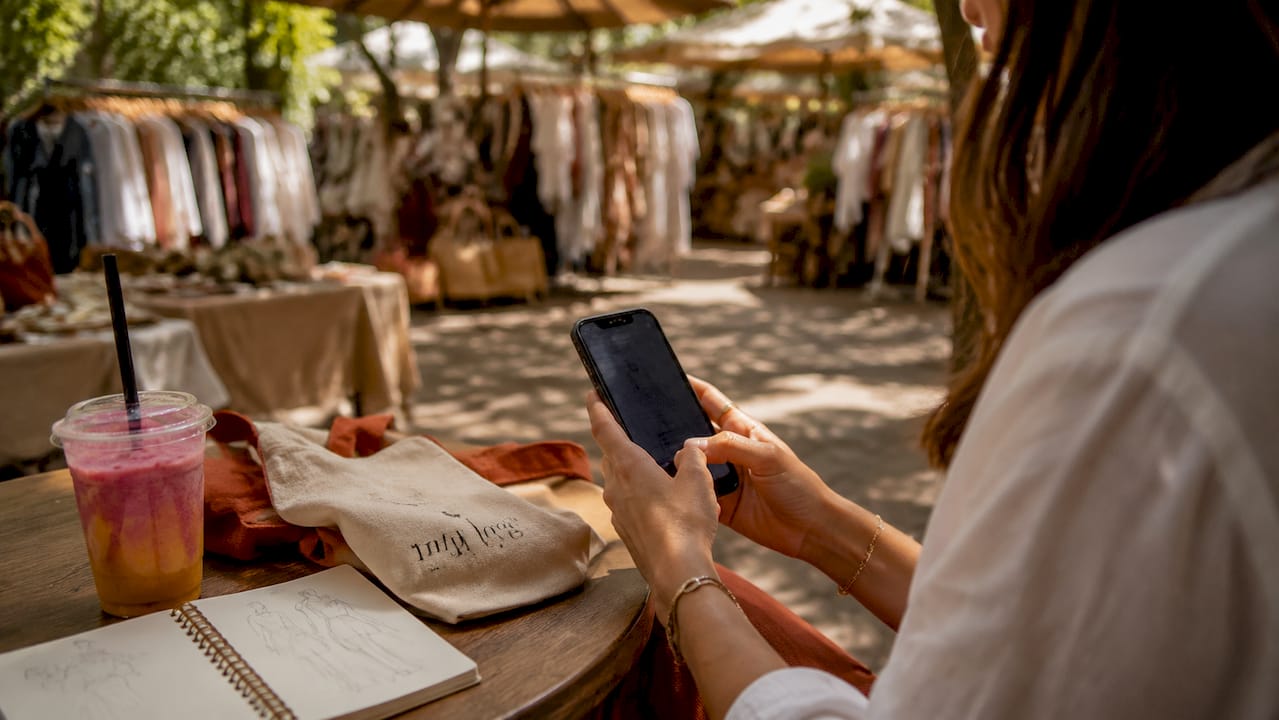
E-wallets make this worse. Research shows that e-wallet usage drives impulse buying with an impulse buying beta coefficient of 0.183 and impulsive spending dominating student consumption at a beta of 0.844. That means the easier it is to pay, the less likely students are to pause and reconsider.
Here is what drives student online fashion behaviour most strongly:
- Hyper-personalised feeds on TikTok and Instagram that mirror individual tastes and push emotional purchases
- One-click e-wallet payments via Apple Pay and Google Pay that remove friction from the checkout process
- Influencer marketing that blurs the line between genuine style advice and paid promotion
- Data-driven price tailoring where platforms adjust prices based on browsing history and location
- Limited digital literacy around identifying sponsored content and algorithmic manipulation
Pro Tip: Wait 24–48 hours before completing any online fashion purchase. Research confirms that delaying checkout reduces impulse buys driven by social media marketing and helps you avoid overspending regret.
What sustainable trends are shaping student fashion online?
Sustainable fashion is no longer a niche preference among students. It is the dominant trend in student shopping habits online in 2026. 68% of Gen Z shoppers now prioritise secondhand or sustainable fashion, and that figure reflects a genuine shift in values, not just budget pressure.
Thrifting has moved from necessity to identity. Students use platforms like Depop and online thrift stores to find one-of-a-kind pieces that express individuality while reducing waste. The shift from necessity to style expression means thrifting is now a primary means of building a personal aesthetic, not just a fallback when money is tight.
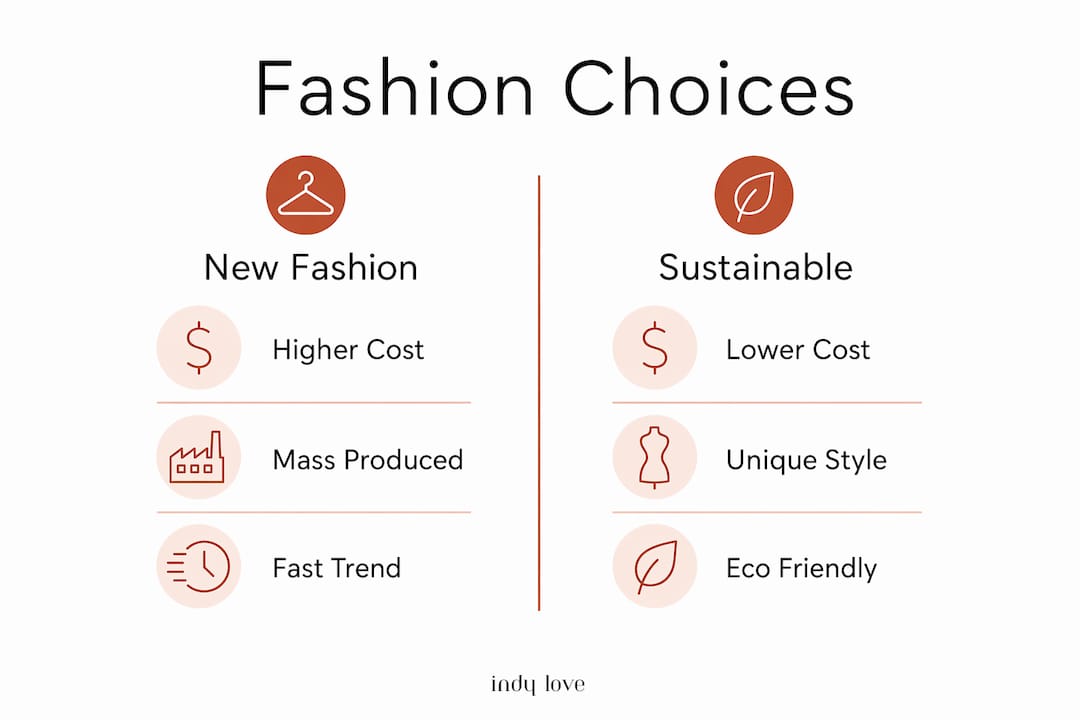
Circular fashion, where clothing is resold, swapped, or upcycled rather than discarded, is gaining real traction among students. Depop in particular has made it easy to both buy and sell within the same app, turning wardrobes into living, evolving collections. For a deeper look at how to approach this responsibly, sustainable fashion guides offer practical frameworks for building an eco-conscious wardrobe.
| Feature | New Fashion | Sustainable/Secondhand Fashion |
|---|---|---|
| Cost | Higher upfront price | Lower cost per item |
| Uniqueness | Mass-produced styles | One-of-a-kind finds |
| Environmental impact | Higher waste and emissions | Reduced waste, circular model |
| Trend lifespan | Short, seasonal | Timeless or vintage appeal |
| Budget fit for students | Requires careful planning | Naturally budget-friendly |
The table above shows why sustainable fashion wins on almost every metric that matters to students. Budget, individuality, and environmental values all point in the same direction.
Which strategies do students use to shop affordably online?
Smart students treat online fashion shopping like a skill, not a habit. The most effective approach combines multiple money-saving tools rather than relying on any single discount. The stacking method is the most effective way for students to save. It combines cashback programmes, price-drop trackers, and verified coupon codes to yield better discounts than platform coupons alone.
Here is a practical step-by-step approach to affordable fashion for students online:
- Activate cashback before you browse. Sign up for Rakuten and activate it before visiting any fashion site. You earn a percentage back on every qualifying purchase without changing how you shop.
- Track prices before you buy. Use a price-drop tracker like Bonanzer to monitor whether an item is genuinely on sale or just marked up before a fake discount.
- Search for verified codes. Check forums and verified coupon sites before checkout. Stacking a verified code on top of a sale price and cashback is where the real savings happen.
- Mix thrifted and new pieces. Build your wardrobe around secondhand staples from Depop and add new pieces selectively. This approach stretches your budget further than buying entirely new or entirely secondhand.
- Prioritise re-wearable staples. A versatile midi dress or a classic white shirt earns its place in your wardrobe across multiple outfits and occasions. Trendy statement pieces should be the minority, not the majority.
- Build a capsule wardrobe mindset. Aim for 15–20 core pieces that mix and match freely. This reduces the urge to buy something new for every event and cuts down on wardrobe waste.
The fashion tips at Indy Love are worth bookmarking if you want practical guidance on building versatile, budget-conscious outfits that actually work.
Pro Tip: Shop in incognito mode and clear your cookies regularly. Research shows that clearing browsing data limits social commerce platforms’ ability to track your habits and tailor prices upward based on your interest level.
How are social media and digital platforms changing student fashion commerce?
Social commerce is the fastest-growing channel in student fashion right now. TikTok Shop allows students to purchase directly from videos without leaving the app. Instagram’s shoppable posts turn every scroll into a potential transaction. These features compress the time between discovery and purchase to almost zero, which is exactly what impulse buying thrives on.
The risks are real. Social media algorithms mimic personalised advice but are designed to push emotional-response marketing. Students who lack digital literacy around sponsored content are the most vulnerable to overspending through these channels. Knowing how to spot a paid partnership label or a gifted product disclosure is now a genuine financial skill.
AI and virtual try-on tools are changing the equation in a more positive direction. Brands are beginning to offer augmented reality features that let you see how a garment fits your body type before purchasing. This reduces returns and helps students make more confident, considered choices. Understanding how photography shapes perception in online fashion is part of developing that digital literacy.
The key points every student should understand about social commerce:
- TikTok Shop and Instagram Shopping are designed to minimise friction between seeing and buying
- Influencer content is frequently paid promotion, even when it reads as personal recommendation
- Algorithm-driven feeds prioritise engagement over your actual style preferences
- AI personalisation tools can genuinely help with fit and colour matching when used intentionally
- Fashion is democratised among students today, with the focus shifting from chasing trends to building a confident, re-wearable personal style
The students who get the most out of social commerce are the ones who use it as a discovery tool rather than a shopping trigger. Browse with intention, save items to a wishlist, and revisit them after 48 hours before purchasing.
Key takeaways
Online shopping empowers students to build stylish, affordable wardrobes by combining sustainable choices, smart tools, and digital awareness to control spending and express genuine personal style.
| Point | Details |
|---|---|
| Impulse buying is the biggest risk | E-wallets and one-click payments increase impulsive spending; a 24–48 hour pause before checkout reduces this significantly. |
| Sustainable fashion leads student trends | 68% of Gen Z students prefer secondhand or sustainable fashion for both budget and individuality reasons. |
| Stacking saves the most money | Combining Rakuten cashback, Bonanzer price tracking, and verified codes yields better savings than any single discount method. |
| Digital literacy protects your budget | Recognising paid content and using incognito mode limits algorithmic price tailoring and emotional-response marketing. |
| Versatile staples beat trend chasing | Building a capsule wardrobe of re-wearable pieces reduces waste, saves money, and builds a more confident personal style. |
What i’ve learnt watching students shop smarter
The most striking shift I have observed in student fashion is not the rise of thrifting or the explosion of TikTok Shop. It is the growing confidence students bring to their purchasing decisions when they understand how the system works.
Students who learn to recognise algorithmic manipulation, use stacking strategies, and build capsule wardrobes are not depriving themselves of style. They are exercising genuine agency over their wardrobes and their finances. That is a meaningful distinction. The students who struggle most are the ones who treat social media as a style authority rather than a marketing channel.
My honest view is that the future of student fashion online will be shaped by two forces: AI curation tools that genuinely personalise recommendations based on body type and lifestyle, and sustainable fabrics that make new fashion more defensible from an environmental standpoint. Both trends reward students who shop with intention. The shift toward re-wearable, confident style over fleeting trends is the smartest thing happening in student fashion right now. Back yourself to build a wardrobe that reflects who you are, not what the algorithm served you this morning.
— Helen
Discover chic, affordable styles at indy love
If you are ready to build a wardrobe that is both trendy and budget-friendly, Indy Love has exactly what you need. The boutique offers a carefully curated range of women’s fashion designed for real life, from casual campus days to special events, all at prices that make sense for students.
Browse the full collection at Indy Love and discover must-have pieces like the versatile Alice Shirt Dress, the stunning Moda Maxi Dress, and the chic Lemonata Outfit Set. With free shipping on orders over $150 and fast delivery across Australia, Indy Love makes it easy to shop smart and look stunning. Explore the range now and find your next favourite outfit.
FAQ
What is the role of online shopping in student fashion?
Online shopping gives students access to affordable, trendy clothing across a wide range of styles and price points that physical stores cannot match. It also enables sustainable choices through platforms like Depop, making it the primary fashion channel for most students today.
How do students avoid overspending when shopping for clothes online?
Waiting 24–48 hours before completing a purchase significantly reduces impulse buying triggered by social media marketing. Combining this with cashback tools like Rakuten and price trackers like Bonanzer helps students maximise savings on every purchase.
Why do so many students prefer secondhand fashion online?
Research shows 68% of Gen Z students prefer secondhand or sustainable fashion because it offers lower prices, unique finds, and a way to express individuality that mass-produced clothing cannot replicate.
How does social media influence student fashion purchases?
Social media algorithms use hyper-personalised feeds to push emotional-response marketing, creating a participation trap that encourages impulsive spending. Students with stronger digital literacy, who can identify paid content and algorithmic manipulation, make more considered purchasing decisions.
What is the most effective way for students to save on online fashion?
The stacking method, which combines cashback programmes like Rakuten, price-drop trackers like Bonanzer, and verified discount codes, consistently delivers better savings than relying on platform sales or single coupons alone.