
Why dresses beat separates on a budget
A well-chosen dress is the most budget-friendly outfit a woman can own. It functions as a complete look in a single purchase, which is exactly why dresses beat separate pieces on a budget. While separates demand a matching top, bottom, and often a third piece to pull everything together, a dress arrives ready to wear. Indy Love stocks a curated range of dresses that prove stylish and affordable are not mutually exclusive. The cost-per-wear advantage, the time saved each morning, and the reduced impulse buying all point to the same conclusion: dresses deliver more value per dollar than separates.
Why dresses beat separate pieces on a budget
Dresses eliminate the coordination problem that makes separates expensive. When you buy a top and a skirt separately, you often need a third or fourth piece to make the outfit work. A belt, a layer, or a different shoe can turn a mismatched look into an accidental shopping trip. Dresses remove that proportion math entirely, saving the money you would otherwise spend fixing outfits that almost work.
The financial case for dresses also rests on the cost-per-wear concept. Cost-per-wear is the purchase price divided by the number of times you wear a garment. A $120 dress worn 40 times costs $3 per wear. A $40 top and a $50 skirt that only pair well together, worn 10 times each, cost $9 per wear combined. High-quality dresses outperform fast-fashion separates on this measure every time.
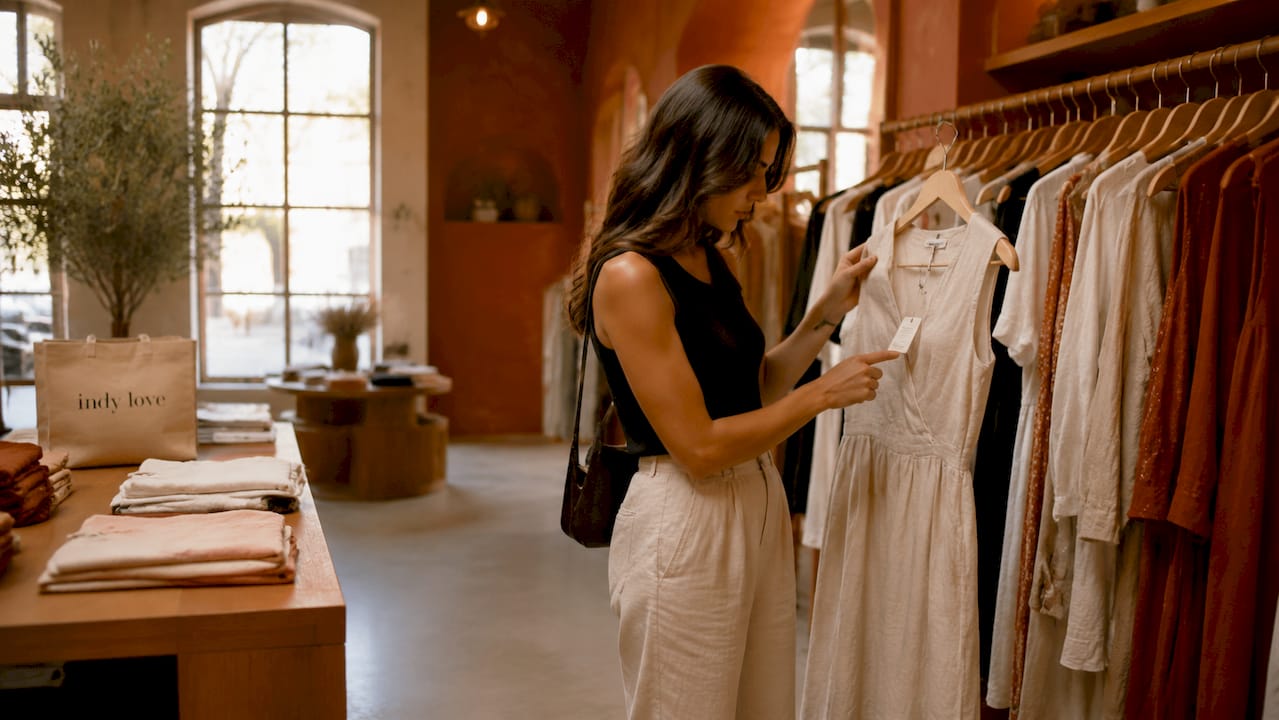
The biggest misconception about dresses is that they are less versatile than separates. Dresses simplify styling and reduce budget leaks from poor outfit matching. That misconception costs women real money each season.
How dresses simplify your wardrobe and cut decision fatigue
Dresses are the original “one and done” outfit. You pull one piece from the wardrobe, and you are dressed. No scanning through tops to find one that works with the skirt. No realising the skirt is at the dry cleaner. The outfit is complete the moment you choose the dress.
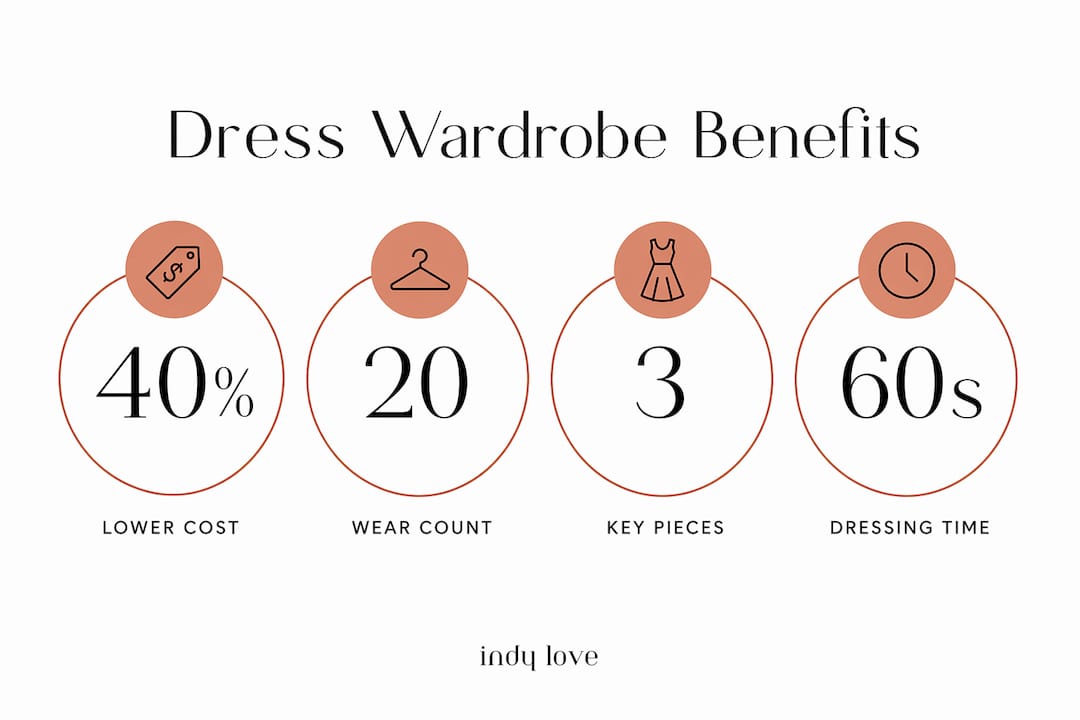
Dressing time with a dress drops to approximately 45 seconds compared to coordinating separates. That is not a trivial saving across a busy week. Less time deciding what to wear also means less mental energy spent before your day has even started.
A dress-centric wardrobe of 8–10 pieces reduces clutter and cuts the cost of unnecessary items. Fewer pieces means fewer decisions, and fewer decisions means less fatigue. That mental clarity has a real effect on confidence.
The practical benefits for busy women are clear:
- One garment replaces a two or three piece outfit instantly
- No mismatched combinations to stress over in the morning
- Fewer items in the wardrobe means less clutter and less spending
- A polished look is achievable without styling expertise
- Accessories do the work of personalising, not extra purchases
Pro Tip: Build your wardrobe around 3–4 dresses in neutral or classic prints first. They will carry you through more occasions than an equivalent spend on separates.
Are dresses actually more cost-effective than separates?
The answer is yes, and the numbers make it clear. One quality dress outperforms five cheap fast-fashion alternatives over 12 months because it holds its shape, colour, and fabric condition far longer. Cheap separates fade, stretch, and pill quickly. You replace them more often, and each replacement adds to your total spend.
Consider a practical comparison:
| Wardrobe approach | Upfront cost | Replacements in 12 months | Total annual spend |
|---|---|---|---|
| 1 quality dress | $120 | 0 | $120 |
| 5 cheap fast-fashion separates | $100 | 2–3 cycles | $200–$300 |
| 2 mid-range separates (top + skirt) | $90 | 1 cycle | $180 |
The table shows what fashion editors have known for years. Spending more on one good dress costs less over time than cycling through cheap separates. The replacement cycle is the hidden cost that most shoppers miss.
A single maxi dress covers multiple occasions and shrinks overall wardrobe expenditure by removing the need for separate occasion-specific purchases. A maxi worn to a work lunch, a weekend market, and a friend’s birthday dinner is doing the work of three different outfits. That is genuine budget efficiency.
Pro Tip: Check the fabric composition before buying. Natural fibres like cotton, linen, and viscose hold their shape and colour wash after wash, giving you a far better cost-per-wear result than synthetic blends.
How one dress can replace multiple separate pieces
Versatility is where dresses genuinely outshine separates. A well-cut dress adapts to different occasions with a change of shoes and accessories alone. You do not need a new outfit. You need a different bag and a different shoe.
Maxi dresses outperform minis and midis in versatility, covering occasions from casual to formal and travel with minimal restyling. A maxi in a solid colour or subtle print is one of the most efficient purchases in a budget wardrobe. It travels well, layers easily, and reads as dressed up or casual depending on how you style it.
Midi and mini dresses each have their strengths too:
- Midi dresses move from office to dinner with a heel swap and a blazer
- Mini dresses work for casual days, beach outings, and evening events with tights in cooler months
- Maxi dresses cover the widest occasion range and require the least restyling between events
- Shirt dresses like the Alice Shirt Dress layer over jeans in winter or stand alone in summer
Separates often trigger impulse buying when an outfit does not come together. Dresses provide a polished look without the extra spending or mixing challenges that separates create. That impulse control alone saves a meaningful amount each season.
Pro Tip: A wrap-style or adjustable dress works across body changes and weight fluctuations, extending its wearable life and keeping your cost-per-wear low for longer.
Sustainability and long-term value in a dress-focused wardrobe
Choosing dresses over separates is also a more sustainable approach to fashion. Fewer garments purchased means less textile waste. A wardrobe built on quality dresses generates fewer discarded pieces each year than one built on fast-fashion separates that wear out quickly.
The fashion industry’s focus on longevity and reduced consumption aligns directly with the dress-first approach. Timeless silhouettes in quality fabrics do not go out of style the way trend-driven separates do. A classic fit guide for buying dresses online helps you choose pieces that will last seasons, not just weeks.
“Buying one quality dress instead of five cheap pieces is not just a budget decision. It is a decision to consume less and waste less.”
The long-term financial savings extend well beyond the purchase price:
- Fewer replacements reduce annual clothing spend significantly
- Quality fabrics require less frequent washing, cutting utility costs
- Timeless styles avoid the cost of trend-driven wardrobe refreshes
- Durable construction means fewer repairs and alterations
- A smaller wardrobe is easier to store, care for, and maintain
Dresses offer superior economics through cost-per-wear and reduced replacement costs typical of fast-fashion separates. That economic advantage compounds over time. A woman who invests in quality dresses rather than cheap separates will spend less on clothing over three years, not more.
Key takeaways
Dresses beat separate pieces on a budget because they reduce total garment purchases, lower cost-per-wear, and eliminate the impulse spending that mismatched separates create.
| Point | Details |
|---|---|
| Cost-per-wear advantage | One quality dress worn frequently costs far less per wear than cheap separates replaced each season. |
| Decision fatigue savings | A dress-first wardrobe of 8–10 pieces cuts morning dressing time and reduces mental energy spent on outfits. |
| Impulse buy reduction | Dresses eliminate the proportion-matching problem that sends shoppers back to buy extra pieces. |
| Versatility across occasions | Maxi, midi, and shirt dresses each cover multiple occasions with only accessories changed between events. |
| Sustainability benefit | Fewer, higher-quality dresses generate less textile waste and lower annual clothing spend over time. |
What I have learned from switching to a dress-first wardrobe
The shift away from separates was one of the best wardrobe decisions I have made. I used to spend more time staring at a wardrobe full of clothes than actually getting dressed. The problem was not a lack of options. It was too many half-finished outfits that needed one more piece to work.
Switching to dresses removed that friction entirely. I stopped buying tops to fix skirts and skirts to fix tops. My wardrobe got smaller, my spending dropped, and I felt more confident walking out the door. A dress just looks intentional in a way that a thrown-together separate combination rarely does.
Dresses give a confidence boost by presenting an effortless, cohesive look. That is not a small thing. Feeling put together without effort is genuinely freeing, especially on busy mornings. The styling freedom you get from a great dress, layered with a jacket or dressed up with heels, is far greater than the freedom of mixing separates that never quite match.
My advice for anyone starting out: choose three dresses in versatile colours or prints, check the fashion curation principles that help you build a wardrobe with intention, and resist the urge to fill gaps with cheap separates. You will spend less, stress less, and look better for it.
— Helen
Chic, affordable dresses at Indy Love
Indy Love carries a curated selection of dresses built for exactly this kind of wardrobe thinking. Each piece is chosen for versatility, quality, and value, so you get more wear from every dollar you spend.
The Melanie Chiffon Floral Print Puff Sleeve Midi Dress moves from brunch to a work event without a wardrobe change. The Aurora Sun Dress is a casual staple that layers beautifully into cooler months. Both pieces exemplify the budget-friendly outfits approach: one purchase, multiple occasions, lasting quality. Free shipping applies on orders over $150, making it easy to build your dress-first wardrobe in one go. Shop the full women’s fashion collection at Indy Love and find the pieces that work hardest for your budget.
FAQ
Why do dresses cost less to wear than separates?
Dresses have a lower cost-per-wear because one purchase covers a complete outfit. Separates require multiple items that each add to the total spend, and cheap separates need replacing more often.
How many dresses do I need for a budget wardrobe?
A wardrobe of 8–10 well-chosen dresses covers most occasions without excess spending. Fewer pieces means less clutter, less decision fatigue, and a lower total clothing budget.
Are maxi dresses the most versatile option?
Maxi dresses cover the widest range of occasions from casual to formal with minimal restyling. They travel well, layer easily, and require fewer accessories to look polished.
Do dresses really reduce impulse buying?
Yes. Dresses eliminate the proportion-matching problem that drives impulse purchases of extra tops, belts, or layers. A complete outfit in one piece removes the trigger for unplanned spending.
What fabric should I look for in a budget-friendly dress?
Natural fibres like cotton, linen, and viscose hold their shape and colour through repeated washing. They deliver a better cost-per-wear result than synthetic blends that pill and fade quickly.