How to choose the right clothing size online in 2026
How to choose the right clothing size online: the quick method
Getting your size right starts with four measurements: bust, waist, hips, and inseam. Once you have those numbers, compare them directly to the specific brand’s size chart for the garment you want. That single step eliminates most sizing guesswork before you even add anything to your cart.
Here’s the reliable process, start to finish:
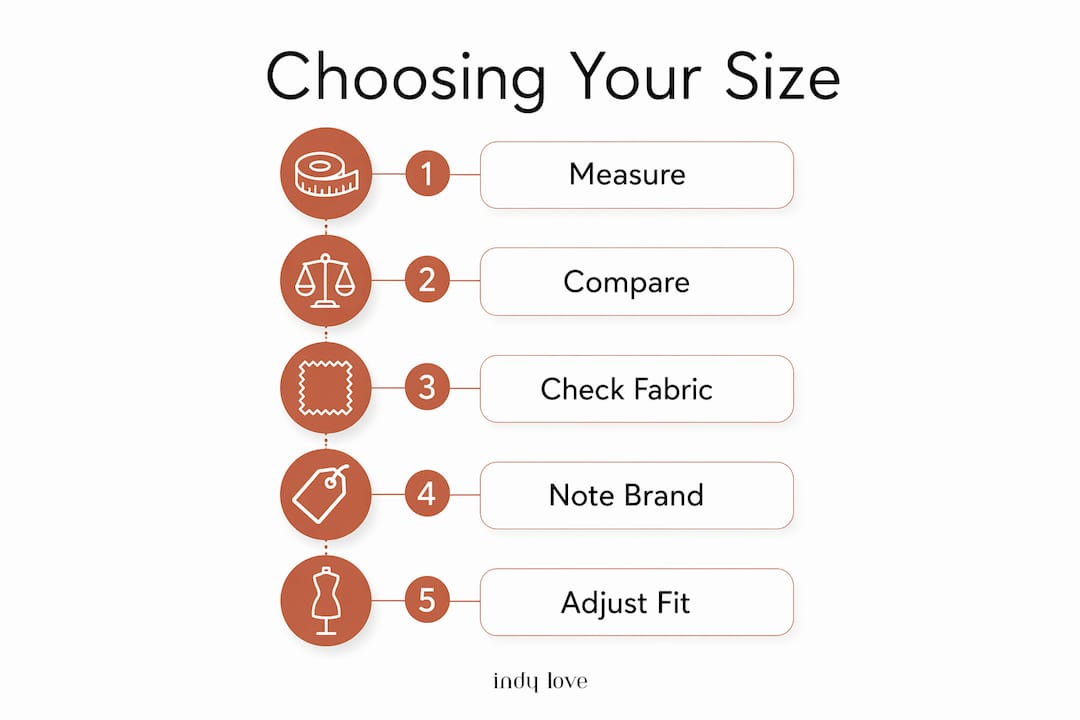
- Take your measurements first. Use a flexible tape measure over minimal clothing. Record bust (fullest point), waist (narrowest point above your belly button), hips (fullest part around your glutes), and inseam (crotch to hem).
- Go straight to the brand’s size chart. Generic size guides are a starting point only. Every brand defines sizes differently, so match your numbers to their chart for that specific garment.
- Factor in fabric and fit. If your measurements fall between two sizes, the fabric decides. Stretchy knits and jersey can go down a size; structured, non-stretch fabrics like denim or woven cotton need the larger size for comfort.
- Read the customer reviews. Look for comments on whether the item runs small, large, or true to size. Customer reviews complement AI fit tools by revealing real-world fabric behaviour and sizing quirks.
- Keep a brand size record. Note which size worked in which brand and style. This becomes your personal cheat sheet for every future purchase.
- Use virtual fit tools where available. Many online stores now offer size recommendation features. They ask a few quick questions and factor in the garment’s actual cut, not just the label.
Pro Tip: Lay your favourite well-fitting garment flat on a smooth surface and measure it. Compare those dimensions to the brand’s size chart. This flat-lay method sidesteps posture and tension errors that can creep into body measurements.
Why clothes still don’t fit even when you pick the “right” size
Australian sizing is genuinely inconsistent, and it’s not your fault. No official adult clothing size standard has existed in Australia since 2009, meaning every brand sets its own sizing based on sales history, marketing hunches, and its idea of an ideal customer.
- Vanity sizing is widespread. Brands deliberately label garments smaller than their actual dimensions because shoppers respond emotionally to wearing a smaller number. A size 10 at one retailer can be cut the same as a size 14 at another.
- Manufacturing tolerances add variation. Mass offshore production means even garments with the same label from the same brand can differ in actual dimensions. A slip of a few millimetres when cutting fabric across a large batch creates a pile of “size 12” garments that all fit slightly differently.
- Brands rely on outdated customer profiles. Many sizing systems were built on body data that no longer reflects how Australian women are shaped today.
- Men’s sizing is more consistent but not immune. Numeric measurements (waist in inches or centimetres) are more reliable, but representation sizing like S, M, L is increasingly common in menswear and carries the same inconsistencies.
- Size labels are indicators, not guarantees. Treat them as a rough starting point, not a definitive answer.
The practical takeaway: never assume your size in one brand transfers to another. Your measurements are the only constant.
How to measure yourself accurately at home
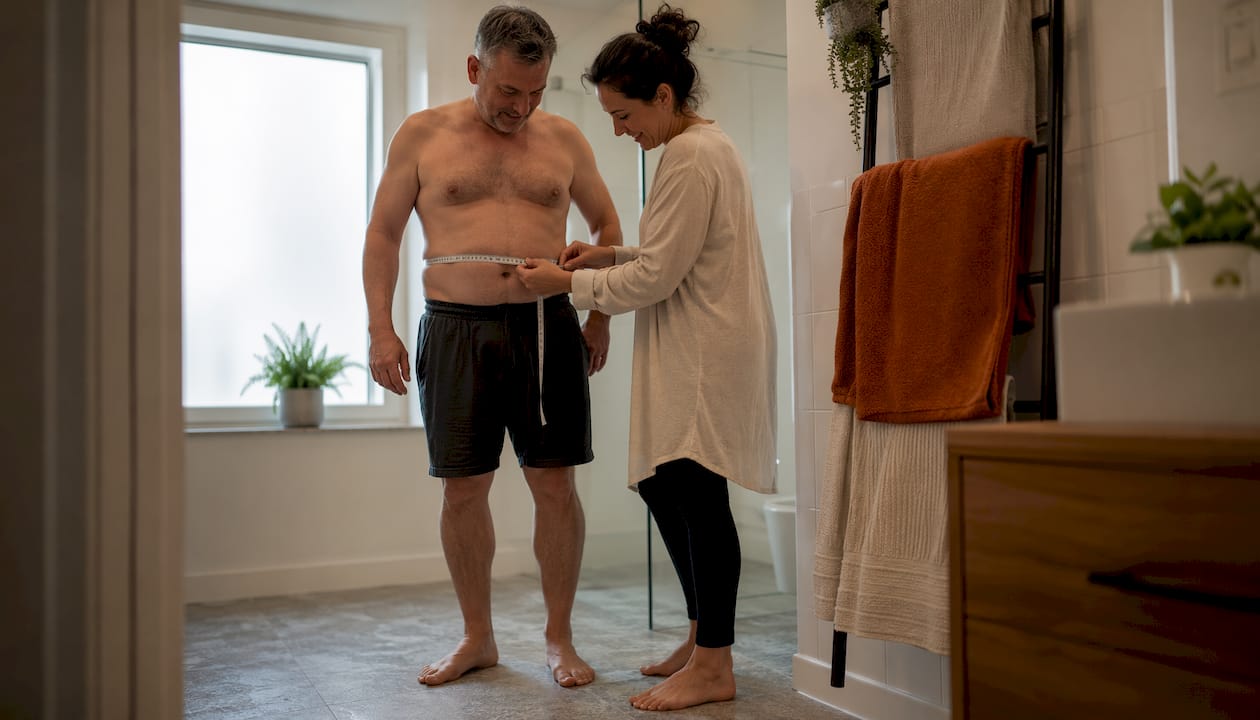
Accurate measurements are the foundation of finding the perfect clothing fit. You need a flexible, non-stretch tape measure (the kind used by tailors), minimal or form-fitting clothing, and a flat wall to stand against.
What to measure:
- Bust. Wrap the tape around the fullest part of your chest, keeping it level across your back. Your arms should rest at your sides. The tape should sit flat and snug but not dig in. You should be able to slide one finger underneath it.
- Waist. Measure around the narrowest part of your natural waistline, roughly at belly button height. Stay relaxed. Don’t hold your breath or pull the tape tight.
- Hips. Stand with your feet about 15 cm apart. Wrap the tape around the fullest part of your hips and glutes, keeping it level all the way around.
- Inseam. Measure from the crotch seam down to the bottom of the leg on a pair of well-fitting trousers laid flat. This is the most reliable method for getting pant length right.
Common mistakes to avoid:
- Measuring over bulky clothing, which adds centimetres that aren’t there
- Pulling the tape too tight, which gives a falsely small reading
- Measuring only once. Take each measurement twice and use the average if the numbers differ
- Slouching or tensing up, which changes your body’s dimensions
Tools that help:
- A soft tailor’s tape measure (available at fabric shops and most pharmacies)
- A full-length mirror to check tape positioning
- A pen and notepad, or your phone’s notes app, to record measurements immediately
Once you have your numbers, measuring your body accurately with a flexible tape is the most reliable foundation for comparing against any brand’s size chart.
How to use size charts and fit descriptions to get it right
A brand’s size chart is only useful when you apply it to the right garment. Sizes differ not just between brands but between styles within the same brand, so always pull up the chart for the specific item you’re buying.
Reading fit descriptors:
- Slim fit sits close to the body with little ease. If you’re between sizes, go up.
- Relaxed fit has extra room built in. Your measurements can sit at the lower end of the size range.
- Oversized is intentionally large. Sizing down is often correct here.
- Stretch fabrics (jersey, elastane blends) are forgiving. A snug measurement can work.
- Structured, non-stretch fabrics (woven cotton, denim without elastane, linen) need more room. When in doubt, size up.
Pro Tip: Keep a running note on your phone with your confirmed size for each brand you shop regularly. Include the style type (e.g., “Brand X dresses: size 12, relaxed fit”). This personal size record is the fastest way to shop confidently without re-measuring every time.
When your measurements fall between two sizes, fabric is the deciding factor. Stretchy, form-fitting garments can accommodate the smaller size; structured pieces need the larger one for comfort and mobility. For buying dresses online, this distinction between fabric types is especially worth noting before you commit.
International size conversions add another layer. Australian sizing generally aligns with UK sizing but differs from US and EU systems. A US size 8 is roughly an Australian size 12; a European size 40 is approximately an Australian size 14. Always check the brand’s own conversion chart rather than relying on general tables, as individual brands vary.
For lingerie and intimates, sizing works differently again. Getting the right fit for bras and underwear involves its own set of measurements. A dedicated guide on choosing lingerie sizes online covers the specifics well.
Australian sizing insights and expert tips for confident online shopping
The average Australian woman is a size 14–16 and weighs 71.1 kg, yet the majority of fashion produced and sold in Australia is still cut to older, smaller size profiles. That gap between real bodies and retail sizing is a direct consequence of brands building their size charts around outdated customer data rather than current body measurements.
Since no mandatory sizing standard exists for adult clothing in Australia, every brand operates independently. The result is that a size 12 at one label can vary considerably compared to the same label at another, leading to differences in fit regardless of the label number, with no obligation to disclose the difference.
Expert advice for navigating this confidently:
- Build a brand-specific size record. Keeping a personal record of your confirmed sizes across brands, combined with fit prediction tools that draw on your purchase history, is the most reliable method for consistent online sizing.
- Use fit prediction tools. A growing number of online retailers offer size recommendation features that factor in your height, weight, and past purchases. Use them when available.
- Read reviews strategically. Sort by lowest and highest ratings first. Passionate reviewers, both positive and negative, tend to give the most specific feedback on fit, fabric stretch, and whether sizing runs true.
- Shop with boutiques that provide clear size guides. Indy Love offers detailed size guidance and real customer reviews alongside each product, which takes much of the guesswork out of finding your fit. Checking boutique size guides before you buy is a habit worth forming.
- Check the returns policy before purchasing. Even with careful measuring, fit can surprise you. A clear, flexible returns and exchange policy is your safety net.
Discover your perfect fit with Indy Love
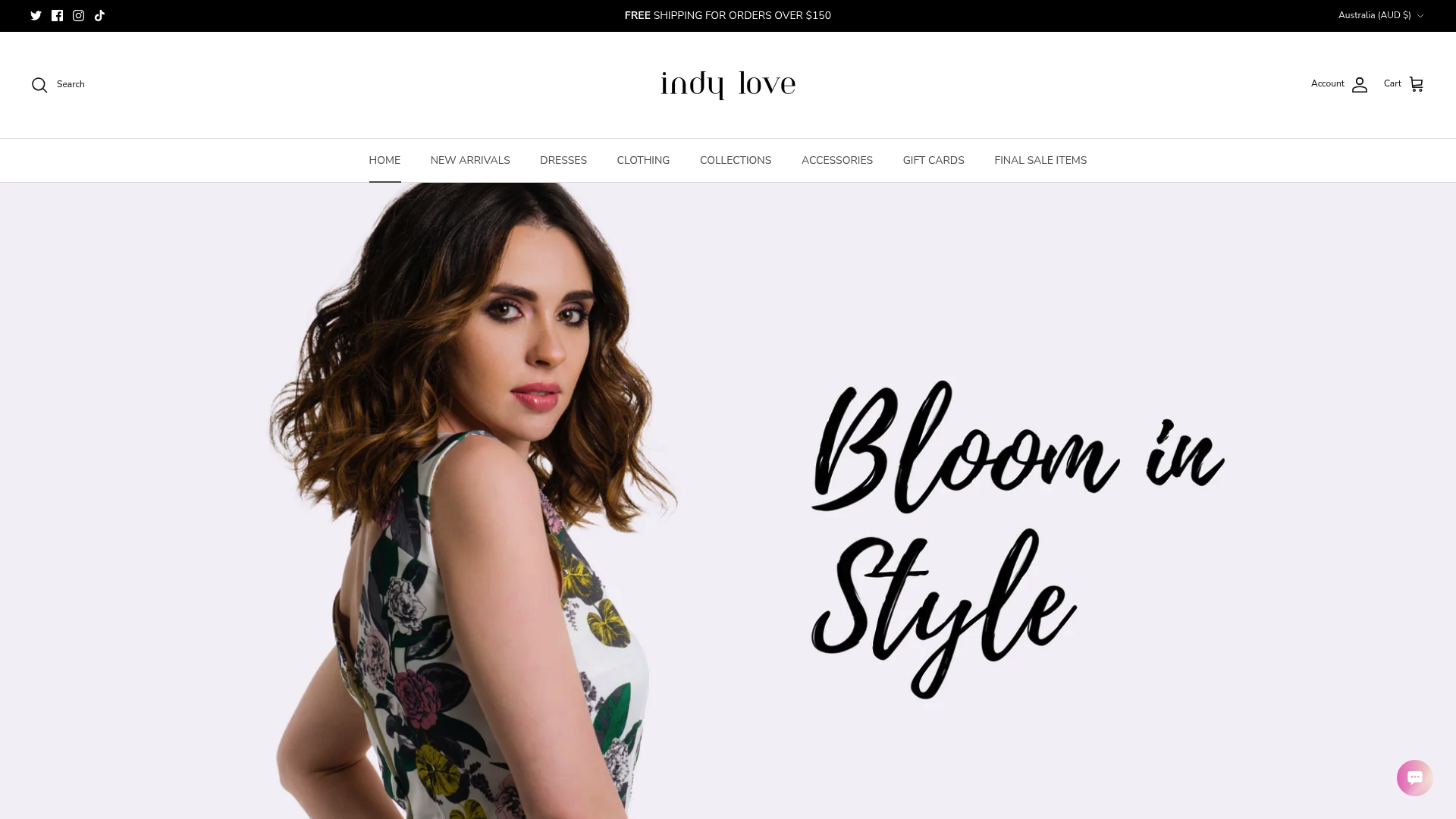
Knowing your measurements is one thing. Finding chic, trendy pieces that actually fit your body is where the real fun begins. At Indy Love, every product listing comes with a detailed size guide and genuine customer reviews so you can shop with confidence, not guesswork.
Whether you’re after a stunning occasion dress or a must-have everyday look, the Passion Dress and the Moda Maxi Dress are two of our most-loved styles right now, both with clear fit notes to help you land the right size first time. Free shipping on orders over $150 across Australia.
Key takeaways
Accurate body measurements compared against a brand’s specific size chart, combined with fabric awareness and customer review insights, give you the most reliable path to the correct size when shopping online.
| Point | Details |
|---|---|
| Measure four key areas | Take bust, waist, hips, and inseam with a flexible tape measure over minimal clothing. |
| Use brand-specific size charts | Never rely on generic sizing; match your measurements to the chart for that exact garment. |
| Fabric determines your choice between sizes | Stretchy fabrics allow the smaller size; structured, non-stretch items need the larger one. |
| Australian sizing has no official standard | No mandatory adult sizing standard has existed since 2009, so sizes vary widely between brands. |
| The average Australian woman is size 14–16 | Retail sizing often lags behind real body data, making personal measurements even more important. |
Recommended
- How to navigate online boutique size guides with confidence – Indy Love Boutique
- Types of women’s clothing boutiques online: 2026 guide – Indy Love Boutique
- Read fashion boutique reviews: your 2026 shopping guide – Indy Love Boutique
- How to shop online fashion sales smartly in 2026 – Indy Love Boutique