
Role of email lists in boutique shopping: 2026 guide
Email lists are the single most reliable owned channel a boutique has for driving sales and keeping customers engaged. Unlike social media, your email list belongs to you. No algorithm decides who sees your message. For fashion boutiques competing in a crowded online market, that direct line to your customers is worth more than any follower count. This guide covers the role of email lists in boutique shopping, from revenue benchmarks and list-building tactics to platform comparisons and automation flows that turn subscribers into repeat buyers.
How do email lists drive revenue for boutiques?
Email marketing is a direct revenue engine for fashion boutiques, not just a communication tool. Fashion brands running all seven key email tactics can attribute 30–40% of total revenue to email. That figure puts email ahead of paid social and organic search for many boutiques.
The broader ecommerce picture confirms the trend. Email contributes around 27% of total ecommerce revenue on average, with the fashion and apparel vertical posting open rates near 33%. Those numbers set a realistic floor for what a well-run boutique email programme can achieve.
One boutique reported that email became its highest sales driver after moving to weekly sends. That outcome is not unusual. Consistent sending builds familiarity, and familiarity drives clicks and purchases.

Measurement does require care. Apple Mail Privacy Protection inflates open rates, making opens an unreliable metric. Boutiques should track clicks and purchase data instead. Those two signals give you a true picture of who is actually engaging with your emails.
Key revenue drivers for boutique email marketing include:
- Segmented campaigns targeting specific customer groups with relevant offers
- Automated flows such as welcome series, abandoned cart, and win-back sequences
- Restock and waitlist alerts sent to high-intent subscribers
- Post-purchase sequences that encourage repeat buying and reviews
What are the best tactics for building a boutique email list?
List quality beats list size every time. A boutique with 2,000 engaged subscribers will consistently outperform one with 20,000 cold contacts. The goal is to attract people who genuinely want to hear from you.
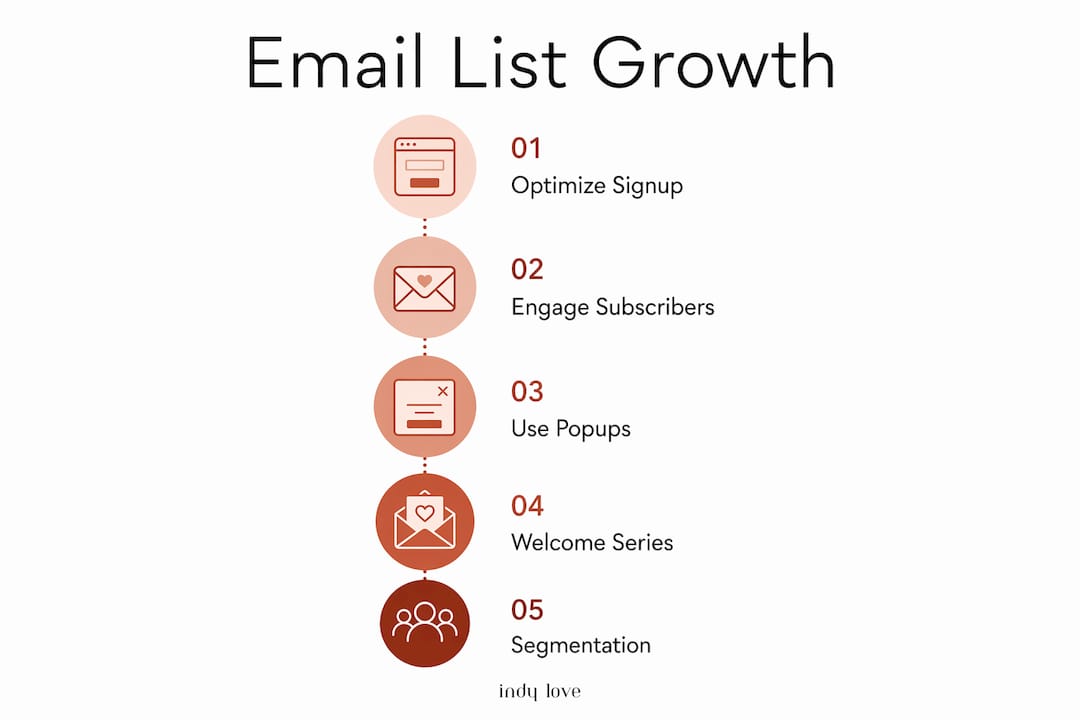
Organic sign-up methods are the most effective starting point. Stacking exit-intent popups, checkout opt-ins, and mobile forms can yield a 3–5% site-wide email capture rate within 30 days. That rate is achievable for most boutiques without spending on paid acquisition.
The sign-up incentive matters enormously. Generic discount codes attract bargain hunters who unsubscribe after redeeming the offer. Targeted lead magnets work better. Early access to new arrivals, restock alerts for sold-out styles, and exclusive sale previews attract customers who are genuinely interested in your products. These subscribers stay on your list and buy again.
- Add an exit-intent popup with a clear, specific offer (early access, not just “10% off”)
- Include an opt-in checkbox at checkout for customers already buying from you
- Use a mobile-optimised sign-up form on your Instagram bio or link-in-bio page
- Promote your list in post-purchase emails by highlighting what subscribers receive
- Run restock alert sign-ups on sold-out product pages to capture high-intent demand
Once someone signs up, the welcome sequence is your most important asset. Welcome emails see open rates of 50–80% because subscribers sign up just before the series arrives. That window is your best chance to set expectations, showcase your best products, and build a connection before the novelty fades.
Pro Tip: Never buy an email list. Purchased lists deliver low engagement, damage your sender reputation, and carry legal risks under Australian Privacy Act obligations. Every subscriber on your list should have opted in directly.
How do Shopify Email and Klaviyo compare for boutiques?
Choosing the right email platform shapes what your boutique can actually do with its list. The two most common options for fashion boutiques on Shopify are Shopify Email and Klaviyo.
Shopify Email provides basic automation while Klaviyo offers advanced segmentation and behavioural flows suited to boutiques wanting higher ROI. The right choice depends on your list size, budget, and how much you want to personalise your sends.
| Feature | Shopify Email | Klaviyo |
|---|---|---|
| Automation flows | Basic (welcome, abandoned cart) | Advanced (browse abandonment, win-back, VIP) |
| Segmentation | Limited, order-based | Behavioural, predictive, custom |
| Pricing model | Included with Shopify plan | Based on list size |
| Ease of use | Very simple, native to Shopify | Moderate learning curve |
| Best for | Boutiques just starting out | Boutiques scaling email revenue |
Shopify Email suits boutiques that are new to email marketing and want a low-cost starting point. It handles the basics well and requires no additional integration. Klaviyo suits boutiques that are ready to build segmented flows and want to connect purchase history, browse behaviour, and product data to their sends. The difference in revenue potential between the two platforms grows significantly as your list scales.
How can boutiques use segmentation and automation to increase sales?
Segmentation is the practice of dividing your email list into groups based on behaviour, purchase history, or preferences. It is the single biggest lever for increasing email revenue without increasing send frequency.
Personalisation and behavioural triggers deliver 40% more revenue than average performers in boutique email marketing. That gap exists because generic broadcasts treat a first-time browser the same as a loyal repeat buyer. Segmentation fixes that.
Effective segments for fashion boutiques include:
- VIP customers who have purchased three or more times in the past 12 months
- Recent purchasers within the last 30 days who are primed for a cross-sell
- Browse abandoners who viewed a product but did not add it to their cart
- Waitlist and restock subscribers who have signalled high intent for a specific item
- Lapsed customers who have not purchased in 90 or more days
Waitlist and restock segments should not be grouped with generic VIP promotions. These subscribers have already shown intent for a specific product. Sending them a targeted restock alert converts at a far higher rate than a broad promotional email.
Automated flows are where boutique email revenue compounds. Lifecycle flows including welcome, cart abandonment, post-purchase, and win-back sequences contribute disproportionately to email revenue despite being fewer sends. A well-built abandoned cart flow alone can recover a meaningful share of lost revenue every month.
Pro Tip: Track your flow revenue and campaign revenue separately in Klaviyo or your chosen platform. Flow revenue tends to grow steadily in the background, while campaign revenue fluctuates with your send schedule. Knowing the split helps you prioritise where to invest your time.
Email marketing has shifted from one-time announcements to an always-on revenue engine through segmentation and automation. Boutiques that build their flows first and campaigns second consistently see stronger returns. The importance of email lists becomes clear when you see how much revenue runs through automated sequences that require no ongoing effort after setup.
Key takeaways
Email lists are the most reliable owned channel for boutique revenue growth, and the boutiques that win are those who prioritise list quality, automation, and behavioural segmentation over broadcast volume.
| Point | Details |
|---|---|
| Email drives significant revenue | Fashion boutiques running strong email tactics attribute 30–40% of total revenue to email. |
| List quality beats list size | Engaged subscribers built through organic opt-ins outperform large purchased lists every time. |
| Welcome emails are your best asset | Open rates of 50–80% make the welcome sequence the highest-impact email you will send. |
| Flows outperform campaigns | Automated lifecycle flows generate disproportionate revenue relative to the number of sends. |
| Measure clicks, not opens | Apple Mail Privacy Protection distorts open rates; use clicks and purchases to gauge real engagement. |
Why I think most boutiques are leaving email money on the table
The boutiques I see struggling with email share one habit: they treat their list like a broadcast channel. They send a sale announcement, get a spike in revenue, and then go quiet for three weeks. That pattern trains subscribers to wait for discounts and ignore everything else.
The boutiques that genuinely grow through email think about their list differently. They build flows first. A welcome series that runs automatically. An abandoned cart sequence that fires within an hour. A win-back campaign that goes out at the 90-day mark. These flows run in the background and generate revenue whether or not you send a campaign that week.
List quality is the other thing most boutique owners underestimate. A list of 1,500 people who open, click, and buy is worth more than 15,000 cold contacts who drag your deliverability down. Suppressing unengaged subscribers feels counterintuitive when you have worked hard to grow your numbers. But assigning priority to list quality over list size drives stronger deliverability and better revenue outcomes. The maths always works out in favour of the clean list.
The future for boutiques investing in email is genuinely exciting. Behavioural segmentation is getting more accessible, and tools like Klaviyo make it possible for a small team to run sophisticated flows without a dedicated marketing department. The boutiques that build these systems now will have a compounding advantage over those still sending one-size-fits-all newsletters.
— Helen
Chic styles worth sharing: Indy Love’s email-worthy picks
Indy Love knows that the best email lists are built around products people genuinely want to hear about. When your boutique stocks pieces that customers are excited to receive updates on, sign-ups happen naturally.
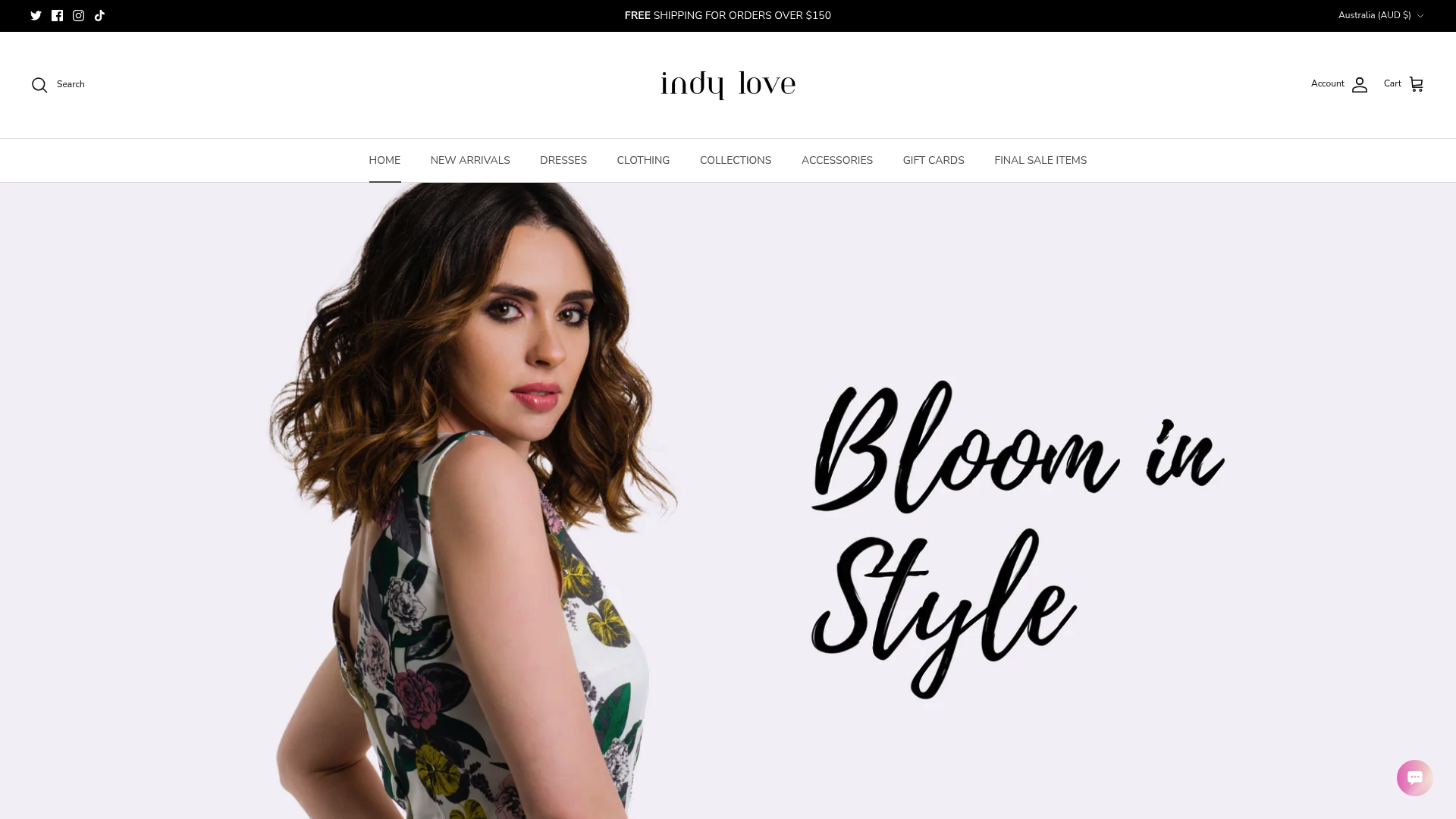
Right now, the Anna Knit Set is exactly the kind of must-have that belongs in a restock alert or new arrivals email. Chic, versatile, and perfect for everything from casual weekends to styled-up outings, it is the piece your subscribers will thank you for flagging. Browse the full Indy Love collection and see what your next email campaign could be built around. With free shipping on orders over $150 and fast delivery across Australia, your customers have every reason to click through.
FAQ
What is the role of email lists in boutique shopping?
Email lists give boutiques a direct, owned channel to reach customers without relying on social media algorithms. They drive both online sales and repeat purchases through targeted campaigns and automated flows.
How much revenue can a boutique expect from email marketing?
Fashion boutiques running strong email tactics can attribute 30–40% of total revenue to email. The broader ecommerce average sits around 27%, making email one of the highest-returning channels available.
What is the best email platform for a fashion boutique?
Shopify Email suits boutiques starting out, while Klaviyo is the stronger choice for boutiques wanting advanced segmentation and behavioural automation. The right platform depends on your list size and how much personalisation you want to build.
How do I grow my boutique email list quickly?
Stacking exit-intent popups, checkout opt-ins, and mobile sign-up forms can achieve a 3–5% site-wide capture rate within 30 days. Targeted lead magnets like early access and restock alerts attract higher-quality subscribers than generic discount codes.
Why should boutiques avoid buying email lists?
Purchased lists deliver low engagement, damage sender reputation, and carry legal risks under Australian privacy obligations. Every subscriber should opt in directly to protect your deliverability and list quality.