What is functional fashion: your complete 2026 guide
Functional fashion is defined as clothing purposefully designed to integrate health, performance, and utility benefits with stylish aesthetic appeal, moving away from purely trend-driven garments. This approach, also known in the industry as “utilitarian fashion” or “performance dressing,” treats your wardrobe as a tool rather than a costume. The result is clothing that supports your body, adapts to your day, and still looks chic doing it. For Australian women who want their wardrobe to work as hard as they do, understanding what makes fashion functional is the first step to dressing with real intention.
What is functional fashion and how is it defined?
Functional fashion is clothing designed with health, performance, or utility benefits built directly into the garment, without sacrificing visual style. The key word is “integrated.” The functionality is not an afterthought or a trade-off. It is woven into the fabric, the cut, and the construction from the very beginning.
The concept sits at the intersection of two consumer demands: the desire to look polished and the need to feel comfortable and supported throughout a full day. Think posture-supporting waistbands, temperature-regulating fabrics, and hidden pockets that do not disrupt a clean silhouette. These features address real physical needs, not just visual ones.
The industry term “utilitarian fashion” captures the broader movement, which has gained serious traction in Australia. Australian search interest in natural fibre activewear surged by 800% in early 2026. That figure signals a fundamental shift in what Australian women expect from their clothes, not just how they look, but how they perform.
What features and materials define functional fashion?
The materials used in functional garments separate them immediately from purely aesthetic pieces. Technical fabrics are the foundation.
Key fabric and construction features include:
- Moisture-wicking textiles that pull sweat away from the skin, keeping you dry and comfortable during active or warm days
- Breathable weaves such as open-knit structures or natural fibres like merino wool and bamboo, which regulate body temperature across seasons
- Durable synthetics including ripstop nylon and canvas, which resist tearing and extend garment lifespan well beyond that of standard fashion fabrics
- Reinforced stitching at stress points like seams, pockets, and waistbands, which prevents early wear and supports repair
- Modular design elements such as removable linings, adjustable straps, and convertible silhouettes that let one garment serve multiple functions
- Hidden or integrated pockets that maintain a clean exterior line while providing genuine storage utility
- Water-resistant or quick-dry finishes that make garments suitable for unpredictable weather without adding bulk
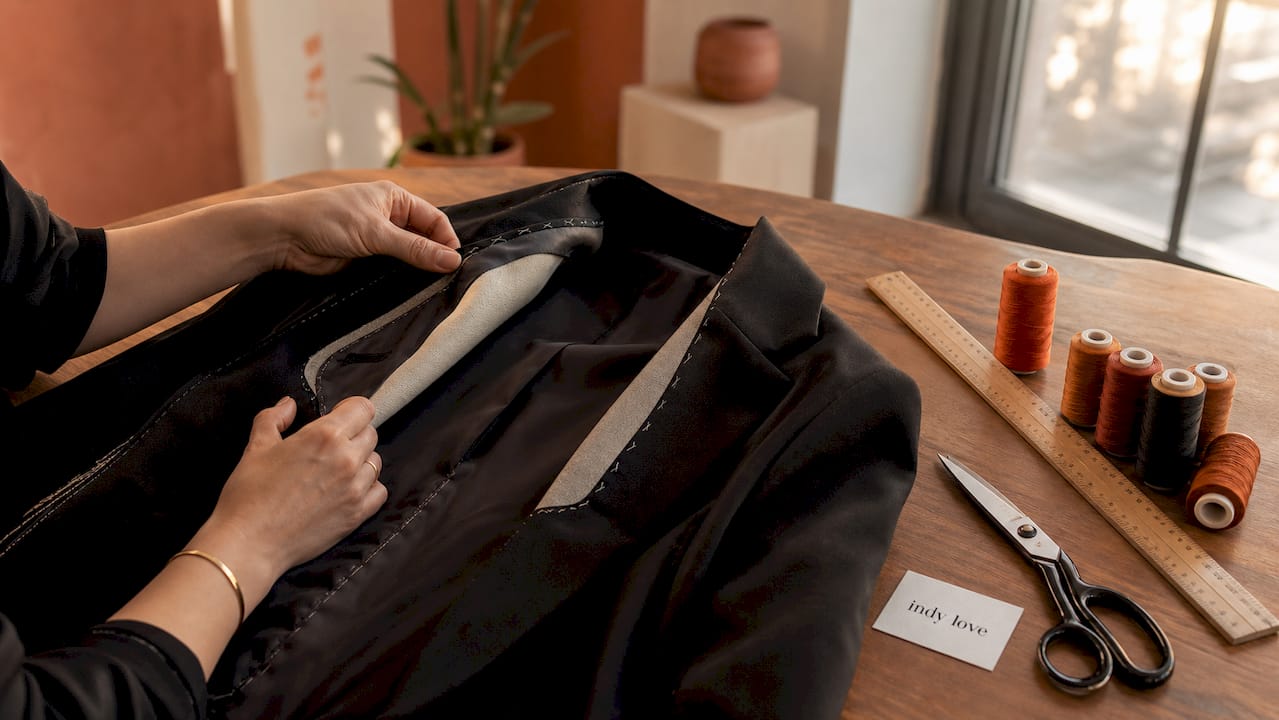
Design details matter just as much as fabric choice. A structured blazer with a stretch lining, for example, looks entirely professional but allows full range of motion. Trousers with a concealed elasticated waistband offer comfort without the visual casualness of a drawstring.
Pro Tip: When shopping for functional pieces, turn the garment inside out before buying. Reinforced seams, bonded hems, and quality lining are the clearest signs of genuine construction quality, not just marketing language.
The contrast with purely aesthetic fashion is stark. A delicate chiffon blouse may photograph beautifully but offers no temperature regulation, no durability, and no structural support. Functional fashion asks: what does this garment do for your body, not just for your image?
How does functional fashion differ from traditional aesthetic fashion?
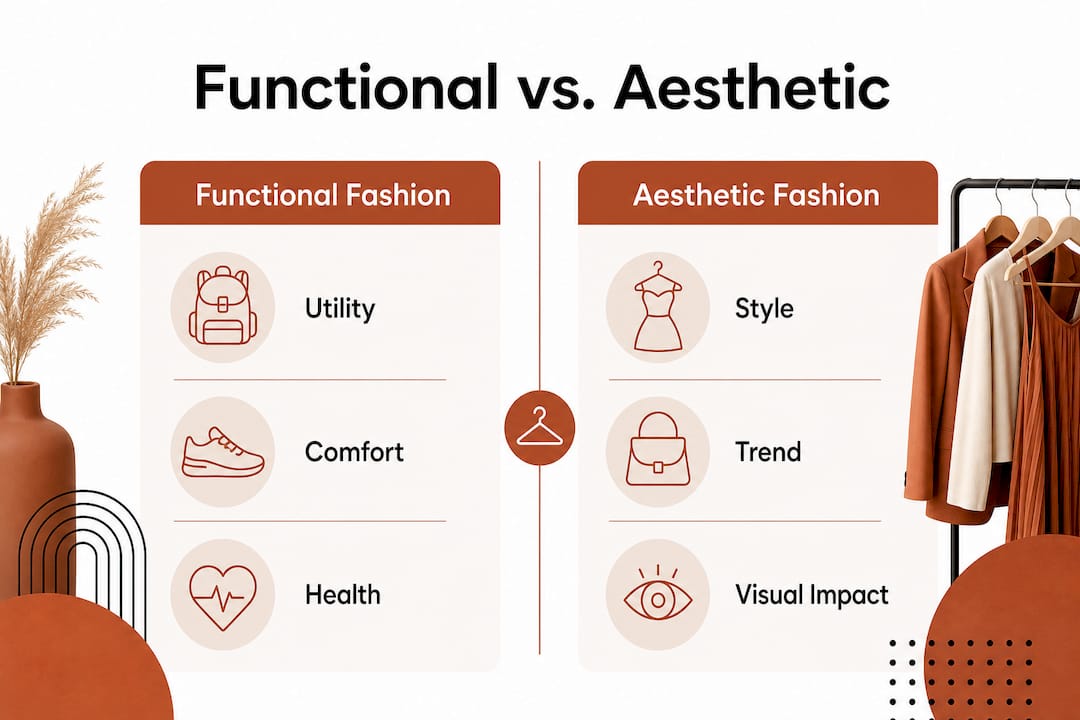
The core difference between functional and purely aesthetic fashion comes down to priorities. Aesthetic fashion leads with appearance. Functional fashion leads with utility, then builds style around it.
| Feature | Functional fashion | Aesthetic fashion |
|---|---|---|
| Primary goal | Utility, comfort, and health support | Visual appeal and trend alignment |
| Fabric choice | Technical, durable, performance-driven | Trend-led, often delicate or decorative |
| Garment lifespan | Designed for longevity, often 10+ years | Seasonal, replaced frequently |
| Cost approach | Higher upfront, lower cost-per-wear | Lower upfront, higher replacement cost |
| Design details | Hidden features, reinforced construction | Decorative elements, visual-first cuts |
| Consumer mindset | Investment in wearability | Expression of current trend |
Functional garments prioritise cost-per-wear, with repair-friendly construction enabling a lifespan of over 10 years. That changes the economics of getting dressed entirely. A $200 functional jacket worn 300 times costs less per wear than a $60 trend piece worn 10 times before it falls apart or goes out of style.
The consumer mindset behind functional fashion also differs. Aesthetic fashion shoppers often ask, “Does this look good right now?” Functional fashion shoppers ask, “Will this still serve me in three years?” That shift in thinking reflects broader changes in Australian consumer values around sustainability and clothing longevity.
Crucially, functional fashion successfully blends style and utility by integrating performance features with clean aesthetics. The misconception that functionality sacrifices style is outdated. The best functional pieces are indistinguishable from purely aesthetic ones at first glance. The difference only becomes apparent when you wear them.
What are the benefits of wearing functional fashion every day?
The benefits of functional fashion extend well beyond comfort. They touch health, confidence, finances, and professional presentation.
Health and physical support are the most direct advantages. Garments with structured waistbands support posture during long desk days. Temperature-regulating fabrics reduce overheating on commutes or during outdoor meetings. These are not minor conveniences. Poor posture and thermal discomfort are genuine contributors to fatigue and reduced focus at work.
Ease of movement changes how you carry yourself. When your clothing does not restrict you, you move more naturally and confidently. A modern wardrobe with functional garments can enhance confidence by providing comfort and utility without sacrificing professional aesthetics. Confidence is not just a feeling. It shows in how you walk into a room.
The everyday benefits include:
- Versatility across settings: One well-chosen functional piece can move from a morning meeting to an afternoon errand run without a wardrobe change
- Reduced decision fatigue: Garments that work across multiple contexts simplify your daily routine
- Long-term cost savings: Durable, repair-friendly construction means fewer replacements and less waste
- Comfort without compromise: Hidden stretch panels, breathable linings, and ergonomic cuts deliver all-day wearability in professional silhouettes
- Sustainability: True functional fashion embraces longevity through durability and repairability, directly reducing fast-fashion waste
Pro Tip: Build your functional wardrobe around three anchor pieces first: a structured blazer with stretch lining, a high-waist trouser with hidden elastic, and a breathable midi dress. These three items cover most professional and social occasions while delivering genuine physical comfort.
For professionals, the benefits are especially clear. You can look polished for a client presentation in the morning and still feel comfortable after a full day of back-to-back meetings. That is not a small thing. It is the difference between performing well and just getting through the day.
How to style functional fashion in your wardrobe
Styling functional fashion well is about concealment and balance. The goal is to look like you are wearing a stylish outfit, not a technical kit. Follow these steps to get it right.
-
Start with neutral, structured silhouettes. Selecting neutral structured silhouettes with hidden functional elements maintains professionalism while delivering utility. Black, navy, camel, and stone are your foundation colours. They read as polished and pair with almost everything in your existing wardrobe.
-
Conceal the technical details. Choose pieces where the functional features are built in rather than displayed. A trouser with a hidden elasticated waist looks identical to a tailored pant from the outside. A blazer with a stretch back panel looks like a standard structured jacket. The function is invisible. The style is not.
-
Apply the “whole set” principle. Pairing functional bottoms with elevated tops or layering pieces creates easy transitions from gym to social or work settings. A sleek functional legging paired with an oversized linen blazer and loafers reads as intentional and chic, not sporty.
-
Mix functional pieces with traditional wardrobe staples. You do not need to replace your entire wardrobe. Slot one or two functional pieces into existing outfits. A breathable structured shirt works with your favourite tailored trousers. A moisture-wicking cami layers under a classic blazer without adding bulk.
-
Avoid head-to-toe technical looks. Wearing multiple overtly technical pieces together creates a sporty or outdoorsy impression that can undercut a professional or social look. Industry leaders advise prioritising “utility first” while maintaining style suited to professional and social settings. One functional hero piece per outfit is usually enough.
-
Use accessories to anchor the look. A structured bag, a pair of clean leather shoes, or a simple gold necklace pulls a functional outfit firmly into fashion territory. Accessories signal intention and elevate even the most casual functional pieces.
For more styling inspiration tailored to the Australian climate and lifestyle, the Indy Love fashion tips blog covers practical advice for building a wardrobe that works across every occasion. You can also explore how functional principles apply directly to the office with this guide on contemporary workwear style.
Key takeaways
Functional fashion is the most practical investment you can make in your wardrobe, delivering health support, long-term cost savings, and genuine style without compromise.
| Point | Details |
|---|---|
| Core definition | Functional fashion integrates health, utility, and performance features directly into stylish garments. |
| Key materials | Technical fabrics like moisture-wicking textiles, ripstop nylon, and breathable natural fibres define functional pieces. |
| Cost-per-wear advantage | Repair-friendly construction extends garment lifespan to over 10 years, lowering the true cost of each wear. |
| Styling principle | Conceal technical features in neutral silhouettes and pair functional pieces with traditional wardrobe staples. |
| Everyday benefit | Functional garments support posture, regulate temperature, and boost confidence across professional and social settings. |
Why I think functional fashion is the most underrated wardrobe shift you can make
Most fashion conversations focus on what is trending this season. I find that framing exhausting and, frankly, expensive. After years of watching wardrobes fill up with pieces that look great in the shop and fall apart within 18 months, I have become genuinely convinced that functional fashion is not a niche category. It is the smarter way to dress.
The sustainability angle is real, but it is not the most compelling argument for most people. The compelling argument is this: you will feel better every single day. When your clothes support your posture, breathe with your body, and move with you rather than against you, the physical difference is immediate. That is not marketing. That is physiology.
What I find most interesting about the current moment in Australian fashion is that the aesthetic gap between functional and purely decorative clothing has almost closed. The functional fashion for everyday pieces available now look indistinguishable from high-end aesthetic fashion. You are no longer choosing between looking good and feeling good. That trade-off is gone.
My one caution: do not let the “utility first” principle become an excuse to dress boringly. The best functional wardrobes I have seen are still deeply personal and stylish. The function is the foundation. The style is still yours to build on top of it.
— Helen
Chic and functional: shop the Indy Love collection
Indy Love curates women’s fashion that proves style and practicality belong together. The collection spans versatile everyday pieces and polished occasion wear, all chosen with the modern Australian woman in mind.
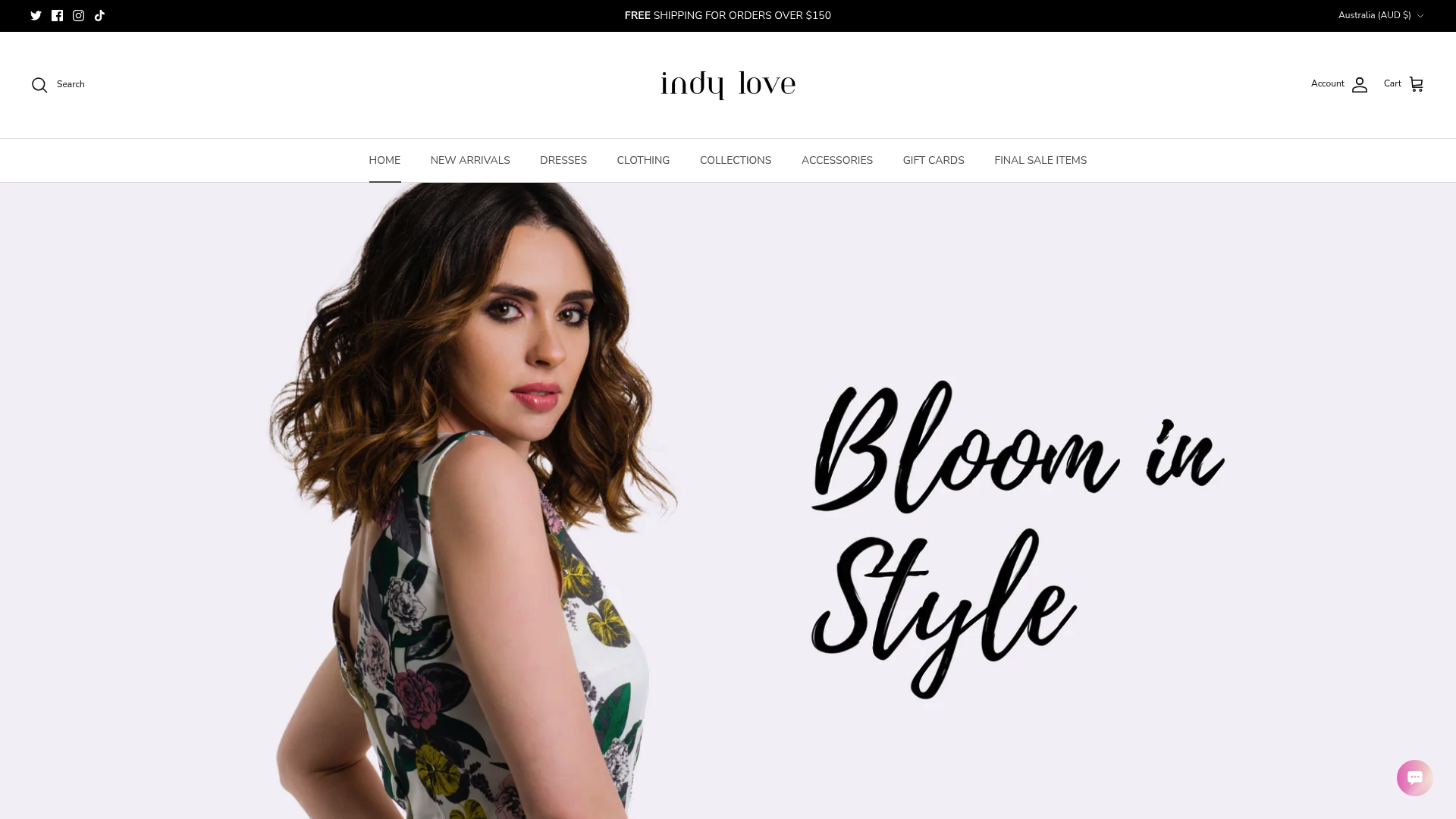
Whether you are building a functional wardrobe from scratch or adding a few key pieces to what you already own, Indy Love makes it easy to shop with confidence. Browse the full range of women’s fashion online and find pieces that look stunning and work hard for you. With free shipping on orders over $150 and fast delivery across Australia, your next wardrobe upgrade is closer than you think.
FAQ
What is the functional fashion definition in simple terms?
Functional fashion is clothing designed to deliver health, comfort, or performance benefits alongside stylish aesthetics, rather than prioritising appearance alone.
What makes a garment count as functional fashion?
A garment qualifies as functional fashion when it includes performance features like moisture-wicking fabric, reinforced stitching, modular design, or posture support built into a stylish silhouette.
What are the main benefits of functional fashion for everyday wear?
The main benefits include improved physical comfort, posture support, temperature regulation, versatility across settings, and long-term cost savings through durable, repair-friendly construction.
How does functional fashion differ from activewear?
Activewear is designed primarily for sport and exercise. Functional fashion applies performance principles to everyday and professional clothing, so the pieces look polished in social and work settings, not just at the gym.
How do I style functional fashion without looking too sporty?
Choose neutral structured silhouettes with concealed technical features, pair functional bottoms with elevated tops like blazers or linen shirts, and anchor the look with traditional accessories like leather shoes or a structured bag.