
Fashion subscription vs boutique: which suits your style?
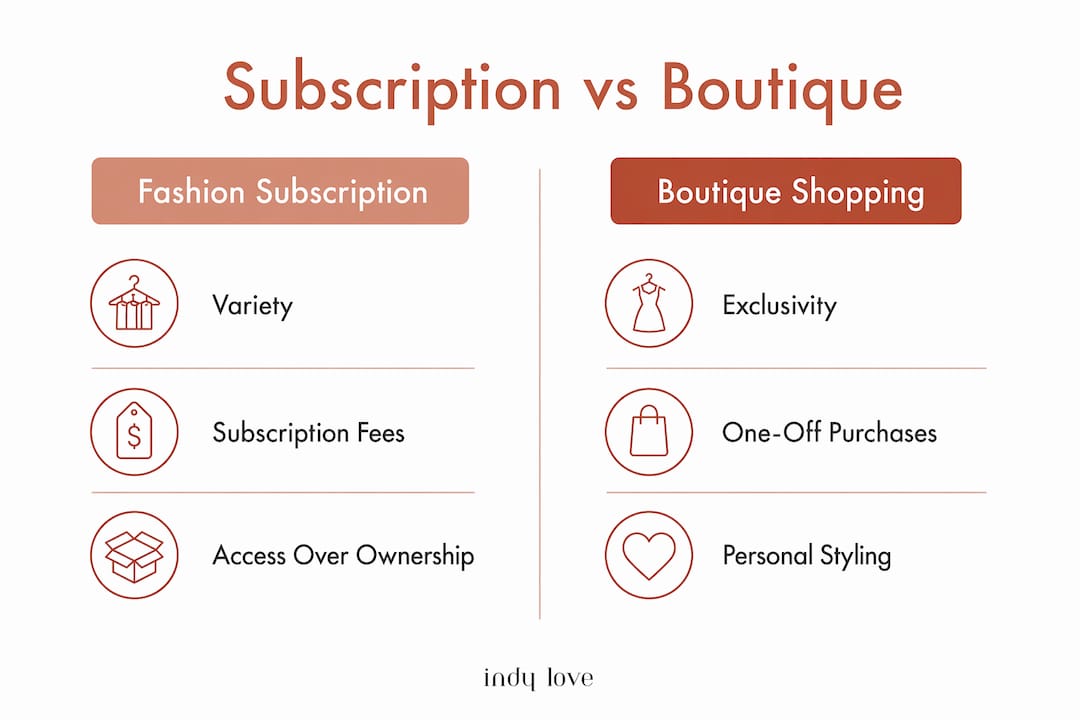
Fashion subscription services are defined as recurring, curated wardrobe deliveries sent to your door on a monthly or seasonal basis, while boutiques are personalised retail spaces offering exclusive, handpicked clothing with one-on-one styling attention. Understanding what is fashion subscription vs boutique comes down to one core difference: access versus ownership. Subscriptions give you variety and convenience through a membership model. Boutiques give you exclusivity, craftsmanship, and a shopping experience built around you. Both models have real strengths, and the right choice depends entirely on your wardrobe goals, budget, and lifestyle.
What is fashion subscription vs boutique, and how do they differ?
Fashion subscription services operate on a membership model. You pay a recurring fee, answer a style quiz, and receive a curated selection of clothing chosen by a stylist or algorithm. Plans range from rental boxes to full ownership, with pricing typically sitting between $45 and $276 per month. That wide range reflects the difference between basic rental plans and premium styling services with higher item volumes.
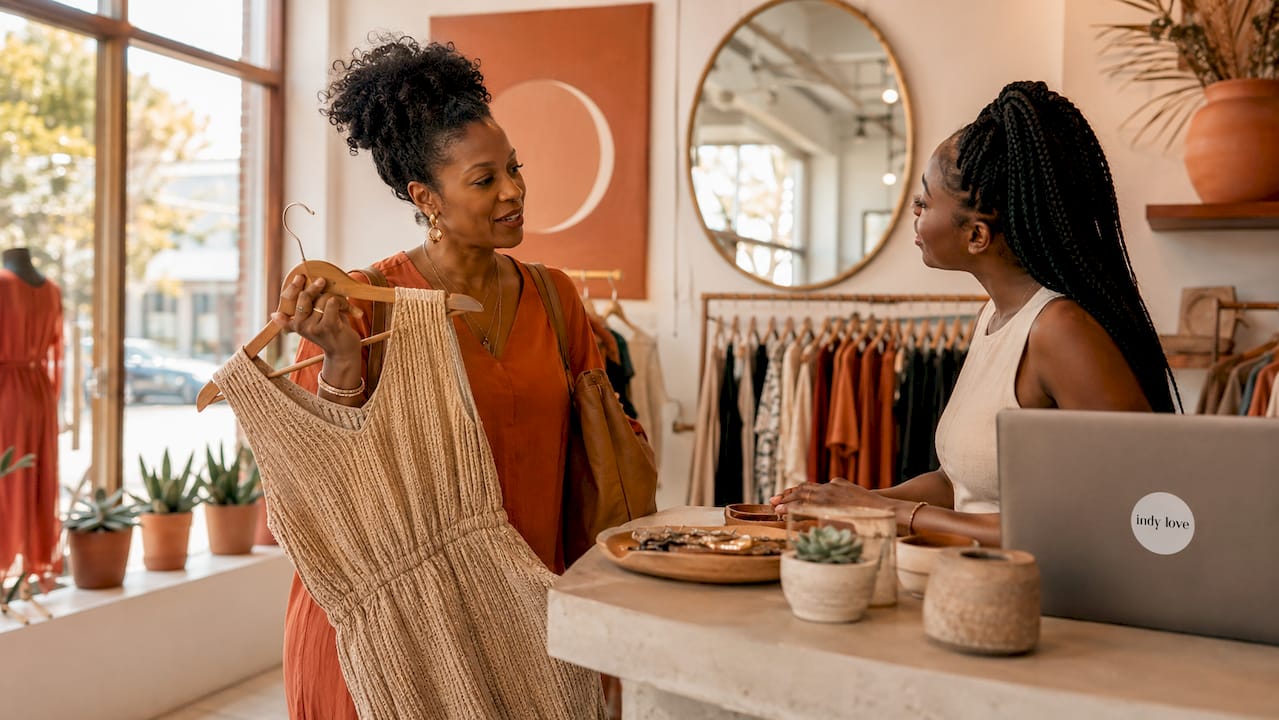
Boutiques work differently. A boutique shopping experience is built on limited-run inventory, personal styling, and a curated atmosphere you cannot replicate online or in a department store. Stock is intentionally small. Every piece is handpicked. The price points are higher, but they reflect quality, exclusivity, and the time a skilled stylist invests in understanding your taste.
The difference between subscription and boutique is not just logistical. It reflects two entirely different relationships with fashion. Subscriptions treat your wardrobe as a rotating resource. Boutiques treat each purchase as a considered, lasting investment.
What are the benefits of fashion subscriptions for variety and convenience?
Fashion subscription services suit women who want a full wardrobe refresh without the effort of shopping. The core appeal is convenience: clothing arrives at your door, styled for you, ready to wear. Most services include free returns and prepaid postage, and rental plans often cover dry cleaning too.
The four main subscription models are:
- Curated styling boxes — a stylist selects items based on your profile, and you keep what you love
- Rental subscriptions — you borrow a set number of pieces per month and return them before the next delivery
- Replenishment models — basics like activewear or underwear are sent automatically on a schedule
- Membership access — you pay a fee for discounted pricing or early access to new stock
Variety is a genuine strength here. Subscribers can experiment with trends, silhouettes, and colours without committing to a purchase. This is especially useful if your style is still evolving or your wardrobe needs change with the seasons.
Sustainability is another draw. The access-over-ownership model reduces the number of garments produced and discarded. Renting rather than buying means fewer impulse purchases sitting unworn in your wardrobe.
That said, subscription churn rates average 10–15% monthly, driven by consumer hesitation over complexity and unclear value. The services that retain customers longest are the ones that make personalisation feel genuinely accurate.
Pro Tip: Rate every item you receive and explain exactly why something did or did not work. Active subscriber feedback produces far more accurate future selections than passive use.
What kind of experience and style variety do boutiques offer?
Boutique shopping is intentional by design. You are not browsing thousands of options. You are walking into a space where every piece has been chosen with care, and a stylist is there to help you find what works for your body, your lifestyle, and your personal aesthetic.
The hallmarks of a strong boutique experience include:
- One-on-one styling with staff who learn your preferences over time
- Limited-run inventory that you will not find in chain stores or on mass-market platforms
- Handpicked collections that reflect a clear, consistent aesthetic point of view
- A curated atmosphere that makes shopping feel like an event rather than a chore
“Boutiques emphasise intentionality. It is not just about purchasing, but participating in a curated, personalised atmosphere.” — Trendsi Blog
Higher price points are standard in boutiques, and they are justified. You are paying for craftsmanship, exclusivity, and the expertise of a stylist who genuinely knows their stock. A boutique piece is rarely a throwaway purchase. It is something you wear repeatedly because it fits well and feels right.
The social dimension of boutique shopping is underrated. Browsing with a friend, getting honest feedback from a stylist, and discovering a piece you never would have searched for online are experiences that subscriptions simply cannot replicate. For women who find shopping energising rather than exhausting, boutiques deliver something subscriptions never will: the thrill of discovery in person.
Boutique staff can also access pre-arrival items and offer styling advice that goes well beyond what is on the floor. Building a relationship with your local boutique team, especially during quieter trading hours, opens up access that casual shoppers never receive.
How do cost and wardrobe control compare between the two models?
Cost is where the comparison of clothing subscriptions and boutique shopping gets genuinely complex. The subscription fee looks straightforward on paper, but the true cost is often higher than it appears.
| Factor | Fashion subscriptions | Boutique shopping |
|---|---|---|
| Upfront cost | $45–$276/month recurring | One-off purchase per item |
| Ownership | Rental or keep-what-you-buy | Full ownership always |
| Hidden costs | Accumulation, pausing fees, return logistics | Nil beyond purchase price |
| Wardrobe control | Dependent on return discipline | Complete control |
| Exclusivity | Low to moderate | High |
Hidden costs in subscriptions include the difficulty of pausing or cancelling services, the accumulation of items you did not love but kept anyway, and the logistical effort of returning pieces on time. Women who are not disciplined about returns can find their wardrobe filling with mediocre pieces they paid full price to keep.
Boutique purchases are one-off investments. You pay once, you own the piece outright, and there are no recurring charges. The higher per-item price reflects quality and exclusivity, but it also means you are less likely to buy something you do not genuinely love. That intentionality reduces wardrobe clutter over time.
Understanding what boutique quality means helps you assess whether the price premium is worth it for each piece. In most cases, a well-made boutique garment outlasts several cheaper subscription items.
Pro Tip: Set a monthly fashion budget and split it deliberately. Allocate a fixed amount for subscription fees and a separate amount for boutique purchases. Treating them as separate budget lines stops subscription costs from quietly crowding out the pieces you actually want to own.
Which lifestyle and wardrobe needs suit each model best?
The right model depends on what you actually want from your wardrobe, not what sounds appealing in theory.
-
Choose a fashion subscription if you: want regular wardrobe variety without shopping effort, enjoy experimenting with trends before committing to a purchase, travel frequently and need a rotating wardrobe, or prioritise sustainability through access-over-ownership.
-
Choose boutique shopping if you: value exclusive, limited-run pieces that reflect your individual style, enjoy the social and sensory experience of in-person shopping, want to build a considered wardrobe of quality investment pieces, or prefer a relationship with a stylist who knows your taste.
-
Consider a hybrid approach if you: use a subscription for everyday basics and trend experimentation, then visit boutiques for statement pieces and special occasion dressing.
Industry analysis confirms that subscriptions suit convenience-focused shoppers, while boutiques attract women who treat fashion as intentional discovery rather than routine replenishment. Neither model is universally better. They serve genuinely different priorities.
Consumers consistently underestimate the effort required to manage subscriptions well. Returning items, tracking billing cycles, and updating style profiles all take time. Women who do not engage actively with their subscription tend to feel dissatisfied and cancel within a few months. Boutique shopping, by contrast, requires no ongoing management after purchase.
Boutique loyalty also compounds over time. Regular customers at a boutique gain access to new arrivals before they hit the floor, receive styling advice tailored to their existing wardrobe, and build a relationship that makes every visit more productive. That kind of boutique relationship building is an asset subscriptions cannot offer.
Key takeaways
Fashion subscription services and boutiques serve fundamentally different wardrobe needs, and choosing between them requires honest clarity about your lifestyle, budget, and relationship with fashion.
| Point | Details |
|---|---|
| Core difference | Subscriptions offer access and variety; boutiques offer ownership, exclusivity, and personal styling. |
| Subscription cost range | Plans run from $45 to $276 per month, with hidden costs if return discipline is low. |
| Boutique value | Higher per-item prices reflect craftsmanship, limited stock, and one-on-one styling expertise. |
| Engagement matters | Active feedback in subscriptions and relationship-building in boutiques both improve outcomes significantly. |
| Hybrid approach | Using subscriptions for basics and boutiques for statement pieces maximises variety and wardrobe quality. |
My honest take on subscriptions versus boutiques
I have watched women sign up for fashion subscriptions with genuine excitement, only to cancel within three months because the boxes felt generic. The problem is almost never the service itself. It is the gap between what customers expect and what passive use actually delivers. Subscriptions reward engagement. If you are not rating items, updating your profile, and communicating clearly about fit, the algorithm has nothing to work with.
Boutiques, on the other hand, reward loyalty in a way that subscriptions simply cannot match. The first time you walk into a boutique, you are a stranger. By the fifth visit, a good stylist knows your size, your lifestyle, and the colours that work for your skin tone. That knowledge has real monetary value. It saves you from buying things that look good on a hanger but wrong on you.
The pitfall I see most often is treating these models as mutually exclusive. They are not. A subscription handles your everyday wardrobe rotation while a boutique handles the pieces that actually define your style. The women with the most interesting wardrobes I know use both, deliberately and with a clear budget for each.
My honest recommendation: if you have never tried a boutique, start there. The experience of being genuinely styled, rather than algorithmically matched, changes how you think about your wardrobe. Once you know what you actually love, a subscription becomes a useful supplement rather than a substitute for real style.
— Helen
Indy Love Boutique: curated style worth owning
Indy Love is an Australian online boutique built for women who want chic, trendy clothing without the department store price tag. Every piece in the collection is handpicked for quality, wearability, and style, covering everything from casual weekend looks to stunning special occasion dresses.
Indy Love ships fast across Australia, with free shipping on orders over $150. The range is deliberately curated and regularly refreshed, so you will always find something new without wading through thousands of options. If you are ready to build a wardrobe of pieces you genuinely love, shop the full collection at Indy Love and see what boutique curation looks like when it is done right.
FAQ
What is the main difference between a fashion subscription and a boutique?
A fashion subscription delivers curated clothing on a recurring fee basis, prioritising convenience and variety. A boutique offers a personalised, in-person or online shopping experience with exclusive, handpicked pieces and one-on-one styling.
How much do fashion subscription services typically cost?
Subscription pricing ranges from $45 to $276 per month, depending on the number of items and whether the model is rental or purchase-to-keep.
Are boutiques more expensive than fashion subscriptions?
Boutiques charge more per item, but there are no recurring fees and no hidden return logistics costs. Subscriptions can accumulate unexpected costs if items are kept without intention or if pausing the service is difficult.
Can I use both a fashion subscription and a boutique?
A hybrid approach works well for many women. Use a subscription for everyday basics and trend experimentation, then visit a boutique for statement pieces and quality investment items that define your personal style.
What does limited stock mean in boutique shopping?
Limited stock in boutiques means inventory is intentionally small and not restocked once sold. This exclusivity is a feature, not a flaw. It means the pieces you buy are unlikely to appear on anyone else.